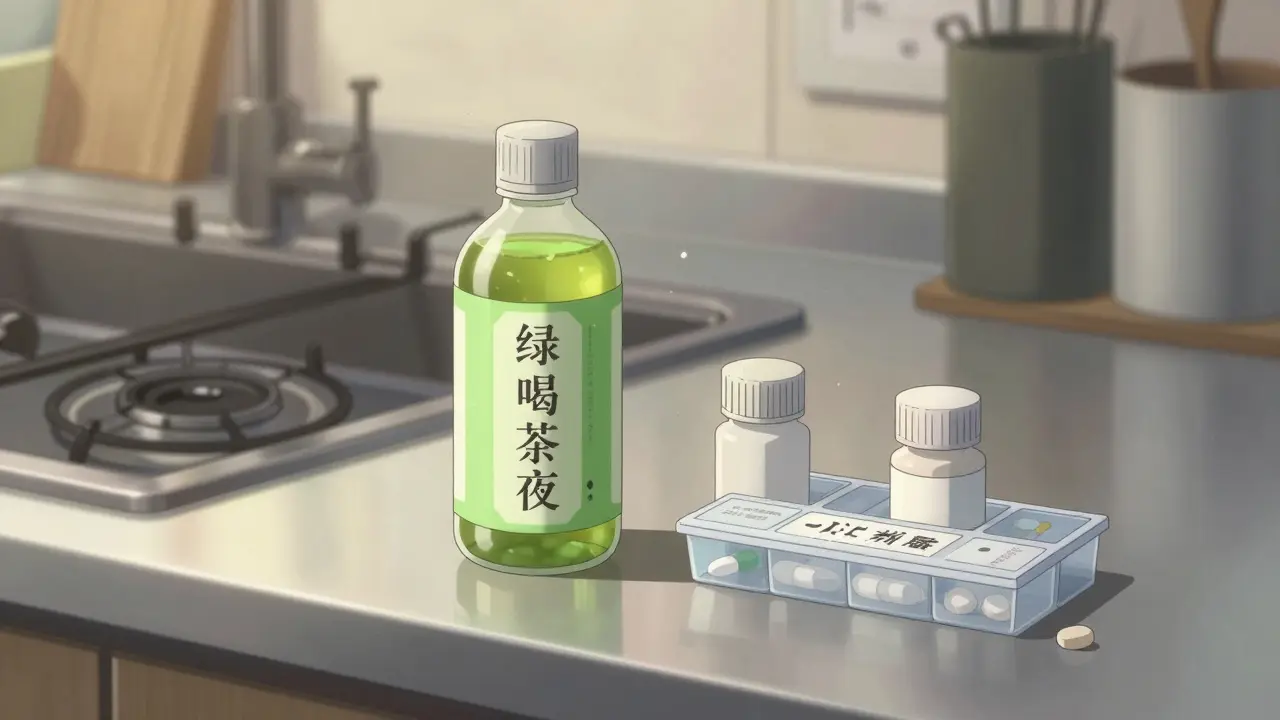
That bottle of green tea extract on your shelf probably looks harmless. It’s natural, it’s popular, and it promises antioxidants that help your heart and metabolism. But if you take prescription medications, that "natural" label might be hiding a serious risk. Green tea extract isn't just a mild beverage; in concentrated form, it is a potent biological agent that can drastically change how your body processes drugs.
Many people assume that because green tea comes from a plant, it is safe to mix with any medicine. This is a dangerous misconception. The active compounds in green tea extract-specifically epigallocatechin gallate (EGCG) and caffeine-can block the enzymes and transporters your liver uses to break down medications. When this happens, drugs can build up to toxic levels or fail to work entirely. Understanding these interactions is not just about avoiding bad side effects; it is about ensuring your life-saving treatments actually work.
The Mechanism: How Green Tea Extract Blocks Drug Metabolism
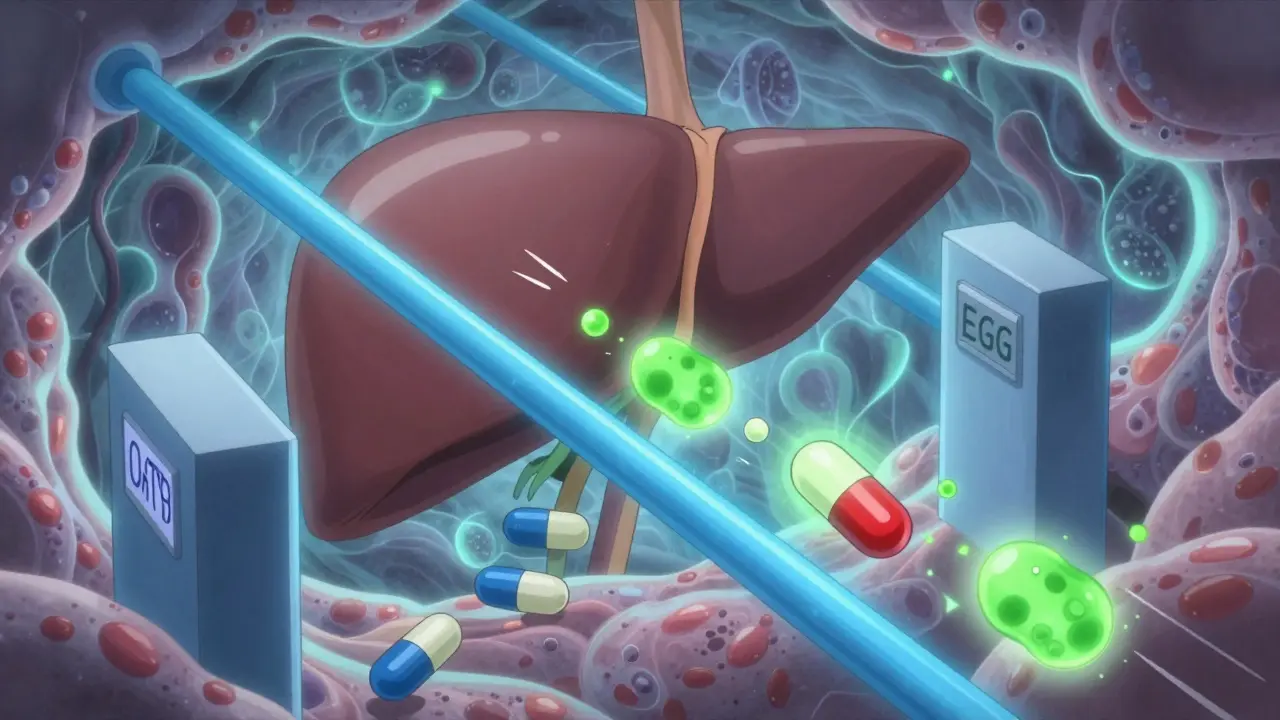
To understand why green tea extract is a concentrated dietary supplement derived from Camellia sinensis leaves containing high levels of catechins like EGCG and caffeine interacts with so many drugs, you need to look at what happens inside your liver. Your liver uses specific protein channels called organic anion-transporting polypeptides (OATPs) and enzymes like cytochrome P450 to process chemicals entering your bloodstream.
EGCG, the primary antioxidant in green tea, acts as a competitive inhibitor for these channels. Imagine your liver’s processing center is a busy highway toll booth. Medications are cars trying to get through. EGCG steps into the lane and blocks the gate. If the gate stays closed, the medication cannot enter the cells where it needs to work, or it cannot be cleared from your system efficiently. This leads to two opposite but equally dangerous outcomes:
- Reduced Efficacy: The drug never reaches its target concentration, rendering your treatment useless.
- Toxicity: The drug accumulates in your blood because it isn’t being broken down, leading to overdose symptoms even at normal doses.
This mechanism is distinct from brewed green tea. A cup of tea contains modest amounts of catechins. However, supplements often contain 250-500 mg of EGCG per capsule, which is 5 to 10 times the amount found in an 8-ounce cup of brewed tea. This concentration turns a mild dietary habit into a pharmacological event.
High-Risk Medications: The Most Dangerous Combinations
Not all drugs react the same way, but several classes of medication have documented, severe interactions with green tea extract. If you are taking any of the following, you need to speak with your doctor before adding this supplement to your routine.
| Medication Class | Specific Drugs | Interaction Effect | Clinical Impact |
|---|---|---|---|
| Beta-Blockers | Nadolol (Corgard) | Absorption decreased by ~83% | Fails to control blood pressure or heart rate |
| Statins | Atorvastatin (Lipitor), Rosuvastatin (Crestor) | Absorption/concentration changes up to 40% | Reduced cholesterol-lowering effect; potential muscle toxicity |
| Cancer Therapies | Bortezomib (Velcade), Imatinib (Gleevec) | EGCG binds directly to drug molecules | Up to 50% reduction in cancer treatment efficacy |
| Chemotherapy Agents | 5-Fluorouracil | Metabolism inhibited | Drug levels increase by 35-40%, raising toxicity risk |
| ACE Inhibitors | Lisinopril | Absorption decreased by ~25% | Uncontrolled hypertension |
| Anticoagulants | Warfarin (Coumadin), Dabigatran (Pradaxa) | Variable interference with clotting factors | Increased bleeding risk or reduced stroke prevention |
The interaction with Bortezomib is a proteasome inhibitor used to treat multiple myeloma and mantle cell lymphoma is particularly alarming. Studies published in the journal Blood show that EGCG binds directly to bortezomib, neutralizing its ability to kill cancer cells. Oncologists at MD Anderson Cancer Center reported a 15% treatment failure rate in patients who continued taking green tea supplements during therapy. For these patients, the supplement wasn't just ineffective; it was actively undermining their survival chances.
Cardiovascular Risks: Blood Pressure and Heart Rate
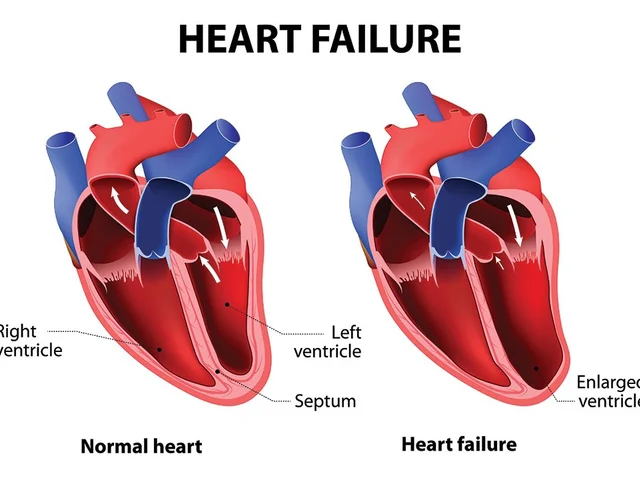
If you manage heart conditions, green tea extract presents a dual threat. First, there is the issue of absorption mentioned above. Second, there is the caffeine content. While a single cup of tea has about 30-50 mg of caffeine, extracts can vary wildly, and some products contain added caffeine for "energy boosting."
When combined with beta-agonists (like albuterol for asthma) or stimulant medications (like Adderall for ADHD), the caffeine in green tea extract can cause excessive cardiac stimulation. Case studies in the Journal of Clinical Pharmacy and Therapeutics document instances where this combination elevated heart rates by 20-30 beats per minute, leading to palpitations and anxiety. For patients already on beta-blockers to slow their heart rate, this creates a chaotic push-pull effect on the cardiovascular system.
Furthermore, the interaction with blood pressure meds like lisinopril means your dosage may no longer be sufficient. If your blood pressure spikes because the drug isn't absorbing properly, you face immediate risks of stroke or heart attack. This is why monitoring is non-negotiable if you choose to use both.
The "Natural Equals Safe" Myth and Regulatory Gaps
One of the biggest hurdles in managing these interactions is consumer perception. Many people believe that because a product is sold in a health food store rather than a pharmacy, it undergoes rigorous safety testing. This is false. Under the Dietary Supplement Health and Education Act (DSHEA) of 1994, the FDA does not require pre-market safety testing for supplements. Manufacturers do not need to prove their products are safe or effective before selling them.
This regulatory gap has real-world consequences. An FDA market survey found that only 38% of green tea extract brands provide adequate warnings about drug interactions. The FDA issued 17 warning letters to manufacturers in 2022 alone for inadequate labeling, yet compliance remains low. As a result, patients are often unaware they are mixing incompatible substances until adverse events occur.
The American College of Clinical Pharmacy has criticized this lack of transparency, noting that only 12% of products mention specific drug interactions despite known risks. This places the burden of research squarely on the consumer and their healthcare provider.
Mitigation Strategies: How to Stay Safe
You don’t necessarily have to give up green tea entirely, but you must manage it strategically. Here is a practical protocol to minimize risks:
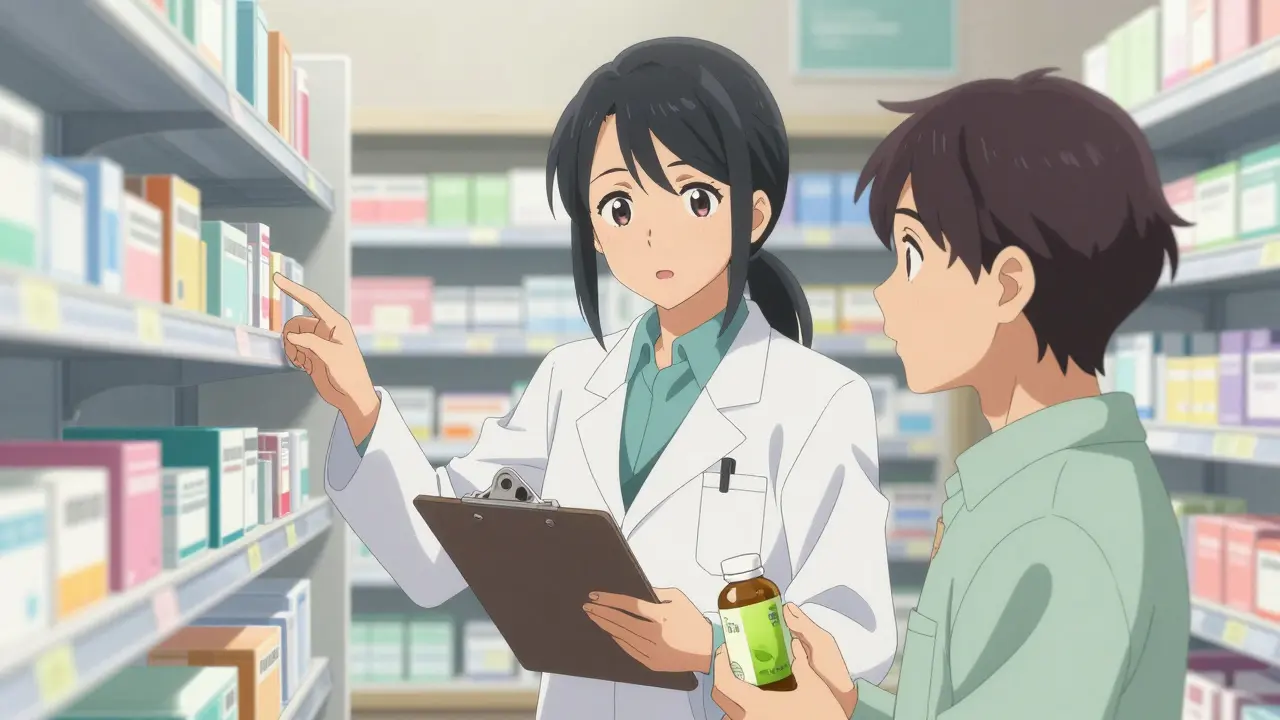
- Disclose Everything: During medication reconciliation, explicitly tell your doctor and pharmacist about every supplement you take, including green tea extract. Do not assume they know.
- Separate Timing: The University of California San Francisco Medical Center recommends a minimum 4-hour separation between consuming green tea extract and taking affected medications. This window can reduce interaction risk by approximately 60% by allowing peak concentrations of each substance to pass without overlapping significantly.
- Limit Dosage: If you are on moderate-risk medications, limit intake to ≤2 cups of brewed green tea daily (<100 mg caffeine). Avoid high-dose capsules (>300 mg EGCG) unless specifically approved by your oncologist or cardiologist.
- Avoid Specific Combos: Completely avoid green tea extract if you are taking bortezomib. The National Comprehensive Cancer Network guidelines list this as a strict contraindication due to the severity of treatment failure.
- Monitor Vital Signs: If you continue using the supplement, monitor your blood pressure, heart rate, and INR (if on warfarin) more frequently. Look for signs of reduced efficacy (e.g., higher blood pressure readings) or toxicity (e.g., unusual bruising, muscle pain).
Conclusion: Prioritize Evidence Over Hype
Green tea extract is a powerful compound with genuine antioxidant benefits, but it is not a benign snack. Its ability to inhibit drug transporters and bind to pharmaceutical agents makes it a significant player in pharmacokinetics. For the average person drinking a cup of tea, the risk is minimal. For the patient relying on narrow-therapeutic-index drugs like statins, anticoagulants, or chemotherapy agents, the risk is substantial.
The key is informed caution. Do not let marketing claims override medical evidence. Check labels, talk to your pharmacist, and remember that "natural" does not mean "inactive." Your health depends on the precise balance of your medications, and unverified supplements can tip that balance dangerously.
Can I drink regular brewed green tea if I take medication?
Generally, yes. Brewed green tea contains much lower concentrations of EGCG and caffeine compared to concentrated supplements. Most clinical guidelines suggest that 1-2 cups of brewed green tea daily pose a minimal risk for most medications. However, if you are on sensitive drugs like warfarin or nadolol, even brewed tea should be consumed consistently and monitored, as variability in intake can still affect drug levels.
How long does it take for green tea extract to leave your system?
The half-life of EGCG is relatively short, typically ranging from 3 to 6 hours. Caffeine has a longer half-life, averaging 3 to 5 hours in healthy adults but potentially longer in those with liver issues or who smoke. To minimize interactions, spacing out consumption by at least 4 hours from your medication allows most of the acute inhibitory effects to subside.
Why is the interaction with Bortezomib considered severe?
Unlike other interactions that merely affect absorption or metabolism, EGCG in green tea extract binds directly to the bortezomib molecule itself. This physical binding prevents the drug from interacting with its target (the proteasome) in cancer cells. Studies have shown this can reduce the drug's effectiveness by up to 50%, leading to higher rates of treatment failure in multiple myeloma patients.
Does green tea interact with birth control pills?
There is limited direct evidence suggesting green tea extract significantly reduces the efficacy of oral contraceptives. However, because it affects liver enzymes involved in hormone metabolism, theoretical risks exist. If you experience breakthrough bleeding or missed periods while taking high-dose green tea extract, consult your doctor. Standard brewed tea is generally considered safe.
What are the signs of a green tea-drug interaction?
Signs vary by medication but may include: return of symptoms the drug was supposed to control (e.g., higher blood pressure, increased cholesterol), unexpected side effects indicating toxicity (e.g., muscle pain from statins, excessive bleeding from anticoagulants), or heart palpitations and anxiety from combined stimulant effects. If you notice sudden changes in how your medication works after starting green tea extract, seek medical advice immediately.