
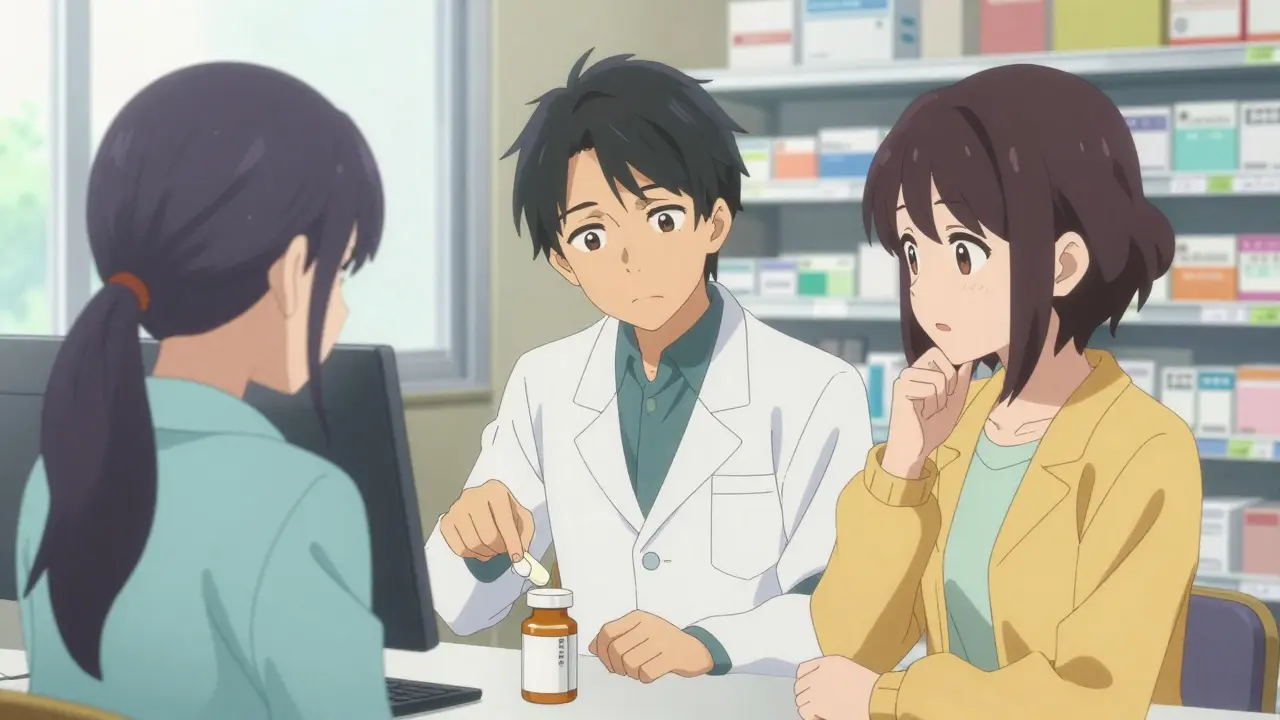
Medication Interaction Checker
Every year, over 1.3 million people in the U.S. get hurt because of medication errors. Many of these cases involve medication interactionsa critical aspect of pharmaceutical safety that occurs when two or more substances affect each other's efficacy or create adverse effects. According to the FDAthe U.S. Food and Drug Administration, drug interactions account for 6.7% of all adverse drug events reported in 2022. The real danger? Most of these problems could be avoided with a simple conversation with your pharmacist. Pharmacists are medication experts with advanced training, yet only 38.2% of patients receive thorough interaction counseling during prescription pickup. Here’s exactly what to ask to keep yourself safe.
Why medication interactions happen more often than you think
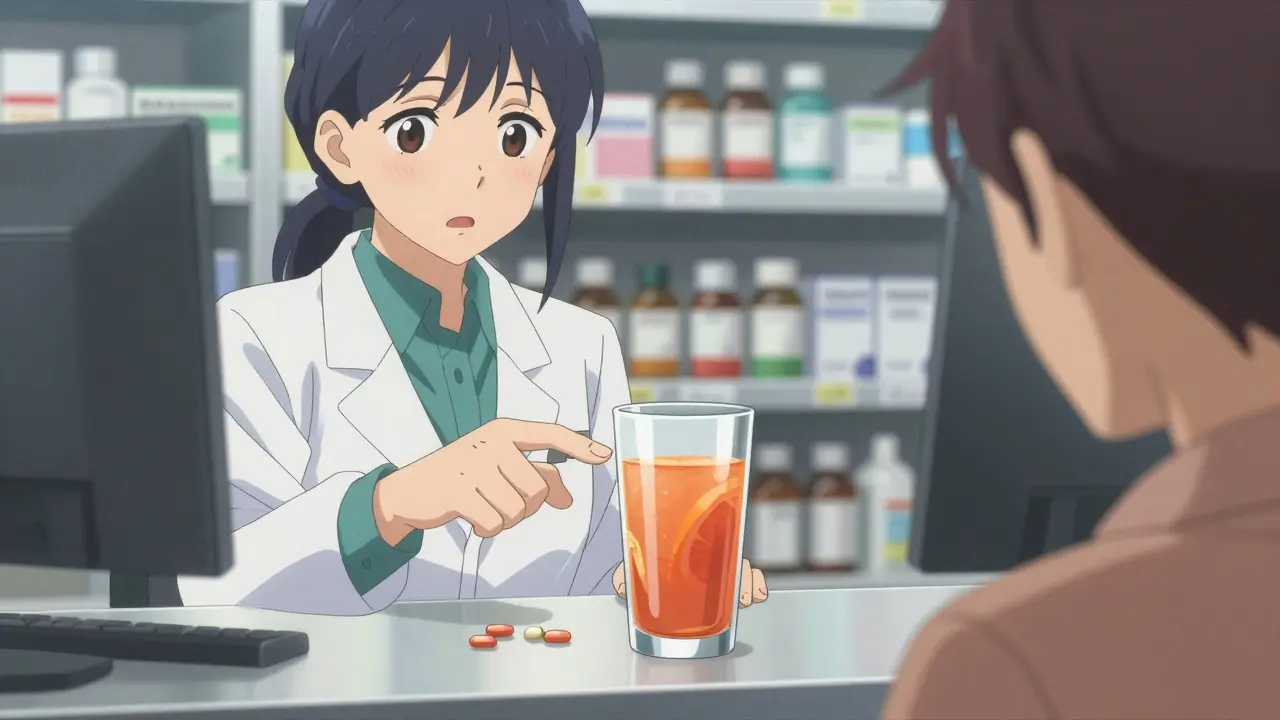
Medication interactions aren’t just rare accidents-they’re common and dangerous. Take warfarina blood thinner commonly used to prevent strokes, for example. A University of Utah Health study found 37.4% of patients on warfarin didn’t know cranberry juice could dangerously increase bleeding risk. Or consider grapefruit juice: it inhibits the CYP3A4 enzyme in your liver, affecting 85 prescription medications. Statins like atorvastatin can see blood levels spike by up to 1500% when taken with grapefruit juice. Even common OTC painkillers like ibuprofen can interact with blood pressure medications, making them less effective. These aren’t hypothetical risks-they happen every day.
Drug interactions fall into four main types. drug-drug interactionswhen two prescription medications affect each other include dangerous combinations like SSRIs (e.g., fluoxetine) with MAOIs, which can cause serotonin syndrome. The FDA reported 1,247 serotonin syndrome cases in 2021. drug-supplement interactionswhen vitamins or herbal products interfere with medication are especially tricky. For instance, calcium supplements reduce levothyroxine absorption by 30-50% if taken at the same time. drug-food interactionslike grapefruit juice affecting medications are widespread, while drug-beverage interactionssuch as alcohol with metronidazole can cause severe reactions like vomiting or rapid heartbeat. The National Institute on Alcohol Abuse and Alcoholism reports 42.3% of adults take medications that interact with alcohol.
Top 5 questions to ask your pharmacist
When picking up a new prescription, ask these specific questions to avoid hidden risks:
- "Does my medication interact with other medicines, supplements, or foods?" Pharmacists check for interactions between prescriptions, OTC drugs, vitamins, and herbal products. For example, the antibiotic rifampin makes birth control less effective. Your pharmacist can recommend backup methods.
- "Are there specific foods or drinks I should avoid?" Grapefruit juice affects many medications, but so do other common items. Antacids like Tums can interfere with Hepatitis C treatments, and dairy products reduce absorption of certain antibiotics. Always ask for details.
- "What side effects should I watch for, and when should I call you?" Some interactions cause serious symptoms. For instance, mixing warfarin with certain supplements can cause uncontrolled bleeding. Your pharmacist can tell you exactly what signs to look for and when to seek help.
- "How should I take this medication to avoid interactions?" Timing matters. Taking levothyroxine 4 hours apart from calcium supplements prevents absorption issues. Some medications need to be taken with food to reduce stomach upset, while others must be taken on an empty stomach.
- "Will this medication interact with my existing health conditions?" High blood pressure, kidney disease, or diabetes can change how medications work. A pharmacist at Brown University Health Pharmacy once caught that a patient’s new antibiotic would interact with their diabetes medication, preventing dangerous blood sugar swings.
How to prepare for your pharmacy visit
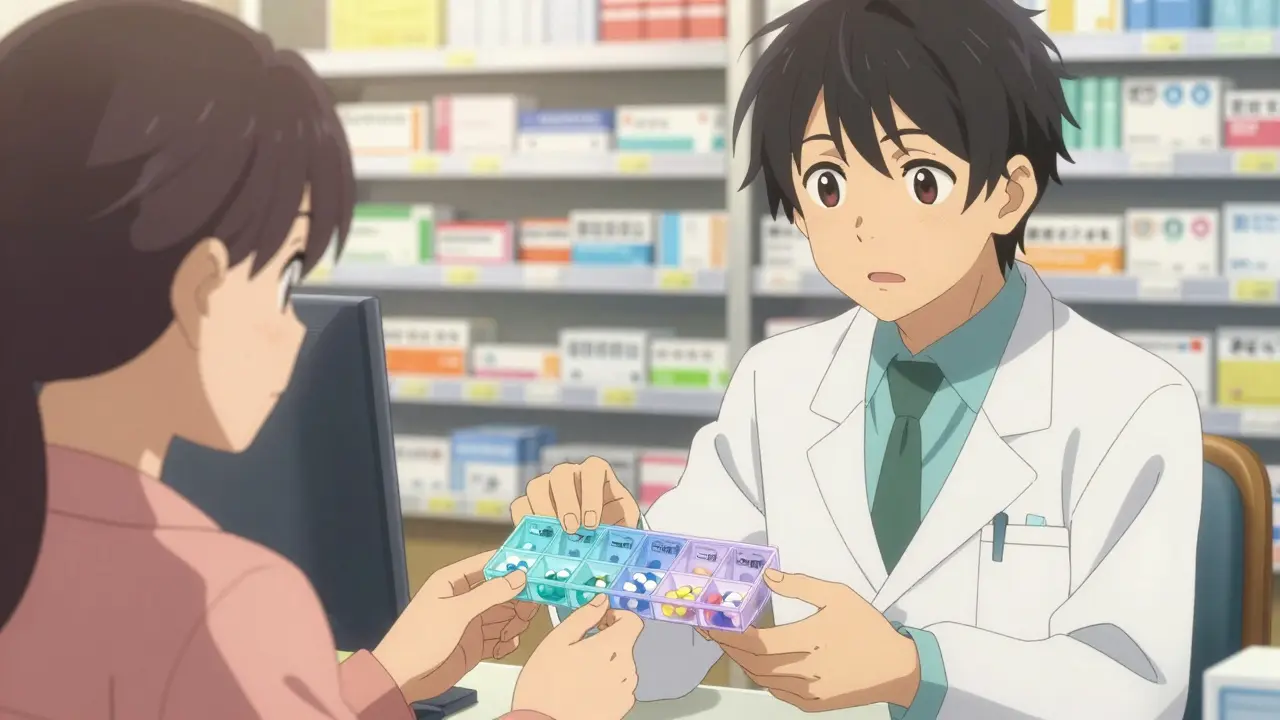
Don’t wait until you’re at the counter to think about interactions. Bring a complete list of everything you take: prescription drugs, OTC meds (like aspirin or allergy pills), vitamins, and supplements. Include exact dosages and how often you take them. The FDA recommends reviewing this list quarterly. If you use a pill organizer, bring it with you-pharmacists can spot patterns like taking two medications at the same time that shouldn’t be mixed.
Also, mention any recent changes. Did you start a new supplement? Start exercising more? Change your diet? These details matter. For example, if you’ve begun eating more leafy greens (which contain vitamin K), your warfarin dose might need adjustment. Your pharmacist can’t help if they don’t know the full picture. A 2023 Healthgrades analysis showed 28.4% of negative reviews cited pharmacists not asking about other medications-so be proactive.
What to do if you experience side effects
If you feel unusual symptoms after starting a new medication, don’t ignore them. Call your pharmacist immediately. They can tell you if it’s a known interaction or if you need emergency care. For example, if you take metronidazole and drink alcohol, you might experience severe nausea or a racing heart. The FDA’s MedWatch program now lets you report these directly through a mobile app-12,437 interaction reports came in via this channel in its first six months.
Keep a symptom journal. Note the time, what you took, and how you felt. This helps your pharmacist identify patterns. A Reddit user in r/pharmacy shared that their pharmacist caught a dangerous interaction between simvastatin and grapefruit juice after they reported muscle pain. Without this documentation, the issue might have gone unnoticed until it caused serious harm.
Common mistakes to avoid
Many patients make simple errors that lead to interactions. One big mistake is assuming "natural" means safe. Herbal supplements like St. John’s Wort can make birth control, antidepressants, or blood thinners ineffective. The National Center for Complementary and Integrative Health reported a 23.7% year-over-year increase in herbal supplement use in 2022, with many users unaware of risks.
Another common error is not telling your pharmacist about OTC medications. People often think aspirin or antacids are harmless, but they can interact with prescriptions. For instance, taking aspirin with blood thinners increases bleeding risk. Also, never skip doses to "save" medication-this can cause dangerous fluctuations in drug levels. A University of Utah Health survey found only 24.6% of patients could correctly identify food interactions for their medications, showing how easy it is to overlook details.
What are the most common medication interactions?
The most common interactions involve blood thinners like warfarin with vitamin K-rich foods or supplements, statins with grapefruit juice, and antibiotics with birth control. For example, warfarin users who consume cranberry juice may experience uncontrolled bleeding, while grapefruit juice can spike statin levels by up to 1500%. Antibiotics like rifampin reduce birth control effectiveness by up to 50%.
Should I tell my pharmacist about over-the-counter medications?
Absolutely. OTC medications like painkillers, antacids, or allergy pills can interact with prescriptions. For instance, ibuprofen can reduce the effectiveness of blood pressure medications, and antacids can interfere with Hepatitis C treatments. Pharmacists need a full picture of everything you take to spot risks.
How do I know if my supplements interact with my prescription?
Always ask your pharmacist directly. Many supplements, like St. John’s Wort or calcium, can alter how medications work. For example, calcium supplements reduce levothyroxine absorption by 30-50% if taken together. Your pharmacist can check databases to confirm interactions and suggest timing adjustments or alternatives.
What if I miss a dose of my medication?
Don’t double up. Contact your pharmacist for guidance. Missing doses can cause dangerous fluctuations-like with blood pressure medications where skipping a dose might spike your blood pressure. For some drugs, like antibiotics, missing doses can lead to antibiotic resistance. Your pharmacist will advise based on the specific medication and how much time has passed.
Can pharmacists help with cost-related interaction risks?
Yes. Switching between brand-name and generic medications can sometimes change interaction risks. Pharmacists know about copay cards or assistance programs that might let you afford safer alternatives. For example, a generic blood thinner might interact differently than the brand name. Always discuss cost concerns-pharmacists often have solutions you didn’t know existed.


13 Comments
When I got my new blood pressure med, I didn't even think to ask about grapefruit juice. Now I always do.
It's scary how many people don't know about these risks. I think pharmacists should be more proactive in explaining this during prescriptions. Maybe a checklist or something.
Also, the part about calcium and levothyroxine is spot on. I take that and had no idea. Definitely something to discuss.
The stats here are eye-opening. 38.2% of patients not getting counseling is way too low. We need better education on this. Pharmacists are underutilized resources. Maybe if they had more time to talk, things would be better. I'll definitely ask my next time. It's all about being proactive.
Pharmacists are too busy to give proper counseling.
As a proud American, I know our pharmacists go above and beyond. They're trained to catch these interactions. The stats here are proof of how well we're doing. Other countries should learn from us. I've never had a bad experience at my local pharmacy. They always check everything thoroughly. It's a shame people complain about them. We should support our healthcare workers more.
Wait a second. What if the FDA and big pharma are hiding the real risks? They don't want you to know how dangerous these interactions are. They profit from people getting sick. This whole thing is a scam to sell more meds. The government is in cahoots with them. It's all a conspiracy.
I've had bad experiences with pharmacists. They always rush you. This post is just a feel-good story. Real life isn't like this. Most people can't afford to ask all these questions. It's a joke. They don't have time for you. Just take the meds and hope for the best.
The CYP3A4 enzyme inhibition is a critical factor in drug metabolism. For example, grapefruit juice's furanocoumarins irreversibly inhibit this enzyme, leading to increased bioavailability of substrates like statins. This can result in toxic levels. It's essential to understand these mechanisms to mitigate risks. Pharmacists are trained to identify these interactions. They should be consulted regularly.
Pharmacists are just selling pills! They don't care about you. Big Pharma controls everything. They want you sick so they can sell more drugs. This whole thing is a scam. Remember 9/11? Same thing happening here. The government is in cahoots with them. It's all a conspiracy. I've seen it with my own eyes. Don't trust them!
I can't believe how dangerous this is!!!!! My friend had a bad reaction, and it was all because of a simple interaction that wasn't checked!!!!! This needs to be fixed immediately!!!!
It's interesting how society overlooks the importance of pharmacist consultations. We rely on doctors for everything, but pharmacists are the real experts in drug interactions. Perhaps we need a cultural shift in how we view their role. It's not just about taking pills; it's about understanding the science behind them. They're the unsung heroes of healthcare.
This is great advice. Always ask questions. Your health is worth it.
I feel for people who have had bad experiences with interactions. It's scary how common it is. Always talk to your pharmacist. They can help.
This is so important! 🌟 Pharmacists are unsung heroes. In India, we also face these issues. Always check with them. 💯 Knowledge is power! 😊
This is great info! 😊 I always forget to ask about interactions. Gotta remember to do that next time. Thanks for sharing! 👍
Write a comment