
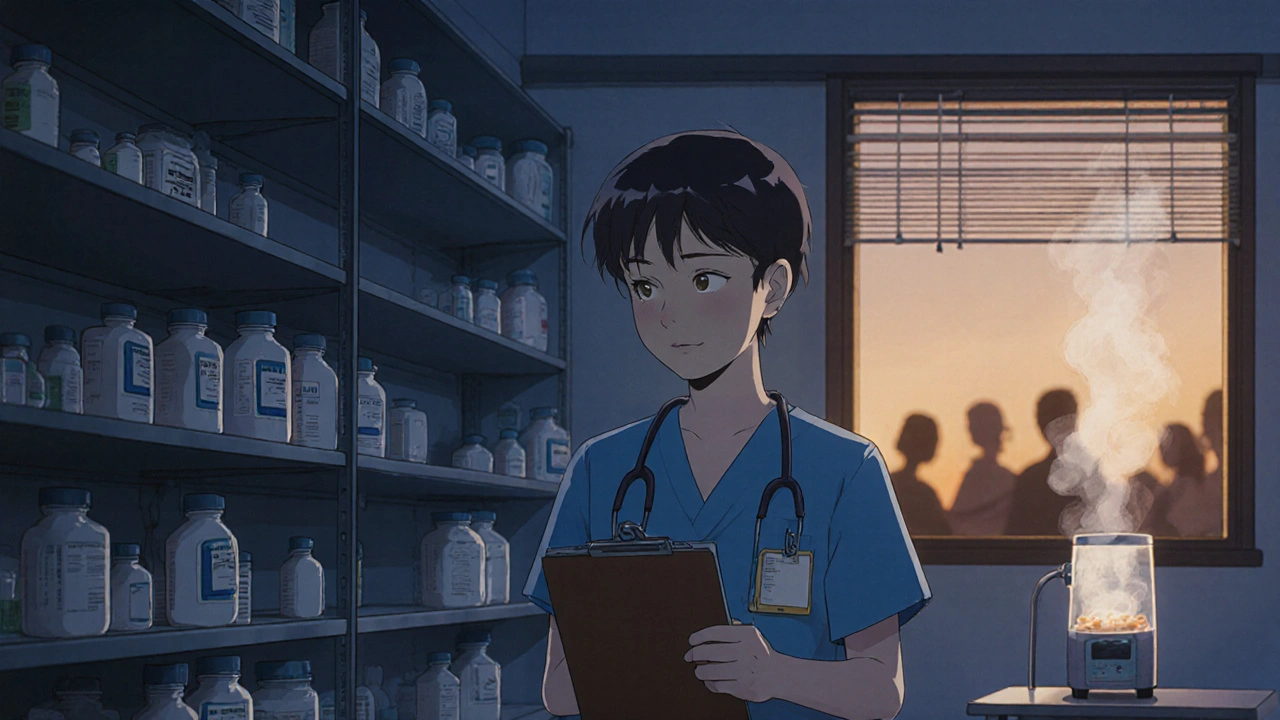
Right now, if you or someone you know needs a simple IV saline bag, a common chemotherapy drug, or even a basic antibiotic, there’s a real chance your pharmacy won’t have it in stock. As of November 2025, more than 270 medications are still in short supply across the United States - a number that’s barely budged since last year, despite headlines claiming the crisis is improving. These aren’t obscure or niche drugs. These are the medicines doctors reach for every day to treat cancer, infections, dehydration, and even chronic conditions like ADHD. And for many patients, the delay isn’t just inconvenient - it’s dangerous.
What’s Actually in Shortage Right Now?
The most critical shortages are in sterile injectables - drugs given directly into the bloodstream. These are hard to make, require clean-room manufacturing, and have razor-thin profit margins. That’s why they’re the first to disappear when factories hit snags.
- 5% Dextrose Injection (small bags) - Used to hydrate patients and deliver other drugs. Shortage started in February 2022. Expected to last until August 2025.
- 50% Dextrose Injection - Given to patients with severe low blood sugar. Shortage began in December 2021. Resolution expected September 2025.
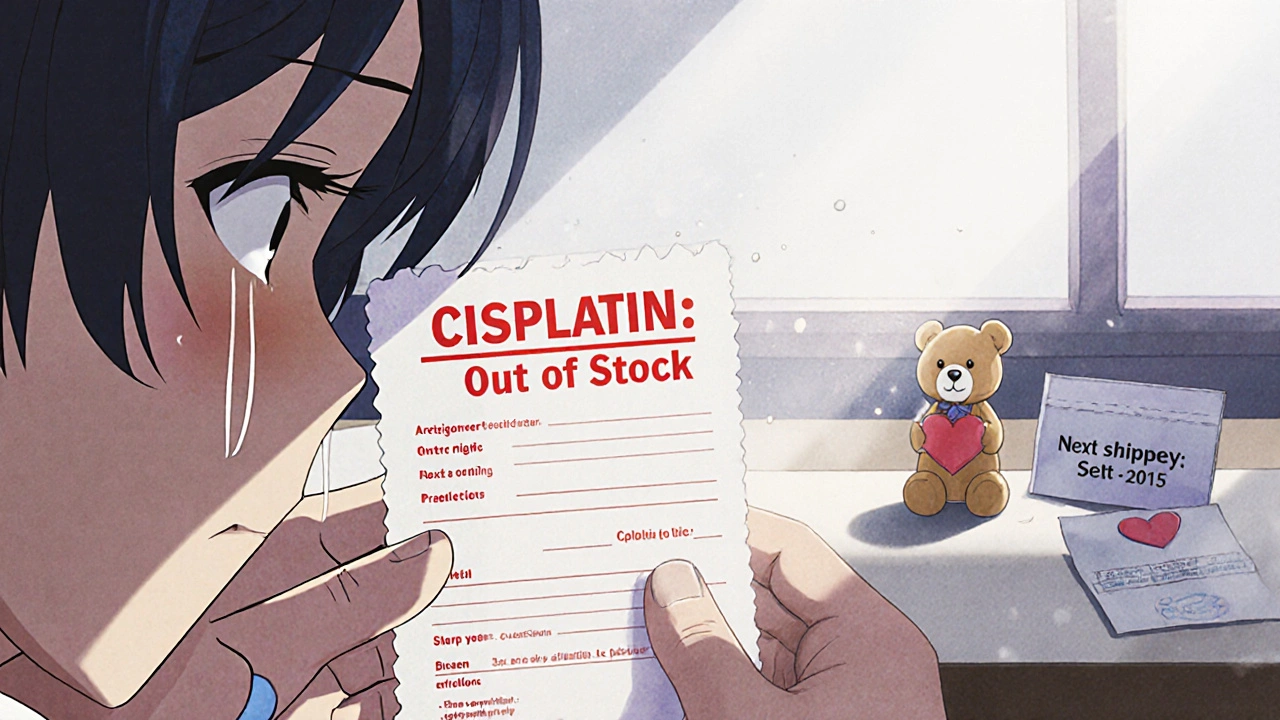
- Cisplatin - A cornerstone chemotherapy drug for testicular, ovarian, and lung cancers. A quality failure at an Indian manufacturing plant in 2022 knocked out half the U.S. supply. Hospitals now ration it, prioritizing patients with the best chance of survival.
- Vancomycin - A last-resort antibiotic for serious infections like MRSA. Shortages have been ongoing since late 2023, forcing doctors to use older, more toxic alternatives.
- Levothyroxine - The main drug for hypothyroidism. Even small changes in dosage can cause heart problems or fatigue. A supply hiccup in 2024 led to widespread switching between brands, causing confusion and side effects.
- Glucagon - Used to treat severe low blood sugar in diabetics. Shortages hit hard in early 2025, leaving families without a life-saving option during emergencies.
- ADHD medications (methylphenidate, amphetamine salts) - Demand has jumped 35% since 2020. Manufacturers can’t keep up, and prescriptions are being limited to 30-day supplies in many states.
- GLP-1 weight loss drugs (semaglutide, tirzepatide) - Once considered niche, these drugs are now in high demand for both weight loss and diabetes. Production delays mean many patients are being put on waiting lists.
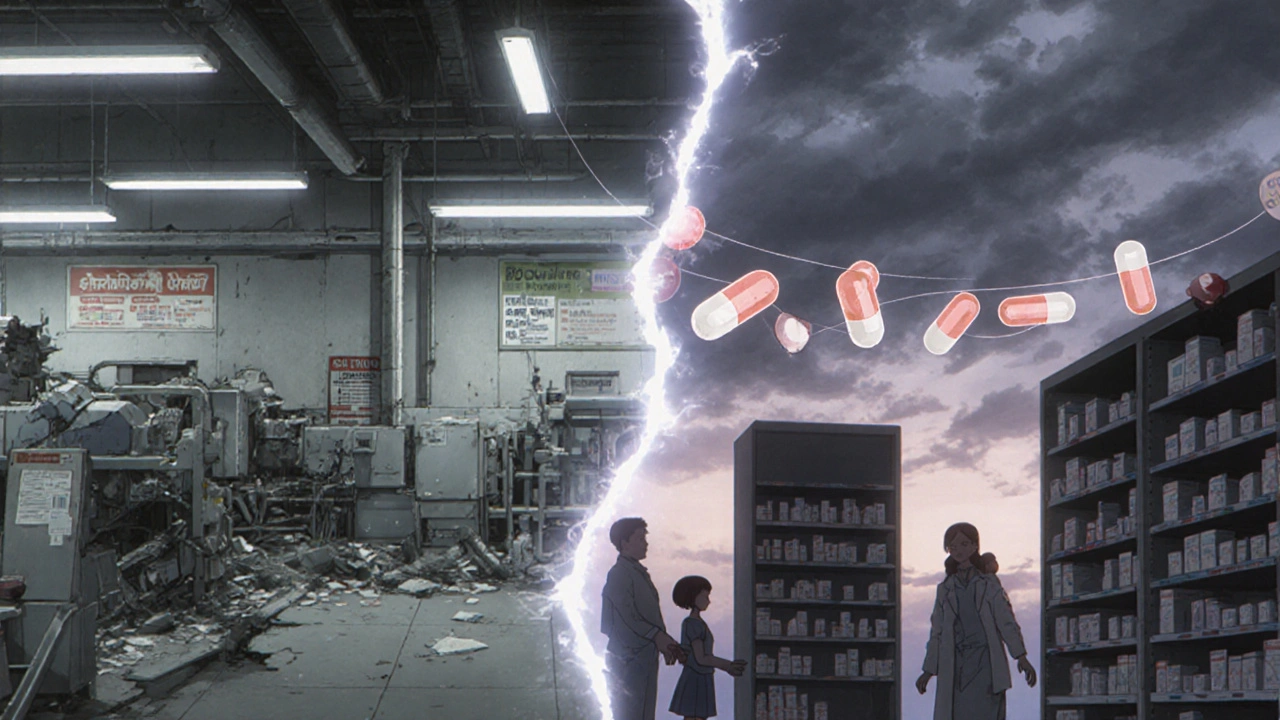
These aren’t random glitches. They’re systemic failures. The same few factories overseas produce most of the active ingredients for these drugs. When one plant fails an FDA inspection - like the one in India that made cisplatin - the ripple effect hits every hospital and pharmacy in the country.
Why Do These Shortages Keep Happening?
You might think it’s just bad luck. But the truth is deeper. About 80% of the raw ingredients for U.S. medications come from just two countries: India and China. India makes about 45% of the active pharmaceutical ingredients (APIs), while China supplies 25%. The rest come from Europe and a handful of domestic producers.
Why does this matter? Because making these ingredients isn’t like baking cookies. It’s a complex, multi-step chemical process. A single error - a wrong temperature, a contaminated water line - can shut down production for months. And when profit margins are as low as 5% to 8% for generic drugs, companies don’t invest in backup systems or extra inventory. They make just enough to cover orders. No safety net.
Brand-name drugs? They’re less affected. Why? Because they make 30% to 40% profit margins. They can afford to keep extra stock, pay for faster shipping, or even build their own manufacturing lines. But generics? They’re priced down to the penny. If a factory in India has a quality issue, and the U.S. company doesn’t have a backup supplier, the shelves go empty.
And then there’s demand. ADHD and weight loss drugs have exploded in popularity. No one planned for that surge. Pharmacies ordered based on last year’s numbers. Now they’re playing catch-up - and losing.
What’s Being Done About It?
The FDA says it stops about 200 potential shortages every year by stepping in early - warning manufacturers, helping fix problems, or fast-tracking inspections. But here’s the catch: they can’t force anyone to make more. No legal power. No fines. Just requests.
Some states are trying to fill the gap. New York is building a public online map showing which pharmacies still have scarce drugs in stock. Hawaii now allows Medicaid to cover foreign-approved versions of drugs if U.S. ones aren’t available. That’s a big deal - it means patients can get the same medicine, even if it’s made in a different country.
Pharmacists are doing the heavy lifting. Nearly 70% of hospital pharmacists spend over 10 hours a week just tracking down alternatives, calling distributors, and managing substitutions. In Ohio, one hospital had to create a point system to decide who got cisplatin - cancer patients with the highest survival odds got it first. Others waited.
And here’s the scary part: 92% of hospital pharmacists say they’ve made a medication error during a shortage. That’s not because they’re careless. It’s because they’re juggling unfamiliar doses, different brand names, and last-minute changes. One wrong substitution can lead to a bad reaction, a missed treatment, or even death.
What You Can Do
If you’re taking a medication that’s in short supply, here’s what actually works:
- Call your pharmacy early - Don’t wait until your last pill is gone. Ask if they have your drug in stock. Ask when the next shipment is coming.
- Ask about alternatives - Not all substitutes are equal, but many are. For example, if 5% dextrose isn’t available, your doctor might switch you to oral hydration or a different IV fluid. Ask if the alternative is safe and effective.
- Don’t skip doses - Especially with thyroid, diabetes, or cancer meds. Talk to your doctor before making any changes. Skipping can cause serious harm.
- Check the FDA and ASHP lists - The FDA’s Drug Shortages page and the ASHP Drug Shortages Database are updated weekly. You don’t need to be a doctor to use them.
- Join patient advocacy groups - Organizations like Patients for Affordable Drugs track shortages and push for policy changes. Your voice matters.
There’s no quick fix. The supply chain is broken. But awareness helps. When more people know what’s happening, pressure builds - on manufacturers, on regulators, on lawmakers.
What’s Next?
The Congressional Budget Office predicts the number of shortages won’t drop below 250 until at least 2027 - and could spike to 350+ if new tariffs on Chinese and Indian pharmaceuticals go through. That’s not speculation. That’s a projection based on current trade policies.
The U.S. Pharmacopeia is calling for three big changes: financial incentives to bring API manufacturing back to the U.S., mandatory stockpiles of critical drugs for hospitals, and a national early warning system that connects manufacturers, distributors, and pharmacies in real time. None of these are expensive. But they all require political will.
For now, the burden falls on patients, pharmacists, and doctors. We’re patching holes in a sinking ship. The real solution? Build a new one.
Which medications are currently in the most critical shortage?
The most critical shortages are in sterile injectables like 5% and 50% Dextrose, Cisplatin, Vancomycin, and Glucagon. These are used in emergencies, cancer treatment, and for diabetic patients. Without them, hospitals can’t provide standard care. ADHD and GLP-1 weight loss drugs are also in high-demand shortages, with supply failing to keep up with rising prescriptions.
Why are generic drugs more likely to be in short supply than brand-name drugs?
Generic drugs have profit margins of only 5% to 8%, while brand-name drugs can earn 30% to 40%. Manufacturers of generics don’t have the funds to build backup production lines, stockpile inventory, or invest in quality control upgrades. They produce just enough to meet orders. When a factory in India or China has a problem, there’s no backup - and the drug disappears.
Can I get a substitute if my medication is out of stock?
Yes - but only if the substitute is therapeutically equivalent and approved by your doctor. Forty-seven states allow pharmacists to swap generic versions during shortages, but only 19 let them do it without a new prescription. Never switch medications on your own. Talk to your pharmacist and doctor before accepting any substitution.
Are drug shortages getting worse in 2025?
The number of shortages has stabilized around 270, down slightly from 277 in late 2024, but the situation remains severe. Many shortages began in 2022 or earlier and have never been fully resolved. New shortages are emerging in hormonal and central nervous system drugs, while older ones in IV fluids and antibiotics are finally easing. The real risk is a sudden spike - from tariffs, supply chain shocks, or a surge in demand.
How do drug shortages affect cancer patients?
Cancer patients are hit hardest. Drugs like Cisplatin, Doxorubicin, and Etoposide are essential for treating testicular, lung, and breast cancers. When these are in short supply, hospitals ration them, delaying treatment by an average of 14.7 days per interruption. A 2024 survey found 31% of cancer patients experienced treatment delays due to shortages. Delays can reduce survival chances, especially for aggressive cancers.
Is there a way to know if my pharmacy has the drug I need?
Yes. The FDA and ASHP maintain public databases of current shortages. You can also call your pharmacy directly and ask if they have your medication in stock and when the next shipment is expected. New York is launching a public online map showing which pharmacies have scarce drugs - other states may follow. Don’t assume your pharmacy has it - always check.
What’s being done to fix drug shortages long-term?
Proposed solutions include financial incentives to bring drug ingredient manufacturing back to the U.S., mandatory strategic stockpiles of critical drugs for hospitals, and a national early warning system that connects manufacturers, distributors, and pharmacies. The FDA can’t force companies to produce more, so policy changes are needed. Some states are experimenting with allowing foreign-approved drugs during shortages, which could help ease pressure on the U.S. supply chain.
Final Thoughts
This isn’t a temporary glitch. It’s a structural flaw in how we make and distribute medicine. The same factories that make your antibiotics also make the drugs for someone’s chemotherapy. When one fails, everyone loses. We’ve outsourced too much. We’ve priced too low. We’ve ignored the warnings.
For now, the best defense is awareness. Know what drugs are scarce. Talk to your doctor. Ask questions. Don’t assume your prescription will be filled. And push for change - because when the next crisis hits, it won’t be a rumor. It’ll be your medicine missing from the shelf.

15 Comments
So let me get this straight - we’re running out of IV fluids and chemo drugs because some factory in India sneezed and now we’re all outta luck? 😅 Meanwhile, my Netflix subscription auto-renews like clockwork. Priorities, folks.
my mom’s on levothyroxine and they switched brands last month… she’s been dizzy and tired for weeks. no one seems to care. 🥲
It’s because we let China and India run the show. We used to make our own meds. Now we’re a nation of pill-popping beggars. Build the factories. Ban imports. America First. 🇺🇸
glucagon shortages?? 😱 my cousin’s 8yo diabetic kid had to use honey on a cotton swab during a low… i cried reading this. we’re so broken.
Look, I read the whole thing and honestly? This is just another ‘poor me’ liberal cry for government handouts. People need to stop being lazy and just take the damn substitute. If your thyroid med isn’t working, maybe you’re just fat and need to eat less sugar. Also, why are we paying for GLP-1 drugs for weight loss? That’s not medicine, that’s vanity.
It’s not about the drugs. It’s about capitalism. We turned medicine into a commodity, not a right. We let greed dictate who lives and who dies. The FDA’s just a glorified customer service line. And guess what? The people who need cisplatin most? They’re the ones who can’t afford to scream the loudest. 🖤
92% of pharmacists made errors during shortages? That’s not a system failure. That’s incompetence. They should’ve trained better. Or maybe we shouldn’t have outsourced everything to third-world factories with no oversight. Either way, it’s not my problem.
It is submitted for consideration that the structural inadequacies inherent in the contemporary pharmaceutical supply chain reflect a systemic dereliction of fiscal responsibility and strategic foresight on the part of both public and private stakeholders. The absence of redundancy in manufacturing infrastructure constitutes an existential vulnerability.
They say the cure is worse than the disease but here we are, treating the symptom while the disease eats the whole body. We built a house on sand and now we’re surprised when the tide comes in
Let’s be honest - the real issue is that we’ve normalized pharmaceutical dependency. ADHD meds for 12-year-olds? GLP-1s for weight loss? We’ve medicated our way out of responsibility. The shortage isn’t the problem - our expectations are.
They’re letting foreigners control our medicine supply? That’s treason. We need to lock down every single API plant and bring it back to the USA. No more imports. No more excuses. If we can send troops overseas, we can make damn pills at home.
My cousin is a nurse in Texas and she told me they’re using saline bags from 2023 because the new ones haven’t arrived. People are dying because of paperwork delays. We need to stop treating this like a logistics problem and start treating it like a humanitarian emergency. Let’s get loud.
Pharmacists are working 10+ hours a week just tracking down drugs? That’s not a job - that’s a heroic act. We need to honor them. Pay them more. Protect them. They’re the last line between life and death when the system fails. Thank you, unsung heroes.
my pharmacy said they’re out of vancomycin again… so i called 3 others and one had it but it was 3x the price. wtf. also typoed ‘vancomycin’ 4 times while typing this. my brain is tired.
why are we even still using dextrose bags? can’t we just give people juice? or like… eat a candy bar? i mean come on. this is 2025 not 1985. also i think the FDA is just a bunch of old guys who still use fax machines
Write a comment