
Medication Timing & Interaction Planner
1. Set Your BAS Dose Time
2. Select Other Medications
Suggested Medication Windows:
Imagine taking a medication that helps your blood sugar and your cholesterol at the same time, but it feels like swallowing chalk and might leave you dealing with severe constipation. That is the reality for many people using Bile Acid Sequestrants is a class of non-absorbable resins that bind bile acids in the gut to lower LDL cholesterol and modestly reduce blood glucose. While they aren't the first choice for most doctors today, they offer a unique dual benefit for people who struggle with both type 2 diabetes and high cholesterol, especially those who can't handle statins.
If you've been prescribed one of these, you're likely looking for a way to balance the benefits with the notorious digestive issues and the tricky timing required to keep your other meds working. Here is a realistic look at how these drugs work and what you need to watch out for.
The Quick Reality Check
- The Goal: Lowering LDL cholesterol (15-18%) and dropping HbA1c by about 0.5%.
- The Trade-off: Significant gastrointestinal side effects and a strict medication schedule.
- Best For: Patients with both dyslipidemia and mild diabetes who are statin-intolerant.
- Red Flags: Do not use if you have a bowel obstruction or triglycerides over 500 mg/dL.
How They Actually Work in Your Body
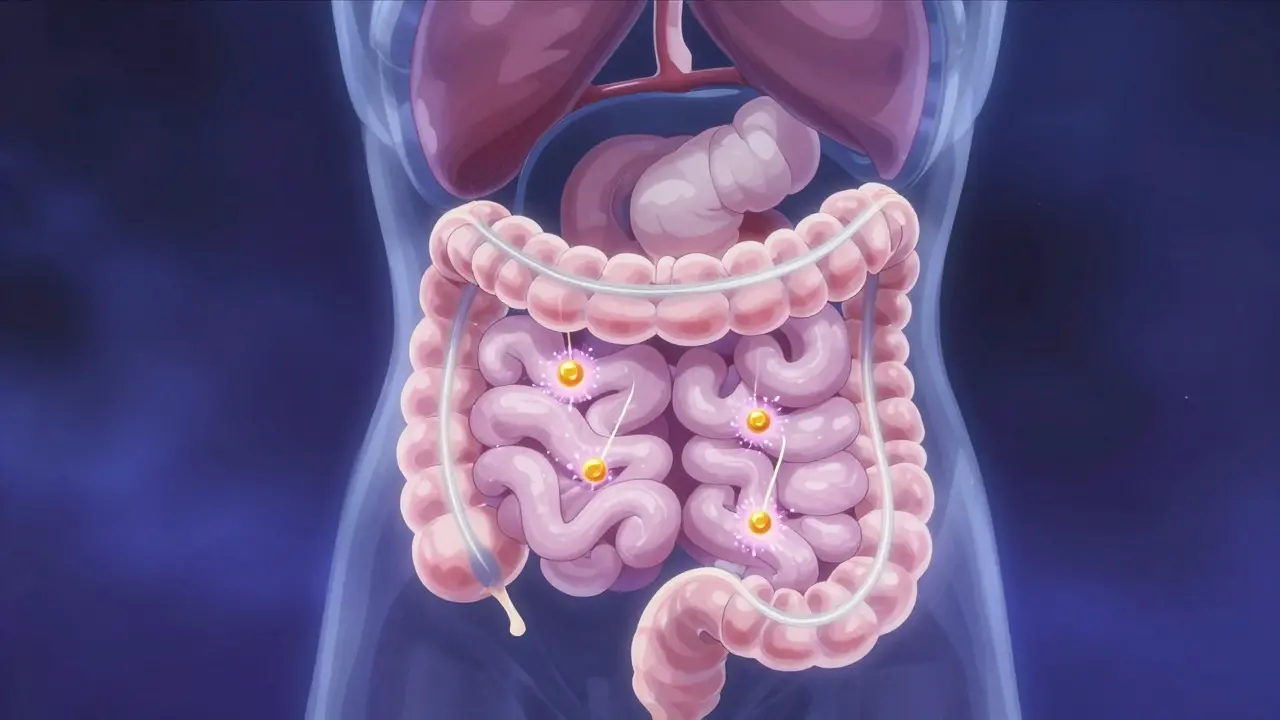
Most diabetes meds target the pancreas or the kidneys. Bile Acid Sequestrants (BASs) take a different route. They act like a sponge in your intestines, soaking up bile acids and pulling them out of your body through your stool. To make up for this loss, your liver has to use up cholesterol to create more bile acids.
This process does more than just clear out cholesterol. It triggers specific signaling pathways-namely the farnesoid X receptor (FXR) and TGR5 receptors-which help regulate how your body handles glucose. This is why a drug originally meant for heart health can actually help lower your blood sugar, though the effect is modest compared to heavy hitters like Metformin or GLP-1 agonists.
Common Types and Costs
Not all sequestrants are created equal. Some are approved specifically for diabetes, while others are used "off-label."
| Medication | FDA Approved for Diabetes? | Typical Dose | Estimated Monthly Cost (US) |
|---|---|---|---|
| Colesevelam (WelChol) | Yes | 3.75 g daily | ~$547.20 |
| Sevelamer (Renvela) | No (used for phosphate) | 800-1,600 mg 3x daily | ~$722.40 |
| Cholestyramine | No | Varies | Varies |
The Side Effect Struggle: Managing the Gut
Let's be honest: the side effects are the biggest reason people quit these drugs. About 20-30% of users struggle with gastrointestinal intolerance. The most common complaints are constipation, nausea, and a persistent feeling of bloating.
Some users on forums like Reddit have described the texture as "horrible chalk" that makes it hard to swallow. In severe cases, the constipation can become a medical emergency. To avoid this, don't jump straight into the full dose. A common pro tip from clinicians is to start with a lower dose-perhaps 1,875 mg of colesevelam-and slowly increase it over four weeks. Drinking massive amounts of water and increasing fiber intake is non-negotiable here; otherwise, you're asking for trouble.
The Danger of Drug Interactions
Because BASs are essentially "sponges" in your gut, they don't just soak up bile acids-they can soak up your other medications too. If you take your heart or thyroid meds at the same time as your sequestrant, the drug may never reach your bloodstream, leaving you untreated.
The golden rule for timing is: Take other medications at least 4 hours before or 1 hour after your dose of Colesevelam. If you ignore this, you might see these issues:
- Thyroid Hormones: Reduced absorption, which can throw your metabolism off. Require 4-6 hours of separation.
- Blood Thinners: If you take Warfarin, your INR levels can shift. You'll need much closer monitoring.
- Statins: Colesevelam can lower the concentration of Simvastatin by about 40% and Atorvastatin by 20%. You might need a dose adjustment.
- Diabetes Meds: Both Metformin and sulfonylureas can be affected, which might make your blood sugar fluctuate unexpectedly.

How It Compares to Modern Diabetes Drugs
If you're wondering why your doctor isn't prescribing this as your first option, it's because the numbers don't always add up. When you compare BASs to newer classes of drugs, the glucose-lowering power is simply lower.
For example, SGLT2 inhibitors typically drop HbA1c by 0.66% to 1.03%, and GLP-1 agonists can drop it by 0.8% to 1.5%. Colesevelam usually manages about 0.47% to 0.5%. Furthermore, newer drugs often help with weight loss, whereas BASs are weight-neutral. The only place BASs win is in the lipid department; they lower LDL without the muscle pain (myopathy) often associated with high-dose statins.
Is It Still Relevant in 2026?
The market for these drugs is shrinking. With GLP-1s becoming more affordable and effective, BASs have become a "niche" tool. They are primarily used for the "difficult" patient-someone who has mild hyperglycemia, significant high cholesterol, and cannot tolerate statins.
There is some hope for the future. New analogs (like Elobixibat variations) are in phase 2 trials, showing a 40% reduction in GI side effects. There are also studies looking at combining colesevelam with semaglutide to see if they can boost each other's effects. But for now, if you're using these, you're likely in a very specific group of patients where the dual-benefit outweighs the digestive hassle.
Can I take Colesevelam with a generic statin?
Yes, but be careful. Colesevelam can reduce the amount of statin absorbed by your body. For example, it may lower simvastatin levels by up to 40%. You should discuss a dose adjustment with your doctor and always separate the two medications by several hours.
What should I do if the constipation becomes severe?
First, increase your water and fiber intake immediately. If over-the-counter options like Miralax don't work, contact your doctor. In rare cases, BASs can lead to bowel obstruction, which is a medical emergency. If you experience severe abdominal pain or stop having bowel movements entirely, seek urgent care.
Do Bile Acid Sequestrants cause hypoglycemia?
Generally, no. Unlike insulin or sulfonylureas, BASs do not typically cause your blood sugar to drop too low (hypoglycemia) when used alone. This makes them a safer add-on for some patients.
How long does it take to see a change in HbA1c?
Because HbA1c measures your average blood sugar over three months, you won't see a significant change in your lab results until you've been on the medication consistently for at least 8-12 weeks.
Is there a generic version of WelChol?
Currently, there are no widely available generic alternatives for colesevelam in the United States, which contributes to its high monthly cost.
Next Steps for Patients
If you are starting a BAS regimen, keep a medication diary for the first two weeks. Mark exactly when you take your sequestrant and when you take your other pills to ensure you're maintaining that 4-hour window. If the "chalky" taste is unbearable, ask your pharmacist if you can take the medication with a specific food or liquid to mask the flavor.
For those experiencing moderate GI distress, try a "step-up" approach: start with one tablet twice a day for a week, then move to three, and so on. If you develop a fever or severe vomiting, stop the medication and call your provider immediately, as these could be signs of a blockage.