
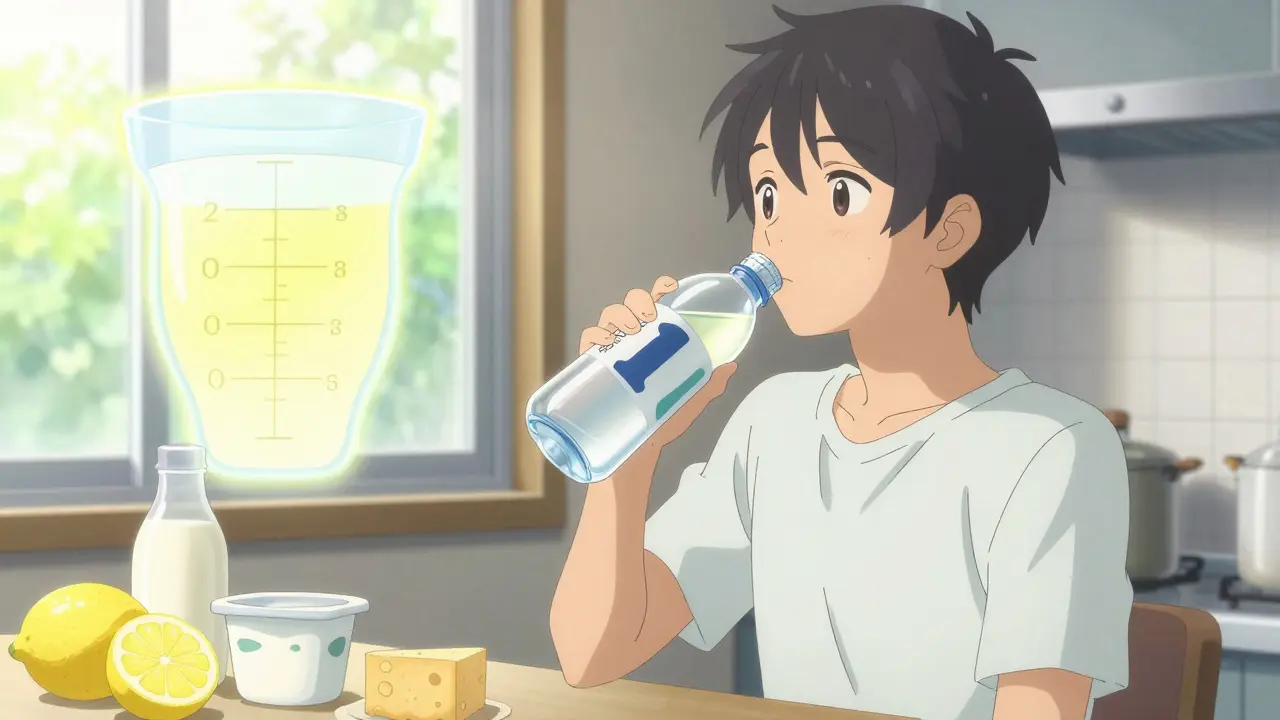
Every year, millions of people pass a kidney stone. For many, it’s a one-time nightmare. But for others, it’s just the beginning. If you’ve had one kidney stone, you have a 30% to 50% chance of getting another within five years. And if you’ve had two? That number jumps to over 70%. This isn’t bad luck. It’s a chronic condition - and like diabetes or high blood pressure, it needs daily management.
Why Kidney Stones Keep Coming Back
Kidney stones aren’t just random crystals that form out of nowhere. They’re the result of long-term imbalances in your urine. When your urine is too concentrated, minerals like calcium, oxalate, and uric acid clump together and harden. The more often this happens, the more your kidneys get damaged over time. Studies show that nearly 1 in 5 people who keep forming stones develop chronic kidney disease. The biggest myth? That you need to cut out calcium. That’s the opposite of what you should do. When you avoid calcium-rich foods, your body absorbs more oxalate from plants like spinach, nuts, and beets. That oxalate then binds with calcium in your kidneys - and boom, another stone. The European Association of Urology and the National Kidney Foundation both say: Don’t reduce calcium. Get it from food.The One Thing That Matters Most: Fluids
If you remember only one thing from this article, make it this: Drink enough water. Not “a lot.” Not “when you’re thirsty.” But enough to make your urine clear or pale yellow - and to produce at least 2.5 liters of urine every day. That means you need to drink 2.5 to 3 liters of fluid daily. That’s about 10 to 12 cups. And yes, that includes tea, coffee, and even soda - but not the sugary kind. Water is still the best. Studies show that people who drink mostly water have the lowest recurrence rates. Here’s the catch: thirst is a terrible guide. By the time you feel thirsty, you’re already dehydrated. The NHS warns that relying on thirst is like waiting for your car to run out of gas before checking the fuel gauge. Use a marked bottle. Fill it up twice a day. Sip steadily. Even at night. Your kidneys work while you sleep - they need fuel.Diet: What to Eat, What to Avoid
You don’t need a perfect diet. You need a smart one. Sodium is the silent enemy. Most people don’t realize how much salt they eat. Processed foods - bread, canned soup, deli meats, frozen meals - are loaded with it. The American Academy of Family Physicians recommends no more than 2 grams of sodium per day. That’s about 5 grams of table salt. Cut back on packaged foods. Cook at home. Taste your food before adding salt. Animal protein is a problem. Red meat, poultry, fish, and eggs increase uric acid and reduce citrate - a natural stone blocker. Limit yourself to 8 ounces (about the size of a deck of cards) per day. Swap some meals for plant proteins like beans, lentils, or tofu. You’ll get less stone risk and more fiber. Oxalate isn’t the villain - unless you’re eating it alone. Spinach, almonds, sweet potatoes, and beet greens are high in oxalate. But here’s the trick: eat them with calcium-rich foods at the same meal. Have spinach with yogurt. Have almonds with cheese. The calcium binds to oxalate in your gut before it reaches your kidneys. That stops stones before they start. Don’t fear calcium - get it from food. Milk, yogurt, cheese, fortified plant milks, and leafy greens like kale are your friends. The National Kidney Foundation says people who eat more dairy have fewer stones. Supplements? Only if your doctor says so. Food calcium is safer and more effective.What to Drink Beyond Water
Water is king, but other drinks can help. Lemon juice is a quiet hero. The NHS recommends adding fresh lemon juice to your water. Why? Lemon juice is rich in citrate, which stops crystals from forming. You don’t need supplements. Just squeeze half a lemon into a glass of water, twice a day. Orange juice works too - but avoid sweetened versions. Too much sugar increases stone risk. Avoid fizzy drinks, especially colas. They contain phosphoric acid and high fructose corn syrup - both linked to higher stone rates. Even diet sodas aren’t safe. One study found that people who drank one cola a day had a 23% higher risk of stones.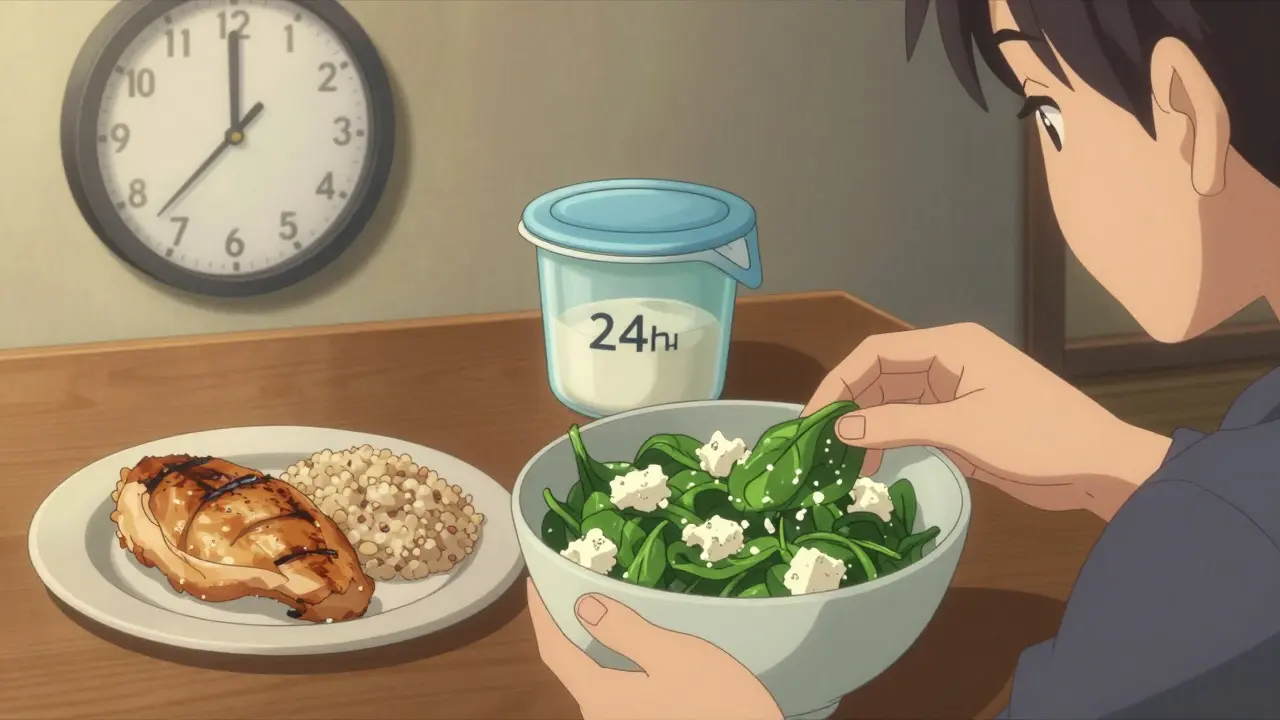
Monitoring Progress: It’s Not a One-Time Fix
Preventing kidney stones isn’t like taking a pill and forgetting about it. It’s a lifelong habit. The European Association of Urology recommends a 24-hour urine test eight to twelve weeks after you start changing your diet. This test shows if your urine volume, citrate, sodium, and oxalate levels are on track. If you’re on medication - like potassium citrate or hydrochlorothiazide - you’ll need follow-up tests. But here’s something surprising: a 2023 study found hydrochlorothiazide didn’t work much better than a placebo for many people. That’s why diet and fluids are still the foundation. Medications help, but they’re not magic.Who’s at Risk - And Why
Men are three times more likely than women to get kidney stones. The peak age? 30 to 60. But it’s not just about gender or age. Geography matters too. In the southeastern U.S., known as the “Stone Belt,” up to 15% of people have had a stone. Why? Heat. Dehydration. Sweating more than you drink. If you live in a hot climate, work outdoors, or exercise hard, you need even more fluids. Add an extra liter on hot days. Weigh yourself before and after exercise. For every pound lost, drink 16 ounces of water.The Bigger Picture: It’s Not Just About Stones
Kidney stones are more than pain. They’re a warning sign. Repeated stones can scar your kidneys. They can lead to infections. They can make you more likely to develop chronic kidney disease. That’s why experts like Dr. Juan Calle say we need to treat this like a chronic illness - not a one-off emergency. That means working with a team: your doctor, a dietitian, maybe a nephrologist. It means tracking your intake. It means being patient. You won’t see results overnight. But if you stick with it, your risk drops by 40% to 50%. The National Kidney Foundation says the DASH diet - designed for high blood pressure - works great for kidney stones too. It’s high in fruits, vegetables, whole grains, and low-fat dairy. Low in salt, sugar, and red meat. Simple. Proven. Sustainable.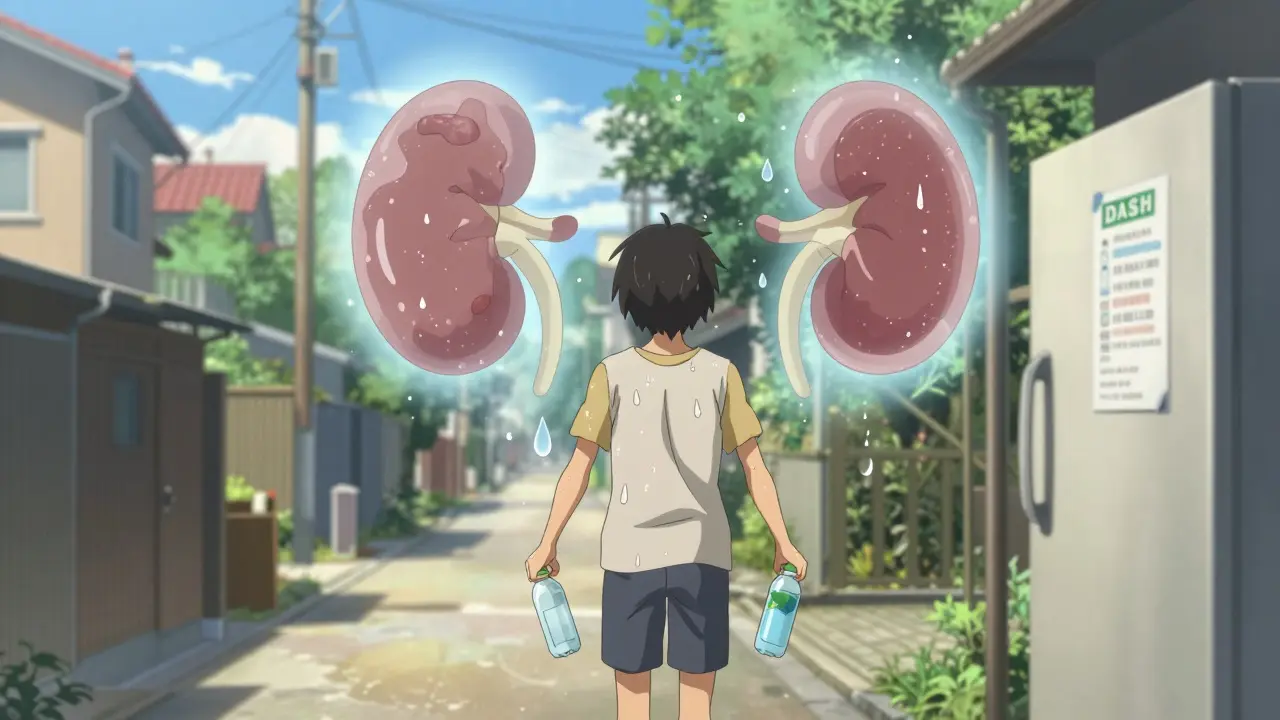
Real-Life Steps You Can Start Today
You don’t need to overhaul your life. Start small.- Buy a 1-liter water bottle. Fill it twice a day. Drink it before 6 p.m.
- Swap one processed snack for a piece of fruit or a handful of yogurt.
- Add lemon juice to your morning water.
- Check the sodium on your bread. If it’s more than 150mg per slice, switch brands.
- Have cheese with your spinach salad - not before or after, but with it.
What If You Slip Up?
Everyone does. Missed a day of water? Ate too much salt? Don’t panic. Don’t quit. Just reset. One bad day doesn’t undo months of progress. What matters is what you do tomorrow. The goal isn’t perfection. It’s consistency. Over time, your body learns. Your urine becomes less likely to form stones. Your risk drops. Your life gets easier.Final Thought: You’re Not Alone
You’re not just fighting crystals in your kidneys. You’re fighting years of misinformation - that you need to avoid dairy, that you need to drink cranberry juice, that one surgery will fix it forever. None of that’s true. This is a chronic condition. And like all chronic conditions, it’s manageable. Not curable. But controllable. With the right habits, you can go years - even decades - without another stone. It’s not about willpower. It’s about knowing what works - and doing it, day after day.Can I drink coffee if I have kidney stones?
Yes, coffee is fine in moderation. Studies show that moderate coffee intake doesn’t increase stone risk and may even help slightly because it increases urine volume. But don’t rely on it. Water is still the best choice. Avoid adding sugar or creamers with high sodium or artificial sweeteners.
Should I take calcium supplements to prevent kidney stones?
No - unless your doctor specifically recommends it. Calcium supplements taken without food can increase stone risk because they raise calcium levels in the blood without binding oxalate in the gut. Get your calcium from food: milk, yogurt, cheese, kale, or fortified plant milks. That’s safer and more effective.
Is lemon juice better than potassium citrate pills?
For most people, lemon juice is a good first step. It’s natural, cheap, and safe. A half lemon in water gives you about 30-40 mg of citrate. Potassium citrate pills give you 10-20 times that amount. If you’re still forming stones despite drinking lemon water, your doctor may prescribe citrate pills. But start with lemon - it’s the easiest way to begin.
Can I eat spinach if I get kidney stones?
Yes - but not alone. Spinach is high in oxalate, which can contribute to stones. But if you eat it with calcium-rich foods - like adding spinach to a cheese omelet or blending it into a yogurt smoothie - the calcium binds to the oxalate in your gut and prevents it from reaching your kidneys. Don’t avoid spinach. Pair it wisely.
How long until I see results from dietary changes?
It takes time. Most people start seeing changes in their urine chemistry within 4 to 8 weeks. But the real test is whether you form another stone. That can take months or even years. Stick with the habits. Don’t wait for results to keep going. Prevention is about building a lifestyle - not fixing a problem.
Do I need to get a 24-hour urine test?
Not everyone does - but if you’ve had more than one stone, it’s highly recommended. The test tells you what’s in your urine: too little citrate? Too much sodium? Not enough volume? That helps your doctor tailor advice. Without it, you’re guessing. With it, you’re targeting.
Can kidney stones cause permanent kidney damage?
Yes - especially if stones keep coming back. Repeated blockages and infections can scar the kidneys. Studies show that 19% of people who form multiple stones develop chronic kidney disease. That’s why prevention isn’t optional. It’s protective.
Is the DASH diet really effective for kidney stones?
Yes. The DASH diet - which focuses on fruits, vegetables, whole grains, and low-fat dairy while cutting sodium and sugar - has been shown in clinical studies to reduce kidney stone risk by 40% to 50%. It’s not just good for blood pressure. It’s one of the most effective stone-prevention diets we have.




10 Comments
man i used to think drinking water was just for not getting dizzy at the gym
turns out my kidneys were just waiting for me to stop being a dumbass
started sipping from my marked bottle like the article said
3 months later… no stones. no drama. just chill.
also lemon water is weirdly delicious now?? 🍋
in india many people drink tea all day. but if you drink tea with milk and eat curd with spinach, stone risk goes down. simple. no need to overthink. drink water, eat dairy with greens. done.
oh wow. another ‘drink water’ miracle cure from the medical-industrial complex. next they’ll tell me sunlight cures cancer and breathing prevents heart attacks.
you know what actually causes stones? corporate food, glyphosate, and fluoride in the water supply. not your ‘sodium intake.’
and don’t even get me started on ‘citrate pills’ - those are just Big Pharma’s way of turning your kidneys into a profit margin.
also, lemon juice? please. I’ve been drinking distilled water with Himalayan salt since 2017. I’m stone-free. You’re welcome.
bro this hit different 😌
i used to think spinach = bad
now i put it in my dahi bhalla
and yes, i still drink chai
but now i also sip water between sips
small changes. big difference. thanks for this 🙏
i just got diagnosed with a stone last week and now i’m crying in the grocery store because i don’t know what ‘low sodium bread’ even means and why is everything salty??
also why does lemon juice taste like sadness??
why is life like this?? 😭
While the article presents a superficially plausible framework, it fundamentally fails to contextualize the metabolic heterogeneity of stone formers. The DASH diet recommendation, for instance, is derived from hypertensive cohorts - a population with divergent urinary profiles. Moreover, the implicit assumption that citrate supplementation is secondary to lemon juice ignores pharmacokinetic bioavailability thresholds. One must also interrogate the confounding variable of ambient humidity in the 'Stone Belt' hypothesis - a reductive geographical determinism that obfuscates genetic predisposition. In short: anecdotal efficacy ≠ clinical validity.
Let’s be honest - this is just a rebranded wellness blog masquerading as peer-reviewed medicine. You cite the EAU and NKF like they’re gospel, but where’s the RCT data on lemon juice vs. potassium citrate? And why is there no mention of hyperoxaluria subtypes? Or the role of gut microbiome in oxalate degradation? And why are you telling people to drink 3L of fluid daily without considering SIADH or hyponatremia risks? This isn’t advice - it’s dangerous oversimplification wrapped in a pretty infographic.
Start with one thing. Just one. Maybe it’s the water bottle. Maybe it’s skipping the salt shaker. Don’t try to fix everything at once. You’ve got this.
Wow. So after all this, the secret to not getting kidney stones is… drink water and don’t eat junk? Groundbreaking. I’m sure the FDA will award you a Nobel Prize next.
Meanwhile, I’ll be over here sipping my diet soda and eating kale chips like a responsible adult. 😌
hey i tried the lemon water thing and i think i did it right? i squeezed half a lemon into my bottle but i think i used bottled lemon juice by accident? hope that’s okay…
also i forgot to drink it at night once but i made up for it by drinking extra in the morning??
is that bad? i just wanna not die. 😅
Write a comment