
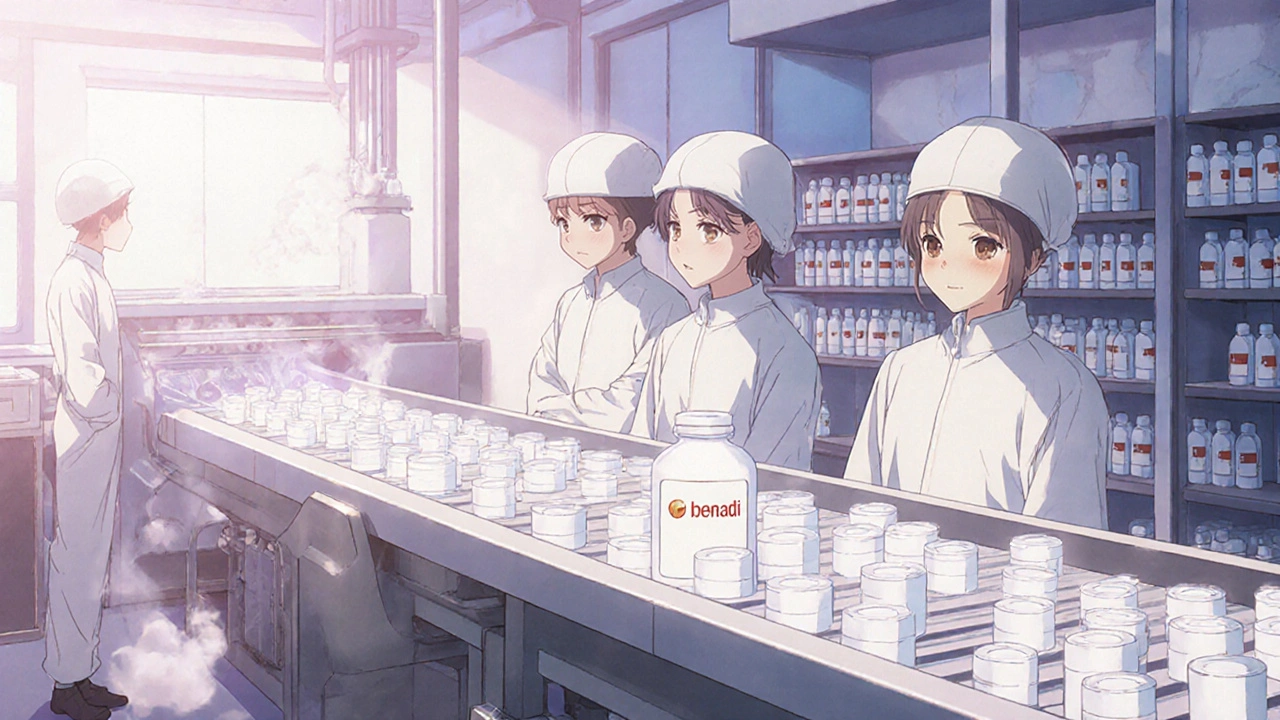
When you see a pill that looks exactly like your brand-name medication but costs half as much, you might assume it’s just another generic. But what if that generic was made in the same factory, with the same machines, by the same people who made the original? That’s an authorized generic - and it’s not what most people think it is.
What Exactly Is an Authorized Generic?
An authorized generic isn’t a copycat. It’s the real thing - the exact same drug, made by the original brand company, just sold under a different label. No reformulation. No shortcuts. No different ingredients. The active pharmaceutical ingredient, the dosage, the way it’s made - everything matches the brand-name version down to the last detail. The only differences? The packaging and the name on the bottle. The FDA defines it clearly: an authorized generic is a drug approved under the original New Drug Application (NDA), marketed with different labeling, but identical in every other way. That means no extra bioequivalence studies. No waiting for an Abbreviated New Drug Application (ANDA) to be approved. It’s the same product, just repackaged. This isn’t some loophole. It’s a legal pathway created by the Hatch-Waxman Act of 1984. Back then, Congress wanted to encourage generic competition but also let brand companies protect their investments. Authorized generics became a way for them to enter the low-price market themselves - without giving up control.Who Actually Makes Authorized Generics?
Here’s where it gets interesting. Three main players make authorized generics, and each has a different approach. 1. The Brand Company Itself About 52% of authorized generics are made directly by the original manufacturer. They use the same facility, the same equipment, the same quality control systems. Think of it like a car company making two versions of the same model - one with a logo, one without. The only difference is the badge. Take Pfizer. Their subsidiary, Greenstone LLC, has been making authorized generics since 1998. Greenstone doesn’t just make copies - it makes the exact same pills Pfizer sells under its own name. Over 70 authorized generics come out of Greenstone’s plants, all produced on the same lines as the branded versions. The same chemists, the same inspectors, the same batch records. If you’ve taken a Pfizer drug, you’ve likely taken a Greenstone-made version without knowing it. 2. Wholly-Owned Subsidiaries Another 31% are made by subsidiaries created specifically for this purpose. These aren’t separate companies. They’re arms of the brand-name manufacturer, legally distinct but operationally identical. AstraZeneca’s Az generici is a perfect example. When Nexium’s patent expired, AstraZeneca didn’t let competitors take over. Instead, Az generici started making the exact same esomeprazole capsule - same manufacturer, same process, same quality checks - and sold it under a generic label. In 2022, that single authorized generic brought in $1.2 billion in sales. These subsidiaries give brand companies flexibility. They can run marketing campaigns for the brand version while quietly pushing the authorized generic to pharmacies and insurers. It’s a strategic move - they keep market share without looking like they’re fighting their own generics. 3. Third-Party Contract Manufacturers The remaining 17% are made by outside companies. But here’s the catch: they don’t just take a formula and wing it. The brand company must add the third-party site to their original NDA through a regulatory filing - either a Prior Approval Supplement (PAS) or a Change Being Effected in 30 Days (CBE30). That means the FDA has to review and approve the manufacturing site before production can begin. One case in point: Novartis launched an authorized generic of Comtan (entacapone) through a third-party manufacturer. The active ingredient? Same source. The production process? Same as the branded version. The only change? The label. The FDA confirmed the product met all bioequivalence standards - not because it was tested again, but because it was made the same way.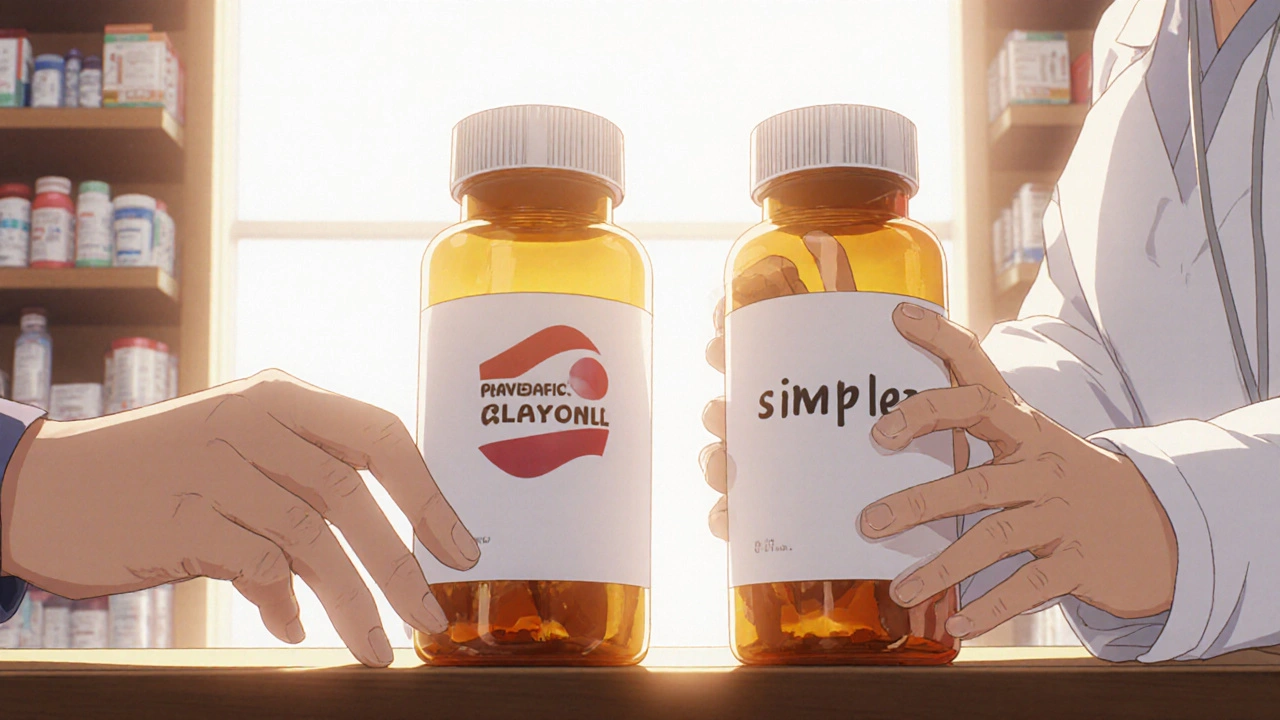
Why Does This Matter?
Most people think generics are cheaper because they’re made in cheaper factories, often overseas. But authorized generics break that mold. They’re made in the same U.S.-based, cGMP-compliant plants as the brand. The FDA’s 2022 inspection data showed that facilities making authorized generics had a 98.7% compliance rate with good manufacturing practices - higher than traditional generic manufacturers at 96.2%. That means fewer recalls. Fewer quality issues. More consistency. If you’ve ever had a generic that didn’t work the same way as your brand, it might’ve been because it was made differently. Authorized generics don’t have that problem. But here’s the twist: authorized generics aren’t always cheaper than traditional generics. Sometimes they’re priced just below the brand. Why? Because the brand company is still in control. They’re not trying to undercut the market - they’re trying to keep it. Critics, like Dr. Aaron Kesselheim from Harvard, argue this delays true generic competition. If the brand company is already selling a low-price version, why should another company bother investing millions to get an ANDA approved? The result? Fewer competitors. Higher prices overall. The FDA acknowledges the tension. Their 2023 Transparency Initiative now requires companies to disclose whether an authorized generic is made in the same facility as the brand. That change takes effect in January 2024. It’s a step toward clarity - but it doesn’t fix the bigger issue.Where Are Authorized Generics Most Common?
They’re not spread evenly across all drugs. The FDA’s Q3 2023 report shows the top three therapeutic areas for authorized generics are:- Cardiovascular medications (28%) - think blood pressure pills, cholesterol drugs
- Central nervous system drugs (22%) - antidepressants, anti-seizure meds, ADHD treatments
- Metabolic agents (18%) - diabetes medications, thyroid hormones
What’s Changing in 2025?
The biggest shift is coming with Humira. AbbVie’s $20 billion blockbuster is set to lose patent protection in 2025. And they’ve already laid the groundwork. Their subsidiary, Soliris Generics, is ready to launch an authorized generic version on day one. This isn’t an accident. It’s a strategy. AbbVie has spent years building out manufacturing capacity, securing raw materials, and training staff. They’re not waiting for competitors to come in. They’re stepping in themselves. Industry analysts at Clarivate predict a 15-20% increase in authorized generics made by wholly-owned subsidiaries by 2025. Why? Because $127 billion worth of brand-name drugs will lose patent protection in the next five years. And the companies behind them aren’t going to sit back and watch their profits vanish. The FDA’s GDUFA III rules, updated in 2023, make it easier for companies to notify the agency about authorized generics. But they haven’t changed the rules on quality. The product still has to be identical. The facility still has to be cGMP-compliant. The FDA still inspects.Should You Choose an Authorized Generic?
If you’re looking for consistency, reliability, and peace of mind - yes. Authorized generics are the closest thing to the brand-name drug you can get at a lower price. They’re not a compromise. They’re the original product, just without the brand name. Talk to your pharmacist. Ask if your prescription has an authorized generic option. If it does, and it’s covered by your insurance, there’s usually no reason not to switch. Just remember: not all generics are the same. Some are made in the same plant as the brand. Others are made in different countries, with different equipment, by different teams. Authorized generics eliminate that uncertainty. The truth? The system isn’t perfect. But when it comes to your medication, you want the same pill - not a version of it. Authorized generics give you that.Are authorized generics the same as regular generics?
No. Regular generics are made by other companies using their own processes and facilities, even if they’re bioequivalent. Authorized generics are made by the original brand company - same formula, same factory, same quality controls. The only difference is the label.
Can authorized generics be cheaper than regular generics?
Sometimes, but not always. Authorized generics are often priced just below the brand name, not necessarily below other generics. Their value isn’t always in the lowest price - it’s in the consistency and reliability. If you’ve had issues with a regular generic, an authorized version might be a better fit.
Do authorized generics go through the same FDA review as regular generics?
No. Regular generics need an Abbreviated New Drug Application (ANDA) and must prove bioequivalence. Authorized generics are approved under the original brand’s New Drug Application (NDA). That means no new bioequivalence studies - because they’re the exact same product.
Why do brand companies make authorized generics?
To keep market share. When a patent expires, other companies can make generics. But if the brand company makes its own version first, they capture part of that market. It’s a way to compete without losing control over quality or supply.
Are authorized generics safe?
Yes. They’re held to the same FDA standards as the brand-name drug. Manufacturing facilities must follow cGMP rules, and the FDA inspects them regularly. In fact, facilities making authorized generics have a slightly higher compliance rate than those making regular generics.

15 Comments
Authorized generics? More like authorized monopolies. Brand companies gaming the system under the guise of ‘quality.’
While the FDA’s oversight ensures consistency, the structural advantage granted to originators undermines true market competition. This is regulatory capture disguised as consumer benefit.
I appreciate the clarity here. It’s good to know that some generics are made in the same place as the brand. That’s reassuring when you’re taking something every day.
Of course they’re made in the same plant. The brand doesn’t want you to know they’re selling you the same pill for half the price. They’re not helping you-they’re protecting margins.
As someone who’s worked in global pharma compliance, I can confirm: the cGMP standards for authorized generics are often stricter than for traditional generics. The same inspectors, same documentation, same audit trails. It’s not marketing-it’s operational continuity.
This is the pharmaceutical equivalent of a luxury car brand selling the exact same vehicle under a no-name badge. The only difference? The price tag and the badge. And we’re supposed to be thrilled? 😤
Let’s not pretend this is about patient care. This is American pharma playing chess while the rest of the world gets checkmated. Authorized generics? More like authorized exploitation.
Man, I had no idea most of these ‘generics’ are just the brand’s own pills with different packaging. I’ve been taking them for years and never thought twice. Now I’m kinda mad I didn’t ask my pharmacist sooner. Thanks for the wake-up call.
They call it ‘authorized’ like that makes it ethical. It’s not. It’s corporate theater. And you’re all just drinking the Kool-Aid.
So… they just make the same pill and call it different? Why bother? I’m just gonna stick with the brand. Less thinking.
Brand companies are the real villains here. They don’t want competition-they want to be the only game in town. And they’ve got the FDA on speed dial.
This raises a critical question: if the FDA accepts the original NDA as sufficient for bioequivalence, why do we require ANDA submissions for other generics? The regulatory burden on independent manufacturers appears disproportionate.
They’re lying. All of it. The ‘same facility’? Probably just one machine. The rest is made in China. The FDA’s ‘inspections’? Pre-announced. You think they’d let a foreign plant pass if it wasn’t already paid off?
OMG I just asked my pharmacist and they said my blood pressure med HAS an authorized generic!! 😱 I’m switching tomorrow!! 🙌💊 #SaveMoney #NoMoreBrandTax
This is a brilliant example of strategic foresight in pharmaceutical policy. By leveraging existing manufacturing infrastructure and regulatory approvals, companies ensure continuity of supply while maintaining quality benchmarks. It’s not just about cost-it’s about reliability for chronic conditions. Patients benefit from reduced variability, and regulators gain better oversight through consolidated production. The real issue isn’t the model-it’s the lack of public awareness. We need better labeling, not more regulation.
Write a comment