
Drug Safety Alert Checker
Check Your Medication Safety
Scan your prescription bottle's QR code or enter medication name to see current safety alerts and updates.
Enter a medication name above to check current safety updates.
This tool simulates real-time safety data as described in the article.
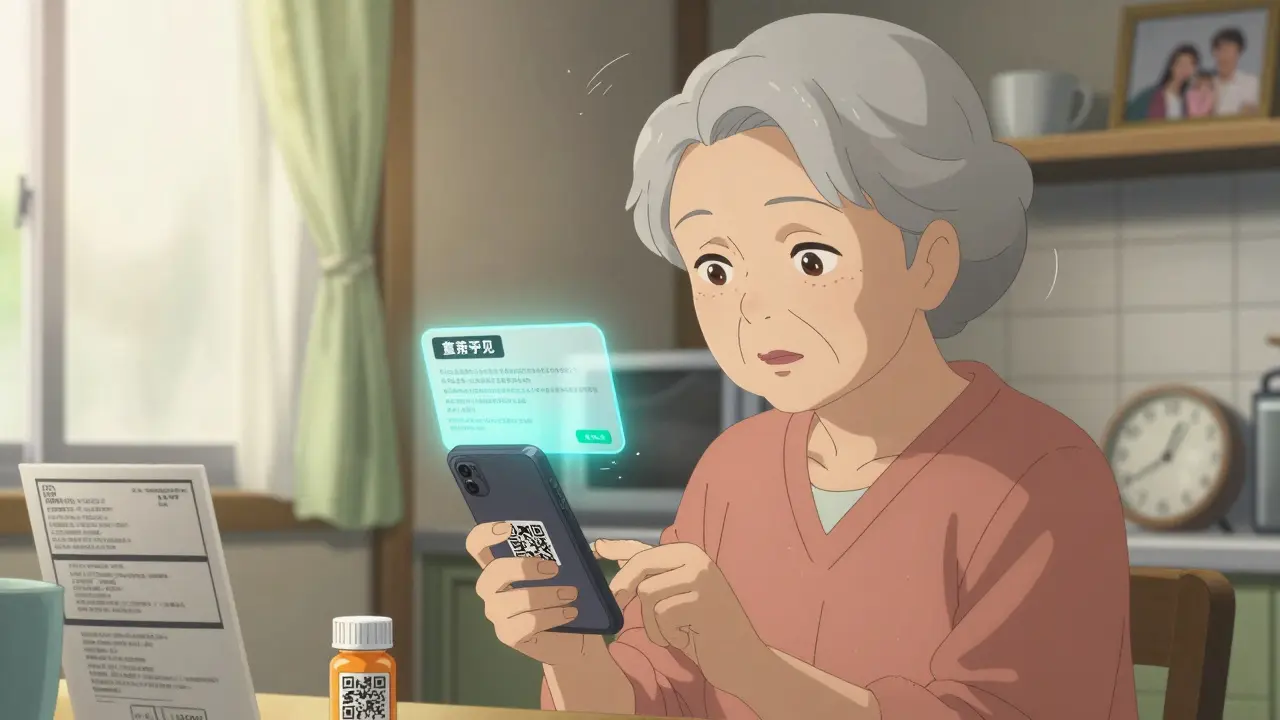
Imagine getting a critical safety alert about your medication the moment it’s issued - not weeks later, not in a dusty pamphlet you never read, but right on your phone, as soon as the FDA or EMA updates the warning. That’s not science fiction. It’s happening now, thanks to QR codes on drug labels.
Why Static Labels Are No Longer Enough
For decades, drug labels were printed in stone. Once a pill bottle left the factory, the information on its label stayed the same - even if a new study showed a dangerous interaction, or a black box warning was added. Between 2013 and 2023, over 225 new black box warnings were issued globally for prescription drugs. Each one required manufacturers to reprint millions of labels, ship them to warehouses, repackage drugs, and retrain pharmacists. By the time the update reached your pharmacy, it could be six months later. That delay cost lives. Emergency responders couldn’t always access the latest contraindications. Elderly patients missed new dosage changes. Nurses gave the wrong drug because the label hadn’t been updated after a recall. Printed labels are reliable, but they’re slow. And in medicine, slow can be deadly.How QR Codes Fix the Problem
QR codes on drug labels solve this by turning static text into dynamic content. Scan the code on your prescription bottle, and you’re taken directly to the manufacturer’s official, up-to-date safety page - hosted securely in the cloud. No printing. No shipping. No delays. These aren’t simple static codes. They’re dynamic QR codes, linked to centralized content management systems. When the FDA issues a new warning, the manufacturer updates the webpage behind the code. Every scan, from then on, pulls the latest version. No need to change the physical label. No need to recall bottles. The information updates in real time. The technology also ties into pharmacovigilance systems. If you scan the code and report a side effect, that data flows directly into the manufacturer’s safety database. Pharmacies use the same system to verify lot numbers and expiration dates - cutting down counterfeit drugs. In military pharmacies in the U.S., QR codes replaced printed inserts entirely in 2022, reducing errors by 32% in pilot programs.Who’s Using This Right Now?
Spain was the first to officially allow QR codes on drug labels in 2021, under strict regulatory oversight. The UK followed in 2024, updating its ABPI Code of Practice to permit QR codes in promotional and prescribing materials. Now, major pharmaceutical companies across Europe are rolling them out - from Novo Nordisk to Roche. In the U.S., adoption is growing faster than regulators are catching up. Military hospitals, VA clinics, and large hospital chains like Kaiser Permanente have started using QR codes on discharge medications. Private pharmacies in states like California and New York are testing them too. The trend is clear: digital labeling is no longer optional. It’s becoming the standard. Even in countries without formal regulations, companies are using QR codes to stay ahead. Why? Because patients expect it. Pharmacists demand it. And regulators are watching closely.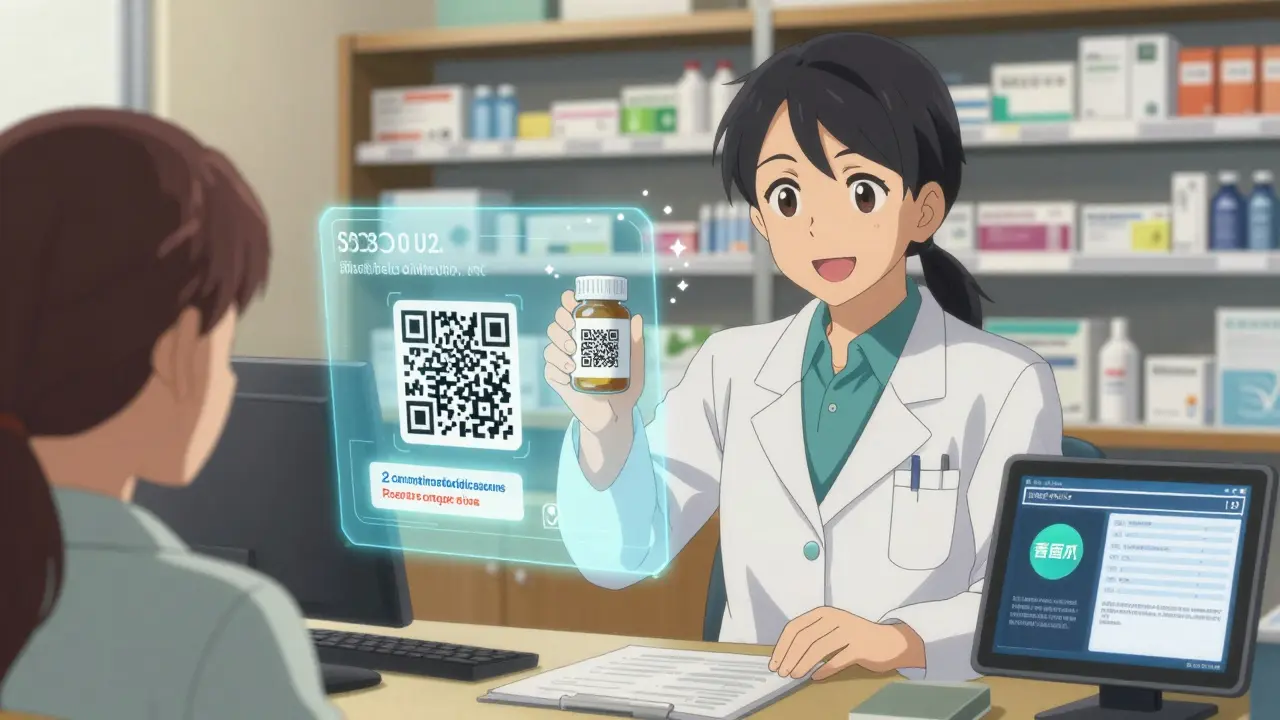
What’s on the Other Side of the Scan?
Scanning a QR code on a drug label doesn’t just show you the same old leaflet. It gives you access to:- Current prescribing information (SmPC or PI)
- Latest black box warnings and contraindications
- Drug interaction alerts specific to your other medications
- Step-by-step administration guides (for injectables, inhalers, patches)
- Real-time recall notices
- Multilingual versions (automatically detected by your phone’s language)
- Direct links to report adverse events
Who Benefits the Most?
Patients get clearer, more accurate information without needing to decipher tiny print or remember vague instructions from a rushed pharmacist. A 2024 study found that patients using QR code-linked ePILs (electronic patient information leaflets) understood their medication regimens 40% better than those relying on paper. Pharmacists save time. Instead of explaining the same warning to 20 people a day, they can say, “Scan this - it’s updated every time there’s a change.” Eighty-five percent of pharmacy staff surveyed prefer digital reporting for adverse events over paper forms. Regulators get better data. Real-time safety reports flow in faster, helping spot emerging risks before they become epidemics. Audit trails built into the system show exactly who accessed what, when - a goldmine for compliance.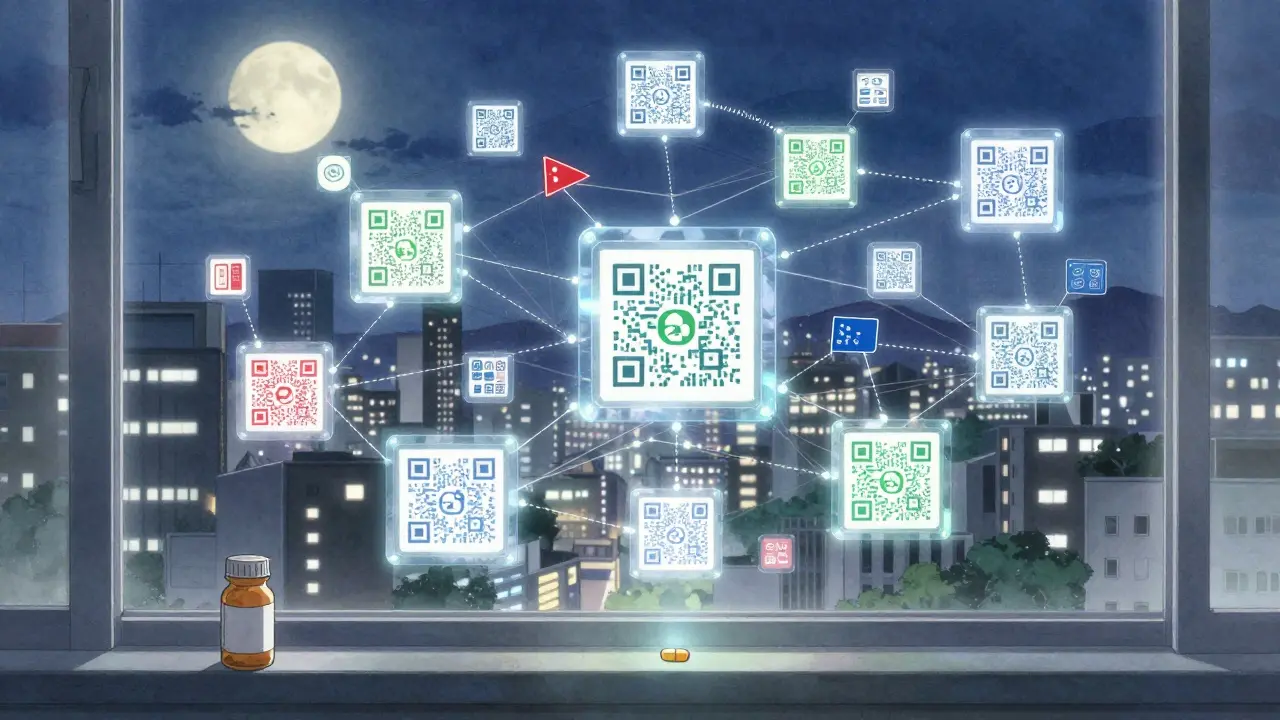
The Downsides - And How They’re Being Fixed
Not everyone has a smartphone. Not everyone can use one. In rural clinics and nursing homes, elderly patients often struggle. One user on HackerNews reported visiting three rural clinics where 60% of patients couldn’t access the QR code info because they didn’t own a phone or didn’t know how to scan one. This isn’t a dealbreaker - it’s a design flaw. The solution? Hybrid systems. Leading companies now print a short, clear summary on the label - “Scan for full safety info” - alongside the QR code. Pharmacies offer free scanning stations. Community health workers carry portable scanners. Hospitals train family members to help. Privacy is another concern. Is your scan data being tracked? Yes - but only in ways that improve safety. The system logs that a QR code was scanned, not who scanned it. No personal identifiers are collected unless you choose to report a side effect. All data follows GDPR and HIPAA rules. Encryption is built in. Counterfeit prevention is built in too - each code links to a verified manufacturer database.What’s Next?
By 2025, QR codes will be standard on nearly all new prescription drugs in Europe and North America. The next wave includes integration with AI. Imagine your phone scanning the code and instantly flagging: “You’re on this drug and also taking aspirin - risk of bleeding increased by 40%.” That’s already being tested in pilot programs. Unique Device Identifiers (UDIs) will soon be paired with QR codes on injectables and implants, creating a full digital trail from factory to patient. Multilingual content will auto-adjust based on your location or phone settings. Apps like MyDoses will sync QR scans with your medication calendar, sending reminders and safety alerts. The goal isn’t just to update labels. It’s to build a living safety network - where every drug, every patient, every provider is connected in real time.Is This Really Safe?
Yes - and here’s why. Unlike random websites or third-party apps, QR codes on drug labels point to official, regulated content hosted by the manufacturer under strict compliance rules. The content is reviewed by regulatory affairs teams, audited for accuracy, and version-controlled. Every change is tracked. Every scan is logged. No one can tamper with it. The European Federation of Pharmaceutical Industries and Associations (EFPIA) has laid out clear guidelines. The UK’s ABPI code requires codes to be scannable, clear, and linked only to approved information. In the U.S., the FDA is actively reviewing proposals to make QR codes mandatory for new drugs by 2027. This isn’t a gimmick. It’s the future of medication safety - and it’s already here.Can I still read the drug information without a smartphone?
Yes. All drug labels with QR codes also include a printed summary with essential safety information, dosage instructions, and warnings. Pharmacies are required to provide printed copies upon request. Many also have tablets or kiosks available for patients who need help scanning.
Are QR codes on drug labels secure?
Yes. QR codes link directly to encrypted, manufacturer-hosted pages that are verified by regulatory agencies. The system uses authentication to prevent fake links. No personal data is collected unless you voluntarily report a side effect. The codes cannot be altered or redirected once printed - they’re tied to secure cloud servers.
Do QR codes replace the printed patient information leaflet?
No - they enhance it. The printed leaflet remains, but now it’s supplemented with live updates. The QR code gives you the most current version, including any new warnings issued after the bottle was printed. This ensures you always have access to the latest safety data without needing a new physical label.
Can I use the QR code to report a side effect?
Yes. Many QR codes on drug labels include a direct link to a secure form for reporting adverse reactions. This data goes straight to the manufacturer’s pharmacovigilance team and often to national safety databases like the FDA’s MedWatch or EMA’s EudraVigilance. It’s faster and more accurate than calling a hotline or mailing a form.
Why aren’t QR codes mandatory everywhere yet?
Regulatory approval takes time. While the UK and Spain have approved them, other countries are still reviewing guidelines. In the U.S., the FDA hasn’t made them mandatory yet, but they’re actively encouraging adoption. The main barrier isn’t technology - it’s harmonizing rules across countries, ensuring digital access for all patients, and training healthcare workers.
14 Comments
Wow. This is the kind of innovation that actually saves lives-not just another tech gimmick. I scanned my dad’s blood thinner last week and got a real-time alert about a new interaction with his fish oil supplement. He’s 78. He doesn’t use apps. But he scanned it on my phone-and we both learned something. That’s powerful.
Information is power. But power without access is just noise. QR codes don’t solve inequality-they expose it.
You guys are acting like this is some breakthrough when every major pharma has been using dynamic labeling since 2020. The FDA just hasn't mandated it yet because they're still stuck in the 20th century. Also the multilingual auto-detect feature? That's just Google Translate with a fancy wrapper. Don't act like you're pioneering anything.
so we're gonna scan qr codes to not die but also not have phones? cool plan bro
This isn't innovation-it's a corporate PR stunt wrapped in a safety blanket. They're not doing this for you. They're doing it because they can track your behavior, monetize your health data, and shift liability onto your smartphone. And don't get me started on how many elderly people will die because their phone died mid-scan. This is dystopia with a QR code sticker.
im just glad someone finally got tired of printing millions of paper inserts that no one reads anyway. i work in a pharmacy and this has cut down so many confused patients. even my grandma asked me to scan hers last week. she’s 82. she did it perfectly. it’s not perfect but it’s better.
Imagine if every drug label had this. Imagine if every hospital had scanning stations. Imagine if your grandma didn’t have to rely on her son to read the tiny print. This isn’t just tech-it’s dignity. And it’s already working. Let’s not wait for the bureaucracy to catch up. Let’s push for it. We can do this.
in india we dont have smartphones for everyone but still we need this. maybe the government can put qr scanners in community clinics. not everyone can scan but everyone can benefit. its not about the tech. its about the access.
Let me break this down for anyone confused: QR codes on drug labels are dynamic, encrypted, FDA-compliant, and linked to real-time pharmacovigilance databases. They don’t replace printed inserts-they augment them. The system uses TLS 1.3 encryption, blockchain-backed versioning, and ISO 15118-2017 compliance standards. If your pharmacy doesn’t have a scanning station, ask for one. It’s your right.
why is it so hard to just give people paper? i get it tech is cool but my aunt cant even turn on her tablet. now we gotta train her to scan a code? nah. just give her the paper. or better yet-have the pharmacist read it to her. no tech needed. just kindness.
They’re not doing this to help you. They’re doing this so they can track every single person who takes their drugs. Every scan. Every report. Every time you check your meds. This is surveillance dressed up as safety. And the FDA? They’re in bed with Big Pharma. Wake up.
you know what? this actually makes me feel safer. i’ve had bad reactions before and i didn’t know if it was the drug or something else. now i can scan and report in under a minute. no forms. no waiting. just tap and send. and the pharmacy staff? they’re way less stressed. it’s a win.
QR codes? On medicine? Yeah right. Next they'll be embedding microchips in the bottles. You think this is about safety? It's about control. Who owns the server? Who can shut it down? What happens if the cloud goes down during a cardiac emergency? This isn't progress-it's a vulnerability waiting to be exploited.
People act like this is revolutionary but it’s just capitalism doing what it does best-turning basic human needs into branded experiences. You used to get information. Now you get a ‘digital experience.’ You used to get a leaflet. Now you get a login portal. And if you can’t scan? Too bad. You’re not part of the future. You’re just outdated. And that’s fine. The system doesn’t need you.
Write a comment