
Waking up with a stuffy nose and a headache doesn't automatically mean you need pills from the pharmacy. In fact, most cases of sinusitis is inflammation of the nasal cavity and paranasal sinuses caused by viruses, not bacteria. Yet, millions of people still grab an antibiotic prescription for what is actually a common cold. The real challenge isn't just feeling better; it's knowing when to wait it out and when to treat it medically. Getting this distinction wrong can lead to unnecessary medication side effects or, worse, contribute to global drug resistance. This guide breaks down the specific signs that separate a viral bug from a bacterial invasion, so you can make informed decisions about your care.
The Core Difference: Viruses vs. Bacteria
To understand why treatment differs, you have to look at the culprit. Viral sinusitis is an infection caused by viruses, typically following a common cold, accounting for 90-98% of acute cases. These viruses, often rhinoviruses or coronaviruses, trigger inflammation as part of your immune system's natural response. They don't respond to antibiotics because antibiotics only kill bacteria, not viruses. On the other hand, Bacterial sinusitis is a less common condition (2-10% of cases) where bacteria like Streptococcus pneumoniae colonize the inflamed sinuses. This usually happens when mucus gets trapped in the sinuses due to prior viral swelling, creating a breeding ground for bacteria. The key takeaway here is that the vast majority of sinus issues are self-limiting viral events that will resolve on their own with time and supportive care.
How to Tell Which One You Have
Diagnosing yourself at home relies heavily on timing and symptom progression. Medical guidelines, such as those from the American Academy of Otolaryngology, highlight specific patterns that help differentiate the two. Here is what to look for:
- Duration: Viral symptoms typically peak around days 3-5 and start improving by day 7-10. If your symptoms last longer than 10 days without getting better, it’s a strong indicator of a bacterial infection.
- The "Double-Worsening" Pattern: This is a classic sign of bacterial sinusitis. Your cold seems to be getting better around day 5, but then suddenly worsens again with higher fever or more severe pain. This secondary spike suggests bacteria have taken hold.
- Nasal Discharge: Clear or white mucus is typical for viral infections. Thick, yellow-green pus that persists for more than 3-4 days points toward a bacterial cause.
- Fever: A low-grade fever is common in both, but a high fever above 102°F (38.9°C) lasting more than 3 days is more indicative of a bacterial fight.
It’s also worth noting that unilateral facial pain (pain on only one side) and maxillary tooth pain are more specific to bacterial infections. While these signs are helpful, they aren't perfect diagnostic tools on their own. That’s why tracking your symptoms over time is crucial before rushing to see a doctor for a prescription.
Treatment Strategies for Viral Sinusitis
If you’re dealing with a viral case, the goal is comfort while your immune system does the heavy lifting. There is no cure for the virus itself, so treatment focuses on managing symptoms. Evidence-based supportive care includes several effective strategies:
- Hydration: Drink at least 2-3 liters of fluids daily. Staying hydrated helps thin the mucus, making it easier to drain from your sinuses.
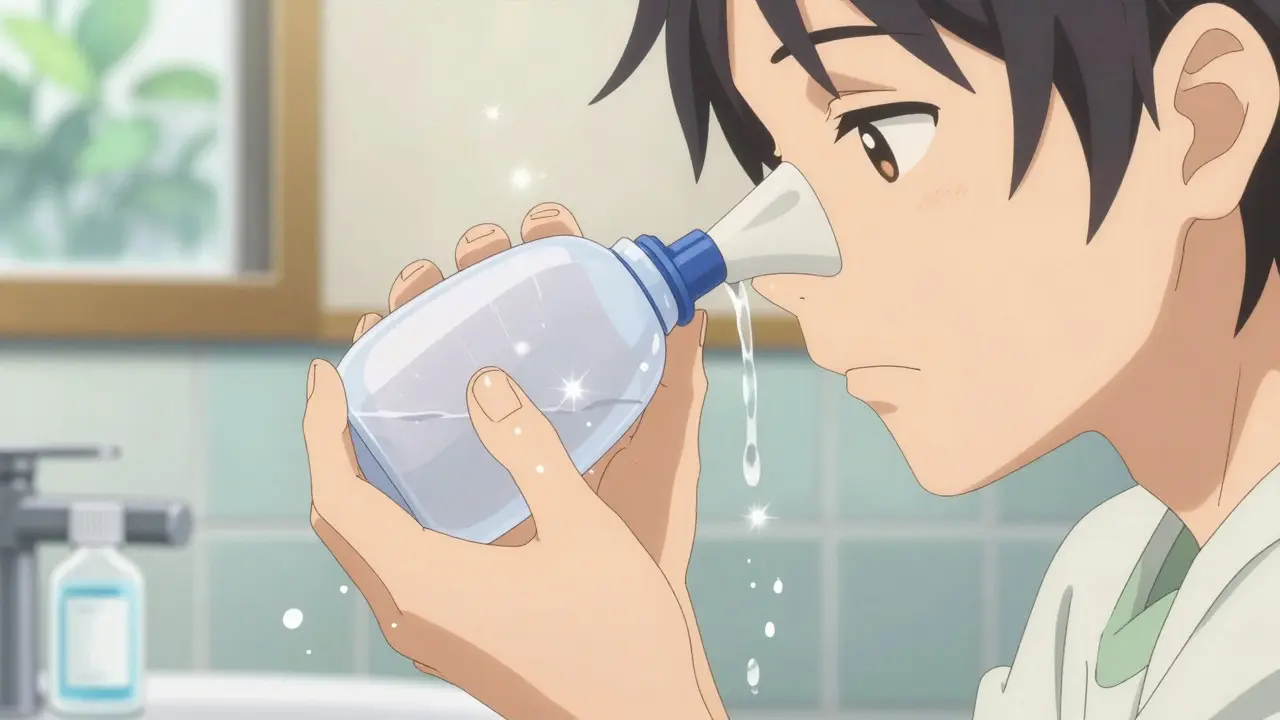
- Nasal Irrigation: Using a neti pot or saline spray 2-3 times a day can flush out irritants and reduce swelling. Studies show that proper technique significantly improves drainage and comfort.
- Pain Management: Over-the-counter analgesics like acetaminophen (650-1000mg every 6 hours) or ibuprofen (400-600mg every 6 hours) can relieve facial pressure and headaches.
- Humidification: Keeping indoor humidity between 40-60% prevents your nasal passages from drying out, which can exacerbate irritation.
Many patients find that combining these methods provides relief comparable to medication, without the risk of side effects. It’s important to resist the urge to take leftover antibiotics from a previous illness, as this offers no benefit for a current viral infection and contributes to resistance.

When Antibiotics Are Actually Needed
Antibiotics are not useless; they are just often misused. For confirmed bacterial sinusitis, they can shorten the duration of illness and prevent complications. However, they should be reserved for specific scenarios. Doctors generally recommend antibiotics if symptoms persist beyond 10 days, if there is a double-worsening pattern, or if severe symptoms (high fever, severe pain) last more than 3-4 days.
When prescribed, the first-line treatment is typically Amoxicillin is a penicillin-type antibiotic commonly used as the first-line treatment for bacterial sinusitis, usually 500mg three times daily for 5-10 days. If you’ve had recent antibiotic exposure or live in an area with high rates of resistant bacteria, your doctor might prescribe Amoxicillin-clavulanate is a combination antibiotic that covers a broader range of bacteria, including those resistant to amoxicillin. It’s critical to finish the full course if prescribed, even if you feel better, to ensure all bacteria are eliminated. Avoid macrolides like azithromycin as a first choice, as resistance rates for common sinus pathogens exceed 30%, making them less effective.
Risks of Overusing Antibiotics
Why do doctors hesitate to prescribe antibiotics immediately? Because overuse has tangible downsides. The World Health Organization identifies antimicrobial resistance as a major global health threat. Every unnecessary dose contributes to bacteria evolving defenses against the drugs we rely on. Beyond the public health impact, individual patients face risks like gastrointestinal distress, allergic reactions, and specifically, Clostridioides difficile is a bacterium that causes severe diarrhea and colitis, often triggered by antibiotic use disrupting gut flora. C. diff infection has a recurrence rate of 15-30% and can be life-threatening in vulnerable populations. Furthermore, studies indicate that for early sinusitis (less than 10 days), antibiotics provide only modest benefit compared to placebo, meaning many patients endure side effects for little gain.
Comparison of Viral and Bacterial Sinusitis
| Feature | Viral Sinusitis | Bacterial Sinusitis |
|---|---|---|
| Prevalence | 90-98% of acute cases | 2-10% of acute cases |
| Typical Duration | 7-10 days with improvement | >10 days or double-worsening |
| Nasal Discharge | Clear or white | Purulent (yellow-green) |
| Fever | Low-grade or absent | Often >102°F (38.9°C) |
| Primary Treatment | Supportive care (hydration, saline) | Antibiotics (e.g., Amoxicillin) |
Practical Tips for Managing Symptoms
Whether viral or bacterial, keeping track of your progress helps you decide when to seek medical attention. Consider using a simple symptom diary. Note the date, severity of pain (on a scale of 1-10), and the color of your discharge. This data is invaluable when speaking with a healthcare provider. It removes guesswork and helps determine if you’re hitting the 10-day mark or experiencing a worsening trend. Additionally, learn proper nasal irrigation techniques. Many people struggle with the angle or water temperature initially. Watching a demonstration video can help you master the technique within a few sessions, ensuring you get the full benefit of flushing out mucus. Remember, patience is a powerful tool in fighting sinus infections. Most cases resolve without intervention, and waiting a few extra days rarely leads to serious complications if you monitor for red flags like vision changes or severe headaches.
Frequently Asked Questions
Do I need a CT scan to diagnose sinusitis?
Usually, no. Diagnosis is primarily clinical, based on your symptoms and physical exam. CT scans are reserved for cases that fail initial treatment or show signs of complications. Imaging can show abnormalities in healthy adults, leading to overdiagnosis if used routinely.
Is it safe to wait 10 days before seeing a doctor?
For most mild cases, yes. Guidelines suggest waiting until symptoms persist beyond 10 days or worsen after initial improvement. However, seek immediate care if you develop high fever, severe headache, vision changes, or stiff neck, as these may indicate serious complications.
Can stress cause sinusitis?
Stress doesn't directly cause sinusitis, but it can weaken your immune system, making you more susceptible to viral colds. Since most sinusitis starts as a viral cold, indirect links exist. Managing stress supports overall immune health but isn't a direct cure for existing sinus inflammation.
What is the best antibiotic for sinusitis?
Amoxicillin is generally the first-line choice for uncomplicated bacterial sinusitis. If you have allergies or recent antibiotic use, amoxicillin-clavulanate may be preferred. Always follow your doctor's specific prescription based on local resistance patterns and your medical history.
Does nasal irrigation really work?
Yes, saline nasal irrigation is an evidence-based treatment. It helps clear mucus, reduces inflammation, and improves ciliary function. It is recommended for both viral and bacterial sinusitis as part of supportive care. Consistency is key for best results.