Have you ever opened your fridge and wondered if that vial of medicine is actually safe to use? It’s a scary thought. You rely on these drugs to manage chronic conditions like diabetes or autoimmune disorders, but the wrong temperature can turn them into expensive, ineffective sugar water. The truth is, about 15% to 20% of commonly prescribed medications need strict refrigeration to work. If you’re storing them in the door shelf or letting them freeze next to an ice pack, you might be compromising your health without even knowing it.
This isn't just about keeping things cool; it's about precision. We are going to break down exactly how to store these sensitive drugs at home, what happens when they get too hot or cold, and how to dispose of them safely when they expire. No medical jargon, just clear steps to keep your meds potent and your health protected.
The Goldilocks Zone: Understanding Temperature Requirements
Most people think "refrigerator" means anywhere inside the box. But for pharmaceuticals, location matters immensely. According to the U.S. Pharmacopeia (USP) Chapter <1079>, which sets the standard adopted by the FDA and WHO, refrigerated medications must stay between 2°C and 8°C (36°F to 46°F). This narrow window is critical. Below this range, proteins in biologics can denature (break apart). Above it, chemical degradation accelerates rapidly.
Here is the problem with your average household fridge: it’s not built for medicine. A 2022 study in the Journal of the American Pharmacists Association found that while the back shelves often hit the sweet spot of around 3.4°C, the door shelves average a warm 11.3°C. That’s well outside the safe zone. Every time you open the door, warm air rushes in, causing temperature spikes. If you leave your insulin or biologic injections in the door, you are likely exposing them to temperatures that degrade their potency over time.
| Storage Location | Avg Temp (°C) | Safety Status |
|---|---|---|
| Fridge Door Shelf | 11.3°C | Unsafe (Too Warm) |
| Main Compartment (Back) | 3.4°C | Safe (Ideal Range) |
| Freezer Section | -18°C | Dangerous (Causes Freezing) |
| Car Dashboard (Summer) | 40°C+ | Critical Failure |
Dr. Robert99, a medication safety officer at Baystate Health, puts it bluntly: "Both excessive heat and cold can have significant impact on how well medications do their job." For a daily vitamin, maybe it doesn’t matter. For a heart medication or asthma inhaler, it could be fatal.
Which Medications Need the Cold Treatment?
Not every pill needs a chill. Most antibiotics, blood pressure meds, and cholesterol drugs are fine at room temperature (15°C to 30°C). The ones that demand refrigeration are usually complex biological compounds. Here are the big categories you need to watch:
- Insulin Products: Unopened insulin pens and vials must be refrigerated (2°C-8°C). Once you start using a pen, it can typically sit at room temperature for 28-30 days. However, never put the *in-use* pen back in the fridge-it causes painful injections and inconsistent absorption.
- Vaccines: These are extremely sensitive. MMR vaccines, for example, last 24 months when refrigerated but only 7 days at room temperature. They require strict adherence to the 2°C-8°C range with zero exceptions.
- Biologics (e.g., Remicade®, Enbrel®): Used for autoimmune diseases like rheumatoid arthritis. Some, like infliximab, can tolerate room temperature (up to 30°C) for short periods (up to 6 months), but freezing destroys them instantly.
- Certain Antibiotics: Liquid suspensions, especially those reconstituted from powder, often require refrigeration after mixing to prevent bacterial growth and chemical breakdown.
If you aren't sure, check the label. Look for phrases like "Store below 8°C" or "Keep Refrigerated." If the label says "Room Temperature," don't refrigerate it-some meds actually degrade faster when cold.
The Danger of Freezing: Why Ice Is Your Enemy
We tend to think colder is better, but for biologics, freezing is catastrophic. When protein-based medications freeze, ice crystals form inside the solution. These crystals physically tear apart the molecular structure of the drug. Once thawed, the medication looks normal, but it no longer works.
This is a common mistake during travel or power outages. People wrap their meds in ice packs to keep them cool, forgetting that direct contact with ice can drop the local temperature below 0°C. Even brief exposure to freezing temps can cause irreversible damage. Studies show that some biologics lose 50% of their potency after just 24 hours at 25°C, but freezing kills them completely.
How do you know if your med froze? Sometimes there are visible clues: cloudiness, clumping, or particles floating in the liquid. Insulin that has frozen may look crystalline or slushy. If you suspect freezing, throw it away. Do not risk your health on a gamble. As one Reddit user noted, "Once frozen, insulin is permanently damaged-thawing doesn't restore efficacy."
Practical Storage Hacks for Home Users
You don’t need a $2,500 pharmaceutical-grade fridge to store your meds safely, but you do need strategy. Here is how to set up your kitchen fridge correctly:
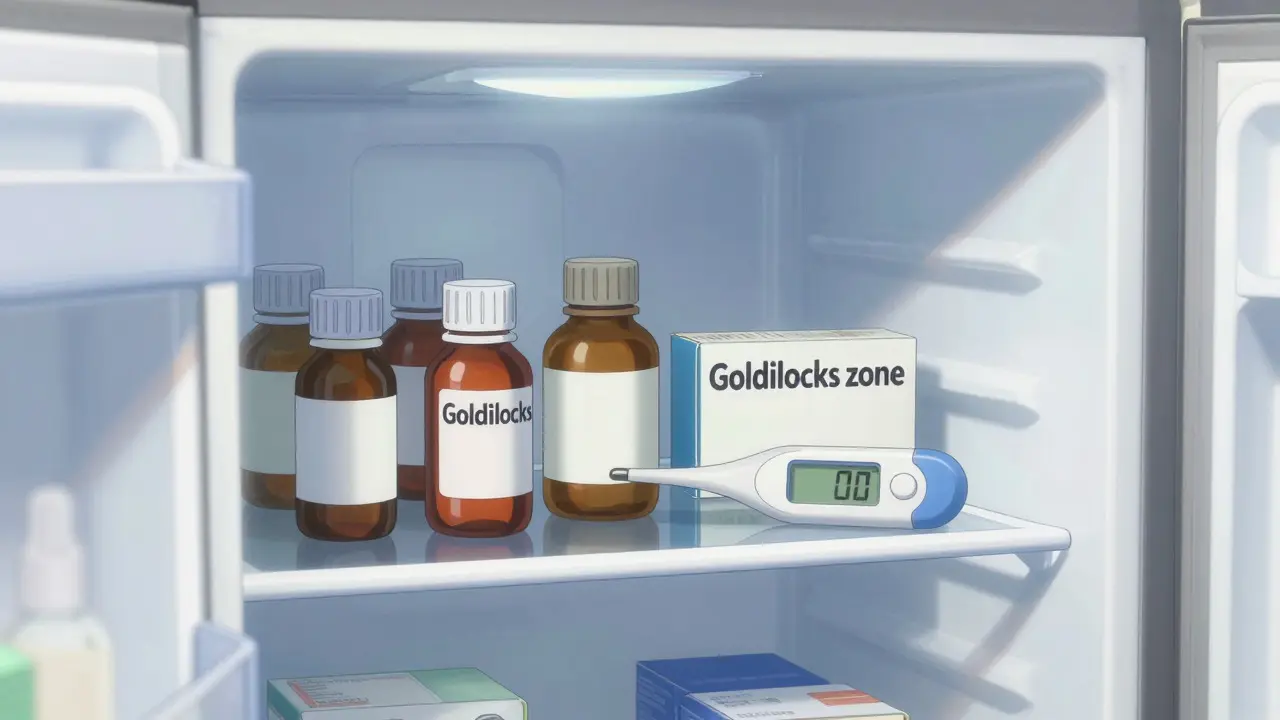
- Move Away from the Walls: Place your medications in the middle of the main compartment, toward the back. Avoid the very bottom where it might touch the cooling element, and avoid the top where warm air settles.
- Ditch the Door: Never store temp-sensitive meds in the door bins. That area fluctuates wildly every time you grab milk.
- Use a Dedicated Container: Keep meds in their original boxes or a dedicated plastic bin. This protects them from spills and helps maintain a micro-climate that buffers against minor temperature swings.
- Monitor the Temp: Buy a cheap digital thermometer with a min/max memory function ($25-$75). Stick it in the fridge near your meds. Check it once a week. If the max temp reads above 8°C (46°F), investigate why (maybe the door seal is broken).
- Backup Plan for Outages: If the power goes out, keep the fridge door closed. An unopened fridge keeps food safe for about 4 hours. For meds, transfer them to an insulated cooler with gel packs (not ice!) immediately if the outage lasts longer than an hour.
For travelers, consider validated insulated containers like TempAid MediCools, which can maintain the 2°C-8°C range for up to 48 hours without active cooling. This is crucial because leaving insulin in a car for just two hours at 85°F (29°C) can spike blood sugar levels dangerously high, as reported by many patients in diabetes forums.
When to Toss It: Disposal Guidelines
Proper storage extends shelf life, but nothing lasts forever. Expired or compromised medications pose risks if left lying around, especially for children or pets. Here is how to handle disposal:
1. Check for Take-Back Programs The safest way to dispose of most medications is through a drug take-back program. Many pharmacies, hospitals, and law enforcement agencies host collection kiosks. The DEA also sponsors National Prescription Drug Take Back Days. This ensures the drugs are incinerated professionally.
2. Household Trash Method (If No Take-Back Available) If you can't find a take-back site, the FDA recommends flushing only specific dangerous drugs (like opioids) that list flushing instructions. For most other refrigerated meds:
- Mix the medication with an unappealing substance like dirt, cat litter, or used coffee grounds.
- Place the mixture in a sealed container or plastic bag.
- Throw it in your household trash.
- Scratch out personal information on the prescription label before discarding the bottle.
3. Don't Pour Down the Drain Avoid pouring pills or liquids down the sink or toilet unless specifically instructed. This contaminates water supplies and affects aquatic ecosystems. Only flush if the medication guide explicitly says so due to high abuse potential.
Traveling with Refrigerated Meds
Travel adds a layer of complexity. Airports, cars, and hotels are not climate-controlled environments. Here is your checklist for traveling with cold-chain meds:
- Carry-On Only: Never check luggage with medications. Cargo holds can reach extreme temperatures. Keep meds in your carry-on bag.
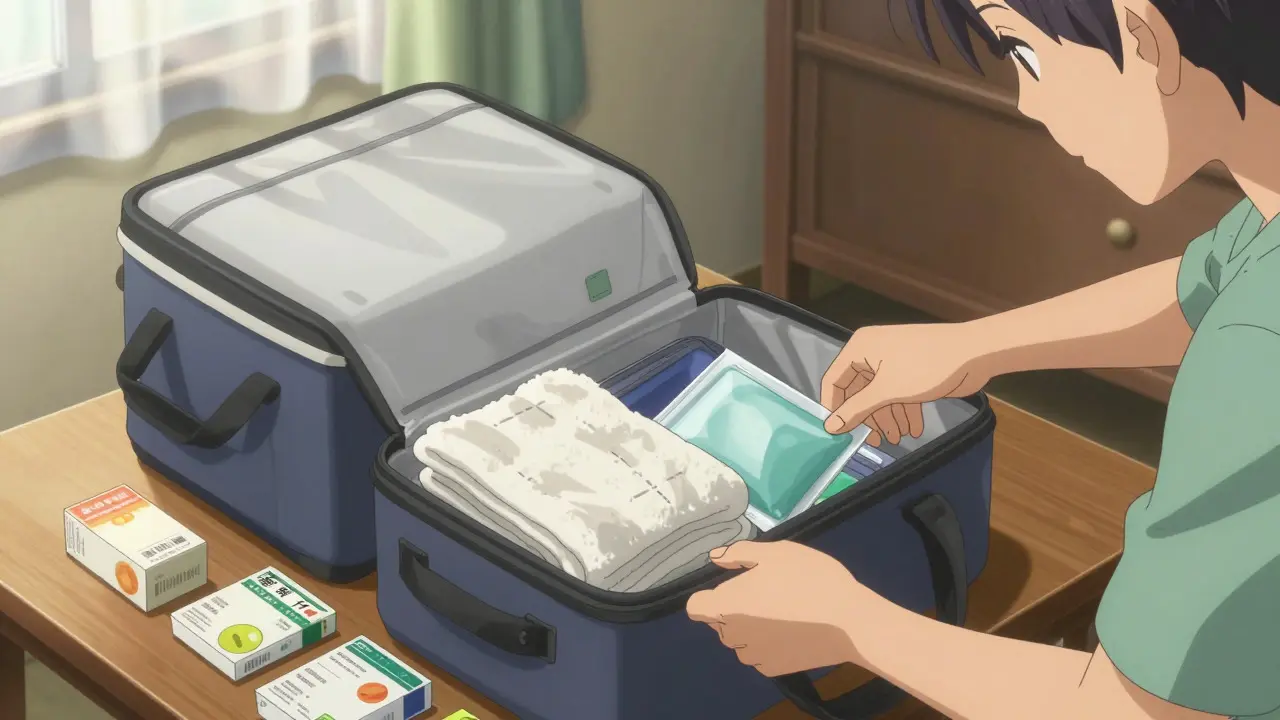
- Insulated Bag + Gel Packs: Use a soft-sided cooler bag. Freeze gel packs the night before, but let them thaw slightly so they are cold but not solid ice. Wrap meds in a towel to buffer direct contact with the packs.
- TSA Notification: Inform TSA officers that you have medically necessary liquids/gels. You may need to screen them separately. Bring a copy of your prescription or a doctor’s note just in case.
- Hotel Strategy: Upon arrival, ask for a hotel room with a mini-fridge. Test the temperature with your thermometer. If it’s too warm, ask for a new room or use your insulated bag as a temporary holding unit until you can secure proper storage.
Remember, Novo Nordisk recently announced that newer insulin formulations can withstand higher temperatures (up to 37°C) for short periods (7 days). Always check the latest manufacturer guidelines, as stability data improves over time. But when in doubt, keep it cool.
FAQ: Common Questions About Refrigerated Meds
Can I freeze my insulin if I'm running out of fridge space?
No, never freeze insulin. Freezing damages the protein structure, rendering it ineffective. Store it in the main body of the refrigerator, ideally on a middle shelf away from the walls and door.
How long can refrigerated medication sit out at room temperature?
It depends entirely on the drug. Insulin pens can usually stay out for 28-30 days after first use. Vaccines generally cannot leave the fridge at all. Biologics like Remicade may tolerate room temp for weeks or months. Always check the package insert or ask your pharmacist for the specific "out-of-refrigeration" limit.
What should I do if my power goes out and the fridge warms up?
Keep the fridge door closed to retain cold air. If the outage lasts more than 4 hours, move medications to an insulated cooler with gel packs. Monitor the temperature with a thermometer. If the temp exceeds 8°C (46°F) for more than a few hours, contact your pharmacist to see if the meds are still viable. When in doubt, replace them.
Is it safe to store meds in the refrigerator door?
Generally, no. The door is the warmest part of the fridge and experiences the most temperature fluctuation every time it opens. Studies show door shelves can average 11.3°C, which is above the recommended 2°C-8°C range for most refrigerated drugs. Move them to the back shelf.
How do I know if my medication has been damaged by heat or cold?
Look for physical changes: cloudiness, clumping, discoloration, or particles in liquid solutions. Insulin that has frozen may appear crystalline. However, some damage is invisible. If you suspect a temperature excursion (exposure to extreme heat or cold), consult your pharmacist before using it. Safety comes first.