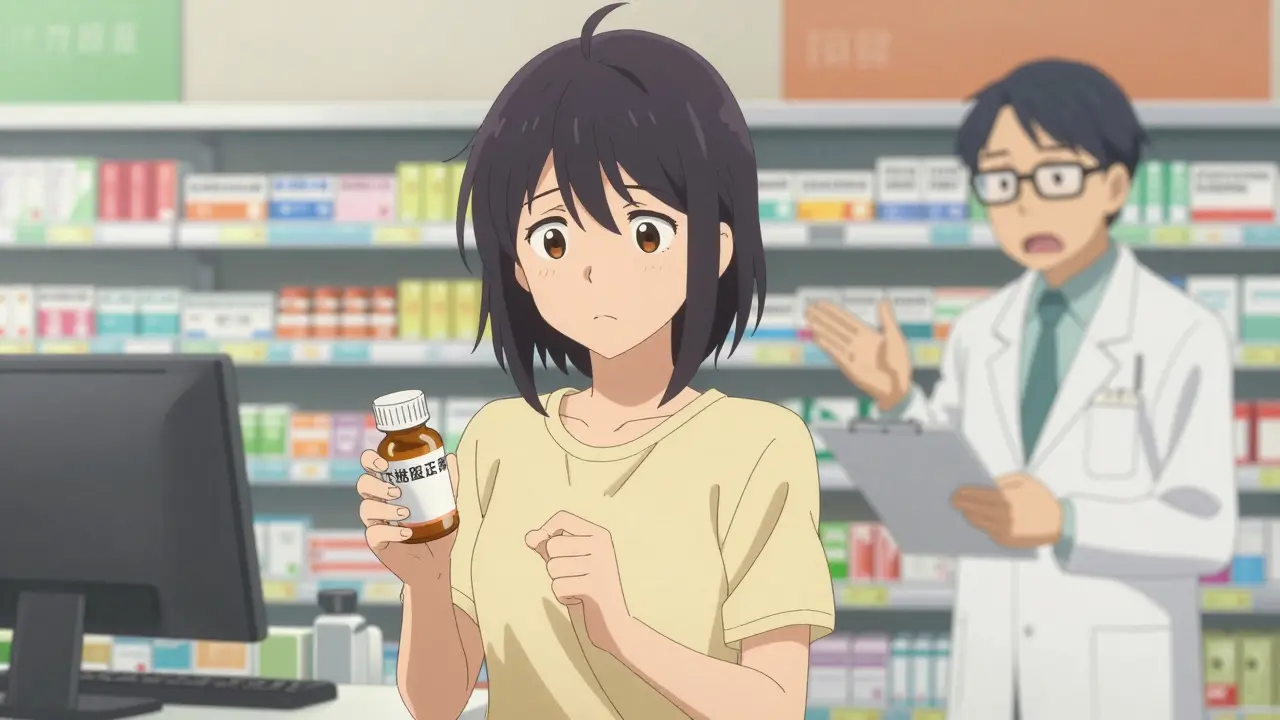
Imagine walking out of a pharmacy with a prescription for generic metformin, a standard, low-cost treatment for type 2 diabetes that has been available for decades. Instead of paying your usual copay, the pharmacist tells you the insurance won't cover it yet. They need "prior authorization." You are confused. Isn't this supposed to be the cheap option? This counterintuitive scenario is becoming increasingly common in the United States healthcare system.
Prior authorization (PA) is a utilization management tool used by health insurers and pharmacy benefit managers (PBMs) requiring physicians to obtain approval before a specific medication is covered. Historically, we associated PA with expensive brand-name or specialty drugs. However, recent data reveals a significant shift. According to a 2024 analysis by the Generic Pharmaceutical Association, generic medications now face prior authorization requirements in 15-20% of cases. This is a stark increase from just 5% in 2018. For patients and providers, this administrative hurdle adds complexity to accessing basic care.
Why Do Insurers Require Prior Authorization for Cheap Drugs?
The logic behind requiring approval for a drug that costs pennies compared to its brand-name counterpart often seems flawed. To understand why this happens, we need to look at how insurance formularies work. A formulary is the list of drugs an insurance plan covers. Insurers use prior authorization not just to save money on the drug itself, but to manage clinical outcomes and steer prescribing habits.
There are three primary reasons insurers apply PA to generics:
- Step Therapy Protocols: Many plans require patients to try one generic medication before approving another. For example, if you are prescribed a second-line generic antihypertensive, the insurer may demand proof that you tried and failed on a first-line generic like lisinopril. The PA ensures you follow this "fail-first" pathway.
- Therapeutic Class Restrictions: Some generic classes, such as immunosuppressants or certain psychiatric medications, have strict monitoring requirements. Insurers use PA to verify that a specialist is managing the condition, reducing the risk of adverse events.
- Duplicate Therapy Prevention: If a patient sees multiple specialists who each prescribe a generic version of the same class of drug, PA helps prevent dangerous overlaps or unnecessary polypharmacy.
Dr. Mark A. Doolittle, Senior Vice President at America's Health Insurance Plans (AHIP), argues that these measures ensure patients receive clinically appropriate treatment while controlling cost growth. However, critics like Dr. Robert W. Dubois of the National Pharmaceutical Council contend that expanding PA to generics undermines their cost-saving purpose and creates unnecessary administrative burden.
The Impact on Patients and Providers
The friction caused by prior authorization extends far beyond a simple paperwork delay. The American Medical Association’s June 2023 survey highlighted severe consequences: 93% of physicians report that PAs lead to treatment delays. More alarmingly, 24% stated they have witnessed serious adverse events directly attributable to these delays, including hospitalizations.
Consider the case documented by the Kaiser Family Foundation in June 2024. A patient with type 2 diabetes faced a 14-day delay in accessing generic metformin due to PA requirements. During this waiting period, their HbA1c levels rose from 6.8% to 8.2%. This isn't just an inconvenience; it is a health risk.
For providers, the administrative load is crushing. The CoverMyMeds 2022 Provider and Pharmacist Surveys found that healthcare practices complete an average of 43 prior authorizations per physician each week. Of these, 38% involve generic medications. One verified healthcare provider noted on Reddit that their clinic spends 17.3 hours weekly solely on PAs for generics-nearly half a full-time employee's time diverted from patient care.
| Drug Category | PA Requirement Rate | Primary Reason for PA |
|---|---|---|
| Brand-Name Drugs (with generic available) | ~75% | Steer to generic alternative |
| Generic Medications (General) | 15-20% | Step therapy / Clinical verification |
| Oncology Generics | 35% | Specialty handling / Safety protocols |
| Cardiovascular Generics | 12% | Duplicate therapy prevention |

How the Process Works: What to Expect
If your doctor prescribes a generic that requires prior authorization, here is what typically happens. The process mirrors that of brand-name drugs but often involves different documentation nuances.
- Submission: Your provider submits clinical documentation proving medical necessity. This can be done electronically, via fax, or by phone. Electronic submissions through platforms like CoverMyMeds reduce approval time by 32% compared to manual methods.
- Review: The insurance carrier or PBM reviews the request. Standard decisions usually take 5-10 business days, though urgent requests can be processed within 72 hours under new regulations.
- Decision: You receive an approval or denial. If approved, the authorization typically lasts for 12 months, though this varies by insurer.
- Filling the Prescription: Once approved, the pharmacy system recognizes the override, and you pay your standard copay.
Documentation requirements often include specific ICD-10 diagnostic codes, evidence of previous treatment failures (for step therapy), or lab values demonstrating why standard options aren't suitable. For instance, the Crohn's & Colitis Foundation notes that even generic methotrexate may require PA based on specific inflammatory bowel disease treatment protocols.
Navigating Denials and Appeals
Not every prior authorization is approved on the first try. If your request is denied, do not panic. Denials are often automated or based on incomplete information. The Crohn's & Colitis Foundation reports that 67% of denials can be successfully appealed with additional clinical documentation.
To improve your chances of a successful appeal:
- Maintain Records: Keep copies of all communications regarding the PA. Note dates, reference numbers, and names of representatives.
- Provide Context: Ensure your doctor includes detailed clinical notes explaining why the specific generic is necessary for your unique health profile.
- Request Urgent Review: If the delay poses a health risk, ask your provider to submit an "urgent" PA request. Under the 2024 Improving Seniors' Timely Access to Care Act, Medicare Advantage plans must decide expedited requests within 72 hours.
Regulatory Changes and Future Outlook
The landscape of prior authorization is shifting due to increased scrutiny from regulators and lawmakers. The Congressional Budget Office projects a 40% reduction in PA requirements for generics by 2028 if current reform efforts continue.
Key developments include:
- Federal Law: The Improving Seniors' Timely Access to Care Act mandates electronic PA for Medicare Advantage plans by 2026.
- State Actions: California’s SB 1024, effective January 2025, prohibits PA for medications on the state’s Essential Drug List, including 47 commonly prescribed generics.
- Industry Reforms: In June 2025, major insurers including UnitedHealthcare, Cigna, and Aetna agreed to streamline processes. These reforms, targeted for implementation in January 2026, include eliminating PA for 12 commonly prescribed generic classes such as ACE inhibitors, statins, and metformin.
Despite these positive steps, challenges remain. As of early 2026, many commercial plans still utilize broad PA criteria. Patients should stay informed about their specific plan’s formulary updates and advocate for themselves when facing unnecessary barriers.
Why does my insurance require prior authorization for a generic drug?
Insurers use prior authorization for generics primarily for step therapy (requiring you to try cheaper or safer alternatives first), preventing duplicate therapies, or ensuring proper clinical monitoring for high-risk generic classes. Unlike brand-name PAs, which aim to switch you to a generic, generic PAs often enforce specific treatment protocols.
How long does prior authorization for a generic medication take?
Standard prior authorization decisions typically take 5-10 business days. However, if your provider submits an "urgent" request due to immediate health needs, most insurers are required to respond within 72 hours, especially under new federal guidelines for Medicare Advantage plans.
Can I appeal a prior authorization denial for a generic drug?
Yes. Approximately 67% of denials can be overturned with additional clinical documentation. Work with your doctor to provide detailed notes on why the specific generic is medically necessary and why alternative treatments have failed or are unsuitable for your condition.
Do all generic medications require prior authorization?
No. While 15-20% of generic prescriptions currently face PA requirements, the majority do not. Common generics like metformin, lisinopril, and statins are seeing reduced PA rates due to recent industry reforms and state laws banning PA for essential drug lists.
How can I speed up the prior authorization process?
Ensure your provider submits the request electronically using platforms like CoverMyMeds, which reduces approval times by 32%. Provide all requested documentation upfront, including correct ICD-10 codes and proof of previous treatment failures if required by step therapy protocols.