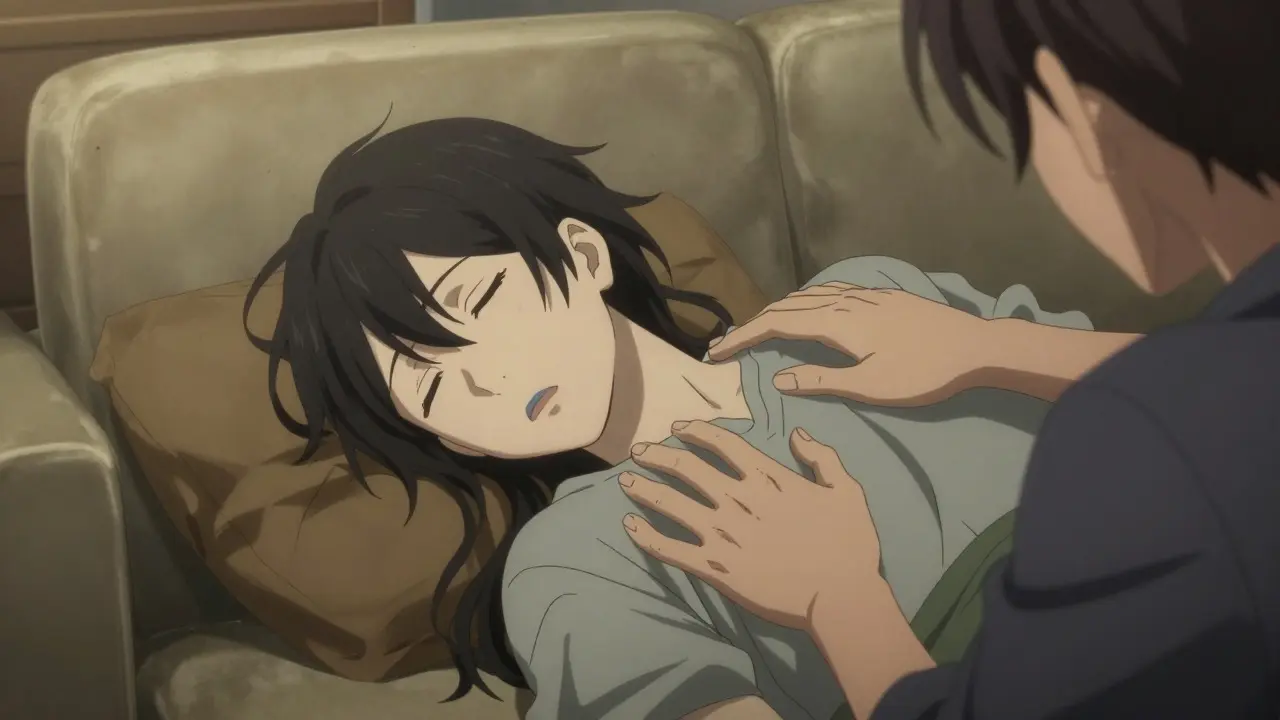
Imagine finding someone unresponsive on your couch. Their breathing is shallow, their lips are tinged blue, and they won't wake up when you shake them. In that moment, seconds count. Knowing whether this is a simple nap or a life-threatening medication overdose is a medical emergency caused by consuming excessive amounts of drugs, overwhelming the body's systems can mean the difference between life and death.
In 2022 alone, drug overdoses claimed over 107,000 lives in the United States. The vast majority involved synthetic opioids like fentanyl. But overdoses aren't just about illicit street drugs; they happen with prescription painkillers, anxiety medications, and even common over-the-counter remedies. Recognizing the specific warning signs allows you to act fast, call for help, and potentially save a life.
The Universal Warning Signs: What to Look For First
Before diving into specific drug types, there are general red flags that apply to almost any overdose situation. These symptoms indicate that the body is struggling to maintain basic functions. If you see these, do not wait to see if they get better. Act immediately.
- Altered Mental Status: The person may be confused, agitated, paranoid, or hallucinating. In many cases, they become unresponsive but remain awake, staring blankly without reacting to stimuli.
- Respiratory Distress: Breathing changes are critical. Look for shallow breaths, erratic rhythms, or pauses longer than 10 seconds between breaths. Choking or gurgling sounds often indicate fluid in the lungs or airway obstruction.
- Cyanosis: This is the medical term for blue or purple discoloration of the lips, fingernails, or skin. It signals that oxygen levels have dropped dangerously low (below 90% saturation).
- Gastrointestinal Issues: Severe nausea, vomiting, and abdominal cramps are common early signs. Vomiting while unconscious is particularly dangerous because it can lead to aspiration, where vomit enters the lungs.
- Physical Instability: Loss of balance, coordination, dizziness, and slurred speech suggest the central nervous system is compromised.
If you notice a combination of these symptoms-especially difficulty breathing combined with unresponsiveness-assume an overdose until proven otherwise. Do not try to diagnose the specific drug yourself; focus on keeping the person alive.
Opioid Overdose: The Silent Killer
Opioids, including heroin, fentanyl, oxycodone, and hydrocodone, depress the central nervous system. They slow down brain activity, heart rate, and most critically, breathing. An opioid overdose is characterized by a specific set of symptoms known as the "Opioid Triad." If you recognize all three, administer naloxone immediately if available.
| Symptom Category | Specific Sign | Why It Happens |
|---|---|---|
| Neurological | Pinpoint pupils (1-2mm diameter) | Opioids constrict the muscles controlling pupil size. |
| Consciousness | Unconsciousness / Unresponsiveness | Severe depression of brain activity. |
| Respiratory | Slow or stopped breathing (<12 breaths/min) | Brainstem stops sending signals to breathe. |
| Physical | Choking/gurgling sounds, cold/clammy skin | Airway relaxation and poor circulation. |
Fentanyl has changed the landscape of opioid overdoses. It is 50 to 100 times more potent than morphine. Because of this potency, standard doses of naloxone might not be enough. You may need to administer multiple doses every 2-3 minutes while waiting for emergency services. Also, note that tolerance drops quickly. If someone stops using opioids for just 3-7 days, their tolerance decreases significantly. Returning to their previous dose can easily trigger an overdose.

Stimulant Overdose: The Body on Fire
Unlike opioids, stimulants like cocaine, methamphetamine, and prescription ADHD medications speed up the body’s systems. An overdose here looks very different. The body essentially goes into overdrive, leading to organ failure from exhaustion and heat.
Watch for these intense physical reactions:
- Hyperthermia: Body temperature spikes above 104°F (40°C). This can cause muscle breakdown and kidney failure.
- Cardiovascular Strain: Rapid heartbeat (tachycardia), high blood pressure (hypertension), and chest pain. The heart may beat irregularly, risking cardiac arrest.
- Psychological Distress: Extreme agitation, paranoia, panic, and hallucinations. The person may feel like they are being attacked or watched.
- Seizures: About 37% of cocaine overdoses involve seizures, which can lead to injury and further oxygen deprivation.
If you suspect a stimulant overdose, keep the environment cool and calm. Remove excess clothing to help lower body temperature. Keep the person away from hard objects in case of seizures. Unlike opioid overdoses, there is no single antidote like naloxone for stimulants; treatment focuses on stabilizing vital signs in a hospital setting.
Depressant and Polysubstance Overdoses
Depressants include benzodiazepines (like Xanax or Valium), barbiturates, and alcohol. These drugs also slow down the central nervous system, similar to opioids, but the presentation can vary. Alcohol poisoning is a severe form of depressant overdose. Key signs include profound drowsiness, slurred speech, ataxia (loss of coordination), and respiratory depression.
A particularly deadly scenario is the polysubstance overdose is an event involving the simultaneous use of two or more substances, complicating diagnosis and treatment. In 2022, nearly 57% of overdose deaths involved multiple substances. Mixing opioids with benzodiazepines or alcohol multiplies the sedative effects, making respiratory arrest much more likely. The symptoms overlap, creating a confusing clinical picture. For example, pinpoint pupils usually point to opioids, but if the person is also extremely agitated, a stimulant might be mixed in. When in doubt, treat for the most life-threatening possibility first: respiratory failure.
Immediate Action Plan: What To Do Right Now
Panic is natural, but action saves lives. Follow these steps precisely. Time is the enemy.
- Check Responsiveness: Shake the person’s shoulders and shout their name. Tap their sternum firmly. If they don’t respond, check their breathing.
- Call 911 Immediately: Do not delay. Tell the dispatcher you suspect an overdose. Mention if naloxone has been administered. Remember, Good Samaritan laws in 47 U.S. states protect bystanders who call for help. Fear of legal trouble should not stop you from saving a life.
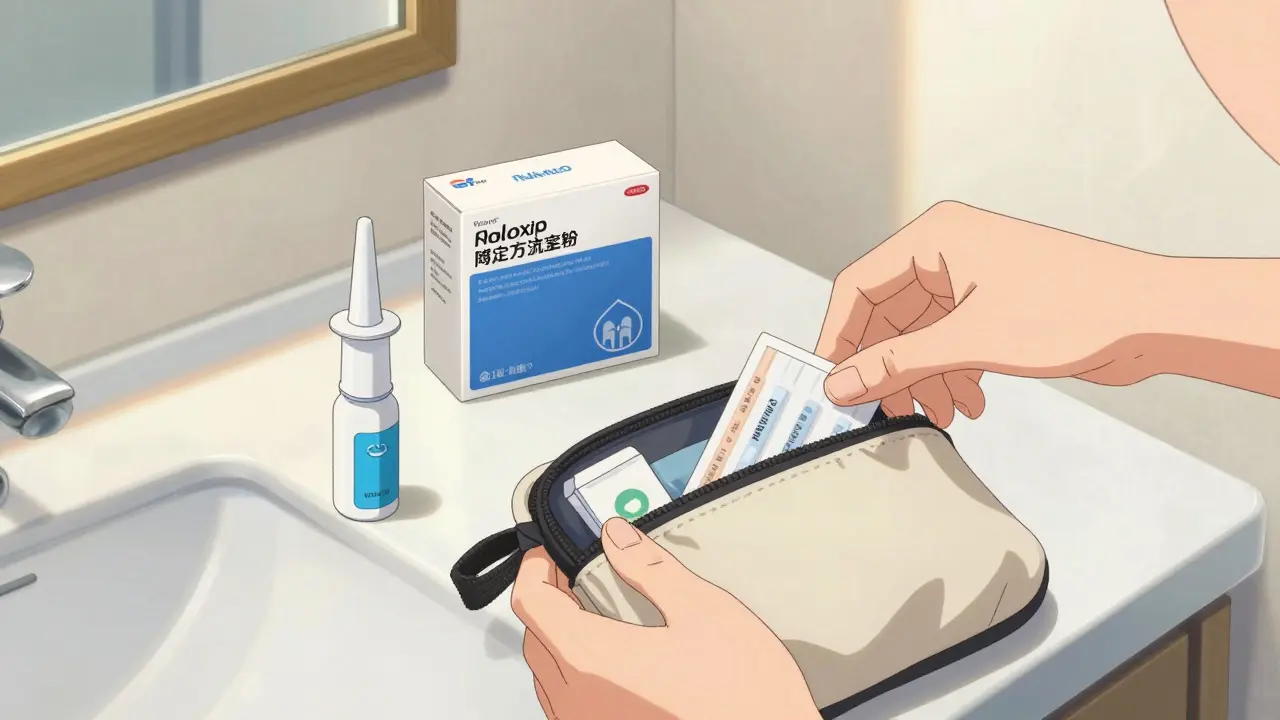
- Administer Naloxone (NARCAN): If you have it and suspect an opioid overdose, use it now. Nasal sprays deliver 4mg per dose. It can be given via nose, muscle, or vein. It works within 2-3 minutes. If there is no response after 3 minutes, give a second dose. Naloxone is safe; it does nothing if opioids aren’t present.
- Position the Person: If they are unconscious but breathing, place them in the recovery position (on their side). This prevents choking if they vomit. Aspiration is a major cause of death in non-opioid overdoses.
- Monitor Vital Signs: Stay with them until EMS arrives. If breathing stops, begin CPR if you are trained. Push hard and fast on the center of the chest.
Avoid common mistakes. Never let someone "sleep it off"-this led to delayed treatment in 29% of fatal cases. Do not put them in a bath or shower, as hypothermia adds another layer of risk. Do not try to make them vomit or give home remedies like coffee or salt water. These actions waste precious time and can cause harm.
Prevention and Preparedness
Recognition is vital, but prevention is better. The rise of fentanyl and carfentanil-an elephant tranquilizer 10,000 times more potent than morphine-has made accidental overdoses more common. Even pills bought from friends or counterfeit pharmacies may contain lethal doses of synthetic opioids.
Harm reduction tools are increasingly accessible. Fentanyl test strips can detect the presence of fentanyl in drugs with 97% accuracy. While they don't eliminate risk, they allow users to adjust their behavior, such as taking smaller doses or having naloxone ready. The FDA approved the first over-the-counter naloxone nasal spray in 2023, making it easier for families to keep a kit at home, especially if someone takes prescription opioids or has a history of substance use.
Education is key. Know the medications in your household. Secure prescription bottles. Dispose of unused meds properly through take-back programs. And perhaps most importantly, carry naloxone. It is small, easy to use, and widely distributed through community organizations and pharmacies across all 50 states.
How long does it take for naloxone to work?
Naloxone typically begins to reverse the effects of an opioid overdose within 2 to 3 minutes after administration. However, its duration of action is shorter than many opioids, lasting only 30 to 90 minutes. This means the person may slip back into overdose once the naloxone wears off, so continuous monitoring and repeated doses may be necessary until emergency medical help arrives.
Can you overdose on over-the-counter medication?
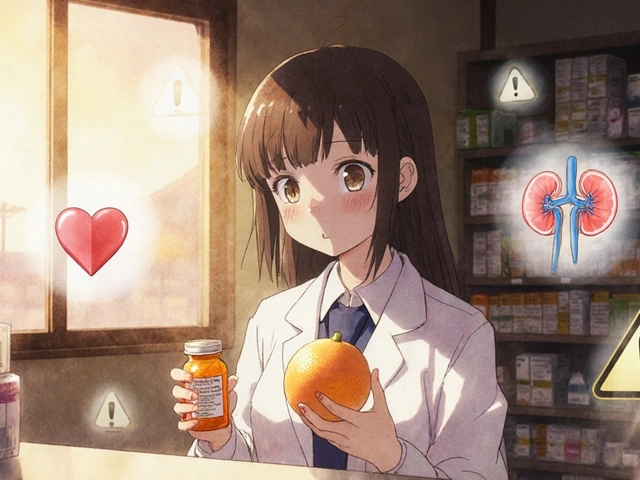
Yes. Overdosing on acetaminophen (Tylenol) can cause severe liver damage, while too much ibuprofen can lead to kidney failure and stomach bleeding. Antihistamines like diphenhydramine (Benadryl) in high doses can cause hallucinations, rapid heart rate, and seizures. Always follow dosage instructions and consult a pharmacist if unsure.
What is the difference between an opioid and a stimulant overdose?
An opioid overdose slows the body down, causing slow breathing, pinpoint pupils, and unconsciousness. A stimulant overdose speeds the body up, causing high fever, rapid heartbeat, agitation, and seizures. Treatment differs significantly: naloxone reverses opioids, while stimulants require cooling and cardiac stabilization in a hospital.
Are bystanders protected legally if they call 911 for an overdose?
In 47 U.S. states, Good Samaritan laws provide legal protection for individuals who seek medical help for an overdose. These laws generally prevent minor drug possession charges for the person overdosing and the caller, encouraging people to call 911 without fear of immediate arrest. Check your local state laws for specific details.
Why do some people have blue lips during an overdose?
Blue lips, known medically as cyanosis, indicate that the blood is not carrying enough oxygen. This happens when breathing is too shallow or has stopped entirely. It is a critical sign of hypoxia and requires immediate rescue breathing or CPR if the person is not breathing.