
Beating cancer is often seen as the finish line. But for millions of people, the diagnosis was just the starting gun for a new, complex phase of life known as cancer survivorship, which is the period from diagnosis through the remainder of a person's life, encompassing physical, emotional, and social challenges. You might feel relieved that treatment is over, but your body has been through a war zone. Chemotherapy, radiation, and surgery leave lasting marks. The real work begins now: managing these long-term effects while staying vigilant against recurrence.
In 2018, there were approximately 16.9 million cancer survivors in the United States. By 2030, that number is projected to hit 22.2 million. Yet, high-quality, coordinated care remains rare. Many survivors fall through the cracks between oncology and primary care, unsure who is watching their heart, their bones, or their risk of a second cancer. This guide breaks down how to take control of your health post-treatment, what late effects to watch for, and how to build a care team that actually works together.
Understanding Late Effects vs. Recurrence
First, let’s clear up the confusion. Recurrence means the original cancer comes back. Late effects are new health problems caused by the treatment itself, appearing months or even years later. They are not the cancer returning; they are the collateral damage of saving your life.
Chemotherapy and radiation are powerful tools, but they don’t discriminate perfectly. They kill fast-growing cells, which includes cancer, but also healthy tissue. Here is what you need to know about specific risks:
- Chemotherapy: Can lead to nerve damage (neuropathy), memory issues often called "chemo brain," early menopause, infertility, heart problems, and an increased risk of secondary cancers like leukemia. Certain agents can cause lung disease or digestion problems.
- Radiation Therapy: Depending on the site, it can cause hypothyroidism, heart and vascular problems, lymphedema (swelling due to blocked lymph nodes), lung scarring (fibrosis), and bone loss in treated areas. Chest radiation specifically increases the lifetime risk of breast cancer and stroke.
For example, if you had Hodgkin lymphoma treated with chest radiation, you face a 30% lifetime risk of developing breast cancer. This isn't a guarantee, but it changes your screening schedule entirely. You likely need annual mammograms and breast MRIs starting eight years after treatment, regardless of age. Knowing your specific treatment history is non-negotiable.
The Power of a Survivorship Care Plan
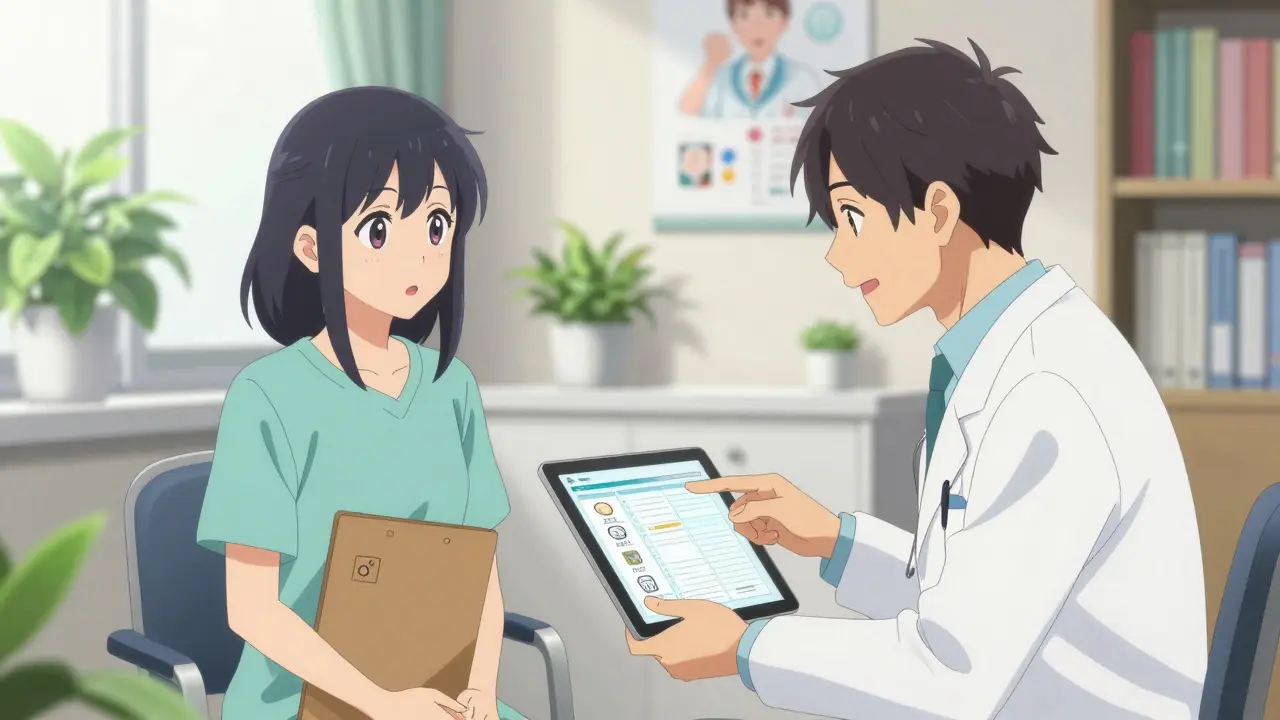
You wouldn't fly a plane without a checklist. Why manage your post-cancer health without one? A Survivorship Care Plan (SCP) is a written document that summarizes your treatment and outlines future follow-up needs, including surveillance schedules and lifestyle recommendations.
Research published in the Journal of Clinical Oncology shows that patients with SCPs have an 85% adherence rate to follow-up activities, compared to just 58% for those without. They also request 32% fewer unnecessary tests. This document should include:
- Treatment Summary: Exact chemotherapy drugs and dosages, radiation fields and doses, and surgical procedures. Keep this forever. If you see a new doctor in five years, hand them this paper first.
- Surveillance Schedule: When and how often you need scans, blood tests, or physical exams to check for recurrence.
- Prevention Strategies: Vaccinations, screenings for second cancers, and lifestyle advice tailored to your specific risks.
- Contact Information: Who to call if you notice a new symptom. Is it your oncologist? Your primary care provider (PCP)?
If your oncologist didn't provide one, ask for it. It is your right. The Commission on Cancer requires accredited programs to provide these plans, though compliance varies. Having this roadmap reduces anxiety and prevents duplicate testing.
Managing Physical Late Effects
Physical symptoms can be stubborn. Fatigue doesn't always go away. Pain can linger. Here is how to tackle common issues with evidence-based strategies.
Cognitive Issues ("Chemo Brain")
Many survivors report trouble focusing, forgetting words, or feeling mentally foggy. The Lurie Cancer Center recommends practical tools rather than just "trying harder." Use organizational apps, schedule demanding tasks during your peak energy hours, and prioritize sleep. Limit alcohol, which worsens cognitive decline. Regular physical activity has been shown to improve brain function more effectively than most supplements.
Bone Health and Osteoporosis
Chemotherapy, steroids, and hormonal therapies accelerate bone loss. Radiation can weaken bones in the treated area. If you are at risk, discuss DEXA scans with your doctor. Weight-bearing exercise is crucial. Studies show that structured exercise interventions can increase bone density by 3-5% in older adult survivors. Don't wait for a fracture to act.
Cardiac Health
Anthracyclines (like doxorubicin) and trastuzumab (Herceptin) can damage the heart muscle. Breast cancer survivors treated with these drugs have a 15-20% risk of heart problems. You may need echocardiograms every 6-12 months. Monitor your blood pressure and cholesterol aggressively. Heart disease is a leading cause of death in cancer survivors, sometimes surpassing the cancer itself.
Lymphedema
If lymph nodes were removed or radiated, fluid can build up in your arms or legs. This is chronic. Wear compression garments as prescribed. Avoid blood pressure cuffs or injections in the affected limb. Learn self-massage techniques from a certified therapist. Early intervention prevents permanent swelling and infection.
Navigating the Healthcare System
Who takes care of you now? This is the biggest gap in survivorship care. The traditional model puts all burden on the oncologist. But oncologists are experts in killing cancer, not necessarily in managing hypertension or diabetes.
Seventy-eight percent of older adult survivors have a primary care provider (PCP). Sixty-three percent of older survivors die from causes other than cancer. This means your PCP is vital. However, 65% of survivors report poor communication between their oncologist and PCP.
You must be the bridge. Share your SCP with your PCP. Ask them to review your long-term risks. A collaborative model works best: oncology handles recurrence surveillance and complex cancer-related issues, while PCP manages general health, comorbidities, and preventive care. The Cleveland Clinic reports that survivors with clearly defined roles for both teams experience 40% fewer duplicate tests.
| Feature | Oncologist-Centered Model | Collaborative Model (Oncology + PCP) |
|---|---|---|
| Focus | Recurrence and cancer-specific issues | Whole-person health, including comorbidities |
| Efficiency | High risk of missed general health issues | 40% fewer duplicate tests |
| Patient Satisfaction | Variable; often fragmented | Higher coordination and clarity |
| Best For | High-risk recurrence cases | Most survivors, especially low-to-moderate risk |

Psychosocial and Financial Well-being
Cancer doesn't just hurt your body; it drains your wallet and strains your relationships. Financial stress affects 73% of survivors. Difficulty working impacts 68%. Changes in relationships affect 57%.
Don't ignore this. Financial toxicity is real. Seek out financial counselors at your cancer center. The Lurie Cancer Center reports that 92% of users resolve financial barriers within 30 days with professional help. Look into disability benefits, insurance appeals, and nonprofit grants.
Emotionally, consider integrative medicine. Programs combining conventional therapy with mind-body practices, such as those at the Osher Center for Integrative Medicine, help 82% of participants improve their quality of life. Yoga, meditation, and counseling are not "extras"; they are essential treatments for trauma recovery.
Actionable Steps for Today
Take control of your survivorship journey with these concrete steps:
- Gather Records: Request your full treatment summary from your oncologist. Store it digitally and physically.
- Schedule a Transition Visit: Meet with your PCP to review your SCP and establish a shared care plan.
- Start Moving: Aim for 150 minutes of moderate aerobic activity per week. Exercise reduces fatigue by 40-50% and improves mobility.
- Monitor Symptoms: Keep a journal. Note new pains, swelling, or mood changes. Report persistent symptoms immediately.
- Join a Support Group: Connect with others who understand. Isolation worsens depression and anxiety.
Your life after cancer is still your life. It requires vigilance, advocacy, and self-care. By understanding your risks and building a strong care team, you can thrive, not just survive.
What is the difference between short-term and late effects of cancer treatment?
Short-term side effects occur during or shortly after treatment, such as nausea, hair loss, or immediate pain. Late effects appear months or years later and can be permanent, such as heart disease, osteoporosis, or secondary cancers. They result from cumulative damage to healthy tissues by chemotherapy or radiation.
How often should I see my oncologist after treatment ends?
Frequency depends on your cancer type and risk level. High-risk survivors may need visits every 3-6 months initially. Moderate-risk patients typically see an oncologist annually. Low-risk survivors may transition to primary care with oncology consultation only if needed. Follow your specific survivorship care plan.
Can cancer treatment cause heart problems?
Yes. Certain chemotherapy drugs (like anthracyclines) and chest radiation can damage heart muscle or blood vessels. Risks include cardiomyopathy, coronary artery disease, and arrhythmias. Regular cardiac monitoring, such as echocardiograms, is recommended for at-risk patients.
What should be included in a survivorship care plan?
A comprehensive plan includes a detailed treatment summary (drugs, doses, radiation fields), a surveillance schedule for recurrence, prevention strategies for late effects, lifestyle recommendations, and contact information for your care team. It serves as a lifelong reference for any healthcare provider.
How can I manage financial stress after cancer?
Seek financial counseling through your cancer center or nonprofit organizations. Explore disability benefits, insurance appeals, and patient assistance programs. Address billing errors promptly. Financial toxicity is a recognized medical issue, and professional support can resolve barriers for most patients.
Does exercise really help with cancer-related fatigue?
Yes. Contrary to old beliefs, rest alone does not cure cancer-related fatigue. Studies show that regular, moderate exercise reduces fatigue scores by 40-50% and improves functional ability. Start slowly with walking or stretching and gradually increase intensity under guidance.
Who should manage my care: my oncologist or primary care doctor?
Ideally, both. A collaborative model is best. Oncologists focus on recurrence surveillance and cancer-specific complications. Primary care providers manage general health, chronic conditions, and preventive care. Clear communication between both teams ensures comprehensive care and reduces duplicate testing.
What are the signs of cancer recurrence?
Signs vary by cancer type but may include new lumps, unexplained weight loss, persistent pain, fatigue that worsens, coughing, bleeding, or changes in bowel habits. Any new, persistent symptom should be reported to your care team immediately for evaluation.
How does radiation therapy affect bone health?
Radiation can weaken bones in the treated area, increasing fracture risk. It can also affect nearby glands, such as the thyroid, leading to hypothyroidism. Bone density scans (DEXA) and calcium/vitamin D supplementation may be recommended to mitigate these risks.
Is "chemo brain" permanent?
For many, cognitive issues improve over time, but some experience long-term effects. Strategies like cognitive behavioral therapy, organizational tools, adequate sleep, and physical exercise can significantly improve symptoms. It is a valid medical condition, not just forgetfulness.