
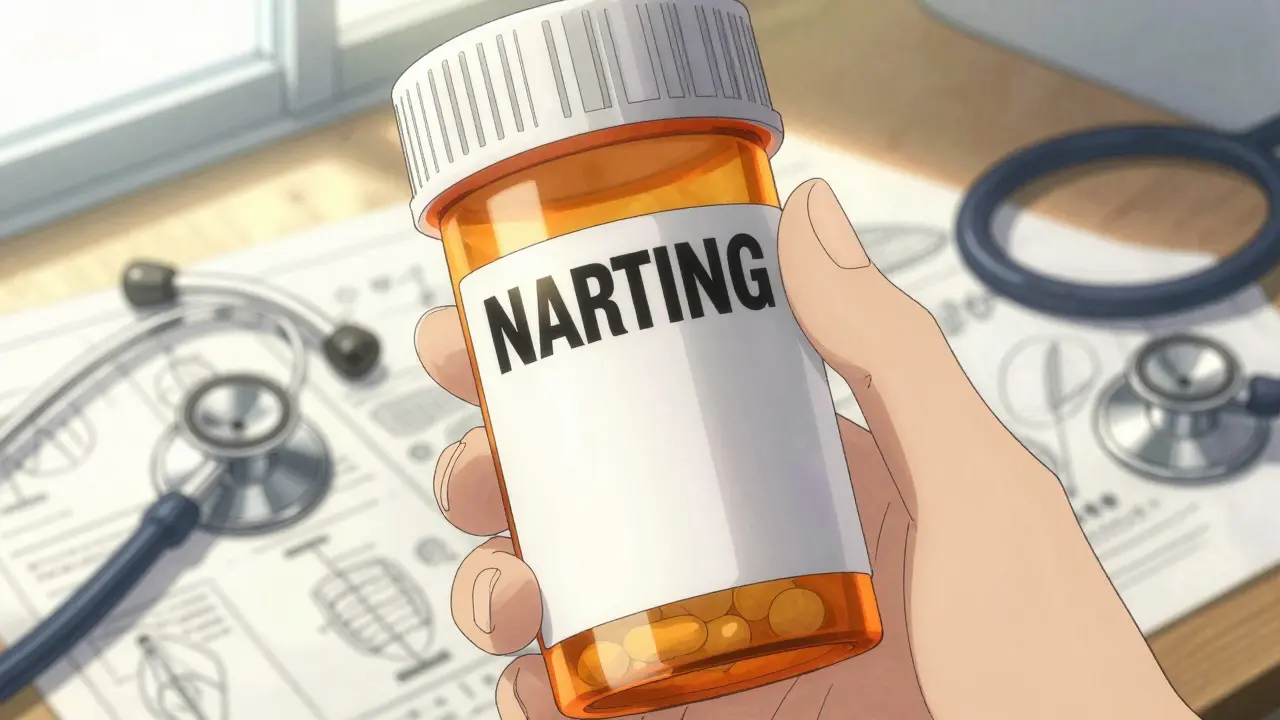
Drug Safety Alert Finder
Check Prescription Drug Safety Alerts
Enter your medication name to see if it has an FDA black box warning and learn about specific risks.
When a drug comes with a black box warning, it’s not just a caution - it’s a red flag. This isn’t your average side effect notice. It’s the FDA’s strongest possible safety alert, printed in a thick black border at the very top of a prescription drug’s packaging and patient information leaflet. If you’ve ever seen one, you know it stands out. And that’s the point. The FDA doesn’t use these lightly. They’re reserved for drugs that can cause death or serious injury - risks so severe, doctors must stop and think before prescribing.
What Exactly Is a Black Box Warning?
A black box warning, officially called a boxed warning, is a formal FDA requirement. It appears in the prescribing information for medications that carry a significant risk of life-threatening or disabling side effects. These aren’t rare reactions. They’re documented, serious, and often preventable with proper monitoring or by avoiding the drug entirely in certain patients.
The warning doesn’t just say “may cause harm.” It tells you exactly what could go wrong. For example, some antidepressants carry warnings about increased suicidal thoughts in young adults. Certain diabetes drugs warn of heart failure risk. Opioids carry warnings about addiction and respiratory depression. The FDA mandates these warnings only after reviewing clinical trial data, post-market reports, and sometimes years of real-world use.
There are over 400 prescription drugs currently carrying black box warnings as of 2022, according to Medical News Today. That’s not a small number. It means nearly one in five commonly prescribed medications comes with this level of risk notice. And the FDA doesn’t just slap these on new drugs - most are added after a drug is already on the market, based on new safety signals that emerge from widespread use.
How Does the FDA Decide to Issue One?
The process isn’t random. The FDA evaluates drugs through multiple stages: lab tests, animal studies, human clinical trials, and then ongoing monitoring after approval. But the black box warning usually comes later - after the drug is already being used by thousands, even millions, of people.
The agency looks for three main triggers:
- A risk so serious that it could outweigh the benefits for some patients
- A risk that can be reduced with careful use - like regular blood tests or avoiding certain other medications
- A need for strict restrictions, such as only allowing use by doctors who’ve completed special training, or banning use in pregnant women or children
Take the diabetes drug rosiglitazone. After studies linked it to a higher risk of heart attacks, the FDA added a black box warning in 2007. Usage dropped by 70% in the following years. But here’s the twist: another similar drug, pioglitazone, got the same warning - yet its use didn’t drop nearly as much. Why? Media coverage and public awareness played a big role. The warning alone doesn’t change behavior - context matters.
What’s the Difference Between a Black Box Warning and Other FDA Alerts?
The FDA issues many types of safety communications: safety alerts, drug advisories, label updates. But the black box warning is the highest level. It’s not buried in a long paragraph of precautions. It’s front and center. It’s bold. It’s hard to miss.
Other warnings might say “use with caution” or “may cause dizziness.” A black box warning says: “This drug can kill you - or cause permanent damage - if used incorrectly.”
For example, a regular warning might say: “Some patients experience nausea.” A black box warning might say: “This drug has been linked to liver failure and death in 1 in 1,000 patients. Liver function tests required monthly.”
The difference is in severity, specificity, and consequence. One tells you to watch for a side effect. The other tells you the drug could be deadly if you don’t take action.
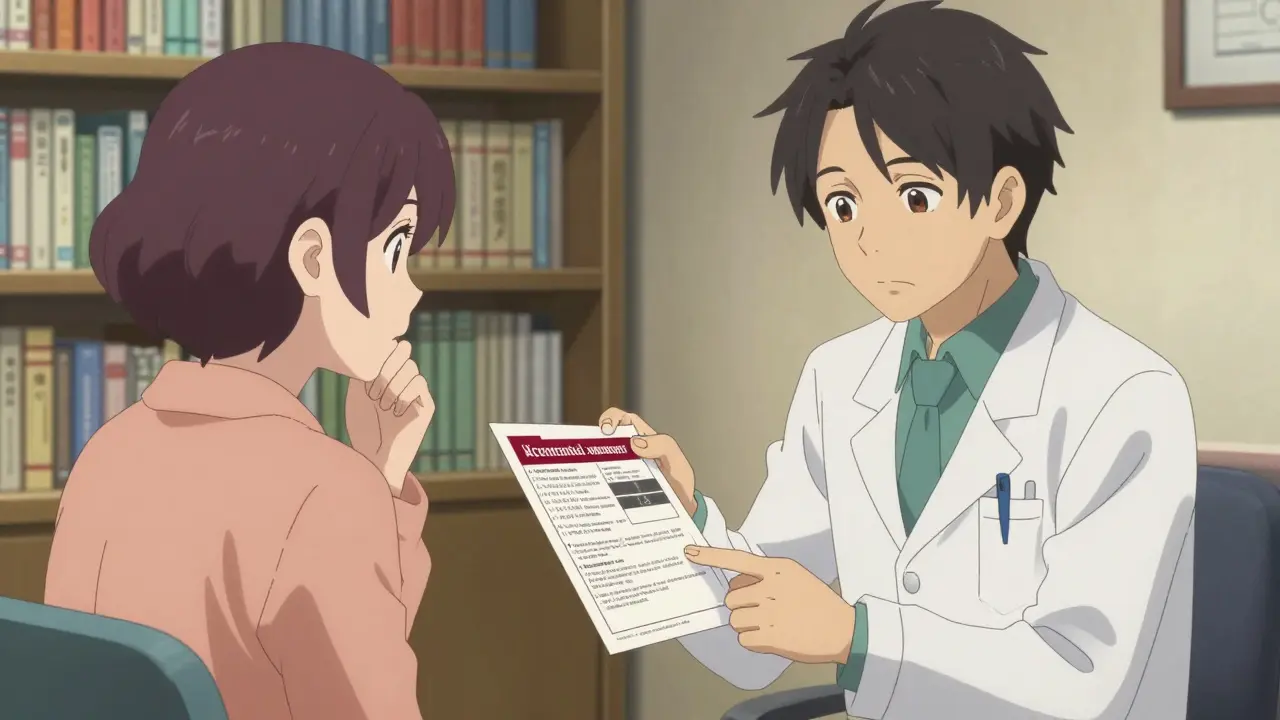
Does a Black Box Warning Mean You Should Avoid the Drug?
No. And that’s a critical misunderstanding.
A black box warning doesn’t mean “never take this.” It means “take this only if the benefits clearly outweigh the risks - and only under close supervision.”
Take the drug clozapine. It carries a black box warning for a rare but fatal blood disorder called agranulocytosis. But for patients with treatment-resistant schizophrenia, it’s often the only thing that works. Doctors monitor blood counts weekly. The risk is real. But so is the benefit.
As Dr. Meghan Lehmann, a pharmacist at Cleveland Clinic, puts it: “It’s not about avoiding the drug. It’s about using it wisely.”
Many life-saving drugs have black box warnings: chemotherapy agents, immunosuppressants after organ transplants, certain psychiatric drugs. The warning doesn’t make them unsafe. It makes them powerful - and demands respect.
What Should You Do If Your Prescription Has a Black Box Warning?
If your doctor prescribes a drug with a black box warning, don’t panic. But do ask questions.
- What’s the specific risk? (Not just “it’s dangerous” - what exactly could happen?)
- How often does it happen? (Is it 1 in 100? 1 in 10,000?)
- What monitoring is required? (Blood tests? Doctor visits? Imaging?)
- Are there safer alternatives? (And if so, why isn’t that being used?)
- What should I do if I notice symptoms?
Don’t rely on the label alone. Talk to your doctor or pharmacist. Use trusted resources like the Drug Effectiveness Review Project or Consumer Reports’ Best Buy Drugs to compare options. And if you’re unsure, get a second opinion.
Also, report any side effects - even if you think they’re minor. The FDA tracks these through its MedWatch program. Every report helps them understand real-world risks better. You’re not just protecting yourself - you’re helping protect others.

Why Do Some Warnings Work and Others Don’t?
Not all black box warnings change prescribing habits equally. The rosiglitazone example shows this clearly. The warning was issued, the media picked it up, and prescriptions plummeted. But pioglitazone? Same warning. Less media attention. Usage barely changed.
That tells us something important: warnings alone aren’t enough. Awareness matters. Education matters. Access to alternatives matters.
Doctors are busy. They don’t always have time to re-read every drug’s full label. That’s why the FDA encourages using independent tools - like the ones mentioned above - to compare drugs based on safety, effectiveness, and cost. And patients who ask questions help bridge that gap.
There’s also a growing push for better warning formats. Experts say many black box warnings still use vague language like “may cause serious injury.” What does that mean? 1% chance? 0.1%? Patients need clearer numbers - absolute risk, not just relative risk.
What’s Next for Black Box Warnings?
The FDA continues to update its guidance, most recently in 2011, but individual drug labels are updated constantly as new data comes in. Recent years have seen new black box warnings added to opioids, certain diabetes drugs, and antidepressants.
There’s also more pressure from patient advocacy groups. In some cases, these groups have successfully petitioned the FDA to add warnings after years of patient reports and independent research.
Looking ahead, the goal isn’t to eliminate black box warnings - they’re too important for that. It’s to make them more effective. Better communication. Better patient understanding. Better tools for doctors.
For now, they remain the FDA’s most powerful tool to stop preventable harm. And if you’re taking a drug with one, you’re part of a system designed to keep you safe - if you’re informed.
What If You’re Already Taking a Drug With a Black Box Warning?
If you’ve been on a medication with a black box warning for months or years, don’t stop it suddenly. That can be dangerous. Instead:
- Check your last lab results - are you up to date on required tests?
- Review your current symptoms. Have you noticed anything new? Fatigue? Swelling? Mood changes? Shortness of breath?
- Write down your questions before your next appointment.
- Ask your doctor: “Is this still the best option for me?”
Medications change. Your health changes. What made sense a year ago might not now. Regular check-ins matter more than ever with these drugs.
Are black box warnings only for prescription drugs?
Yes. Black box warnings only appear on prescription medications approved by the FDA. Over-the-counter drugs, supplements, and herbal products don’t carry these warnings because they’re not subject to the same level of pre-market testing and ongoing monitoring. That’s why it’s especially important to talk to your doctor before mixing prescription drugs with supplements.
Can a drug lose its black box warning?
Yes, but it’s rare. The FDA can remove a black box warning if new evidence shows the risk is much lower than originally thought, or if the warning was based on flawed data. This usually happens after years of additional studies and real-world data collection. It’s not common, but it does happen - and it’s a sign the system is working as intended.
Do black box warnings mean the drug is unsafe?
Not necessarily. Many drugs with black box warnings are life-saving. Chemotherapy, immunosuppressants, and certain psychiatric medications carry them because the risks are serious - but so are the consequences of not treating the illness. The warning is there to make sure the right patients get the drug, under the right conditions, with the right monitoring.
Why don’t all dangerous drugs have black box warnings?
The FDA only adds them when there’s strong, consistent evidence of serious, preventable harm. Some drugs have risks, but they’re too rare, too unpredictable, or not clearly tied to the medication. Others are managed with other tools - like restricted distribution programs or mandatory training - instead of a black box. The warning is reserved for the most urgent, well-documented dangers.
How can I find out if my medication has a black box warning?
Check the patient information leaflet that comes with your prescription - it’s always at the top. You can also search the drug name on the FDA’s website or use reliable pharmacy tools like GoodRx or Drugs.com. If you’re unsure, ask your pharmacist. They’re trained to spot these warnings and can explain what they mean for you.





10 Comments
So let me get this straight - the FDA puts a black box on drugs that might kill you, but we still let Big Pharma market them like they’re a new flavor of cereal? Brilliant strategy. I’ll just keep taking mine while pretending I didn’t read the warning.
The entire system is broken. Black box warnings are essentially performative - they exist so the FDA can say they did something while pharmaceutical companies continue to profit. Look at the data: over 400 drugs with these warnings, and yet prescriptions keep rising. Why? Because doctors are overworked, patients are scared into compliance, and the system has no real teeth. The warning is a legal shield, not a safety net. The real issue isn’t the warning - it’s the fact that we’re still prescribing these drugs at all without mandatory independent review boards for every high-risk prescription.
You think this is about safety? Please. Black box warnings are a distraction. The real danger is that the FDA is controlled by the same lobbyists who fund drug trials. Did you know that 80% of the data used to approve these drugs comes from industry-funded studies? The black box is just a smoke screen so you don’t ask why your antidepressant came with a suicide warning but the company still sponsors your doctor’s conference. They want you to blame the drug, not the system.
I appreciate the depth of this article 🙏. As someone who has been on a black box drug for over five years, I can say that knowledge is power. My doctor and I reviewed every risk, set up monthly labs, and created a clear action plan. It’s not about fear - it’s about partnership. Thank you for emphasizing that these drugs can be life-saving when used with care. 🌱
The terminology is imprecise. A black box warning is not merely a 'strongest safety alert' - it is a Class I risk notification under 21 CFR § 201.57, specifically triggered by post-marketing surveillance data demonstrating a causal association with mortality or irreversible morbidity. The FDA’s criteria for inclusion are codified, not discretionary. That said, the public misinterpretation persists because the language remains vague - 'may cause serious injury' is not actionable. We need absolute risk metrics, not relative scare tactics. This is a failure of risk communication, not drug regulation.
OMG I had no idea my anxiety med had a black box warning 😱 I thought it was just a 'side effects may include dizziness' kind of thing. My pharmacist literally pulled me aside last week and said, 'You need to get your blood checked every 4 weeks - no excuses.' I was like, wait, WHAT? I’m so glad I asked. If you’re on any med that feels 'off' - even a little - TALK TO SOMEONE. Don’t just Google it at 2 a.m. and panic. You’ve got this!
I just found out my mom’s heart medication has a black box warning and I’m having a full-on meltdown. Like… how is this even legal? She’s 72 and she’s supposed to just take this and hope for the best? What if she has a stroke? What if she dies in her sleep? Why didn’t the doctor tell us this was a death sentence? I’m calling the hospital right now. This is unacceptable.
Bro, don’t stress. I’ve been on clozapine for 8 years. Blood tests every week? Yeah. Annoying? Totally. But I’m alive and working and not hearing voices. The warning is scary, but the real hero is your doctor who knows when to use it. Just keep the appointments, track your symptoms, and don’t let fear make you quit. You got this.
I think it’s important to remember that black box warnings exist because people were harmed - and we learned from it. I work in public health, and I’ve seen families who lost loved ones because a warning was ignored. These aren’t bureaucratic red tape. They’re the result of real tragedy. The goal isn’t to scare people - it’s to make sure the next person doesn’t become a statistic.
In India, we don’t even get these warnings properly. Pills come in blister packs with tiny print in three languages - none of which explain the risk clearly. My cousin took a diabetes drug for years and never knew it could cause heart failure. She only found out after her first hospital visit. This system works in the U.S. - barely. In other places? It’s a lottery.
Write a comment