
Joint pain can stop you in your tracks. Whether it’s a sharp sting in your knee after gardening or a dull ache in your shoulder that keeps you awake, the frustration is real. When physical therapy and rest don’t cut it, doctors often suggest corticosteroid injections. These shots are famous for providing quick relief, but they also come with myths, risks, and strict limits on how often you can use them. Understanding exactly what happens inside your body when you get this injection helps you decide if it’s the right move for your specific condition.
What Are Corticosteroid Injections?
You might hear these called "cortisone shots," but that’s a bit of a misnomer. Cortisone was one of the first steroids used, but today, doctors typically use synthetic versions like triamcinolone acetonide, methylprednisolone acetate, or betamethasone. These medications mimic cortisol, a hormone your adrenal glands naturally produce to manage stress and inflammation.
The goal isn’t just to numb the area. While many injections include a local anesthetic like lidocaine for immediate comfort, the steroid itself works over days to weeks. It targets the root cause of the pain: inflammation. By flooding the joint space with high concentrations of anti-inflammatory agents, the medication calms down the irritated tissues, reduces heat and redness, and decreases the production of painful chemicals.
How Do They Stop Inflammation?
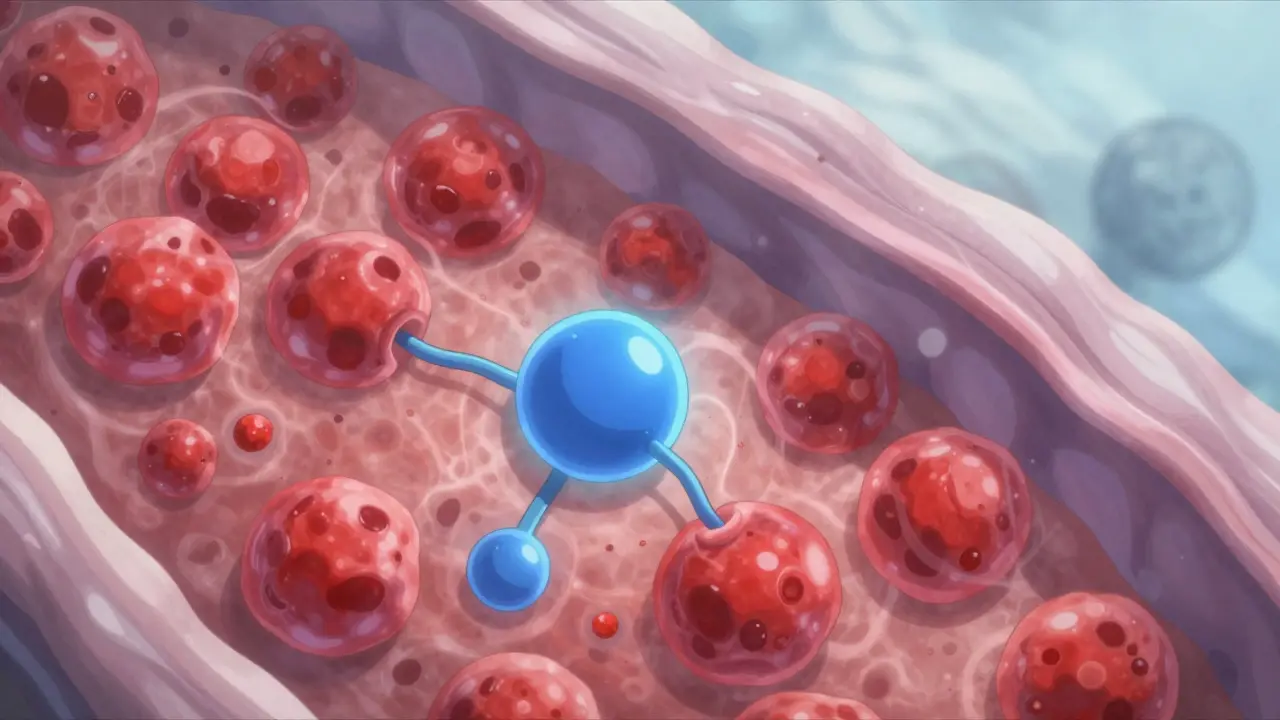
To understand why these shots work so well, you have to look at what’s happening on a cellular level. When your joint is inflamed, your immune system sends out white blood cells to fight perceived threats. This process releases cytokines-proteins like interleukin-1 and tumor necrosis factor-alpha-that cause swelling and pain.
When the corticosteroid enters your tissue, it binds to receptors inside your cells. This triggers a chain reaction that moves into the cell nucleus and changes how genes are expressed. Specifically, it shuts down the production of those inflammatory cytokines. It also inhibits cyclooxygenase, an enzyme responsible for creating prostaglandins, which are key drivers of pain and swelling.
Think of it like turning off a sprinkler system that’s gone haywire. The water (inflammation) stops spraying, allowing the soil (your joint tissue) to settle. According to research from the National Institutes of Health (NIH), this mechanism leads to increased viscosity in synovial fluid-the lubricant in your joints-making movement smoother and less painful almost immediately after the initial flare subsides.
Who Benefits Most From Joint Injections?
Not every type of pain responds equally to steroid injections. The effectiveness depends heavily on the underlying cause of your discomfort. Generally, these injections are most effective for conditions driven by acute inflammation rather than structural wear-and-tear alone.
- Osteoarthritis: For mild to moderate osteoarthritis, especially in the knee, hip, or shoulder, injections can provide significant short-term relief. However, they do not repair cartilage. If your bone is rubbing on bone, the benefit is limited.
- Rheumatoid Arthritis: Since this is an autoimmune disease causing intense inflammation, steroids are highly effective at calming flares.
- Bursitis and Tendinitis: Conditions like rotator cuff tendinitis or trochanteric bursitis respond very well because the inflammation is localized to the soft tissue surrounding the joint.
- Gout Flares: Injecting a steroid directly into a gouty joint can resolve severe pain faster than oral medications in some cases.
If you have an infection in the joint, however, a steroid injection is dangerous. Steroids suppress the immune system, which could allow bacteria to multiply unchecked. Doctors will always rule out infection before proceeding.
What to Expect During and After the Procedure
The procedure itself is usually quick, taking only a few minutes. Your doctor may use ultrasound guidance to ensure the needle goes exactly where it needs to be. Studies show that ultrasound-guided injections have a success rate of up to 95%, compared to about 70% for blind injections. This precision matters, especially for deeper joints like the hip.
Here is the typical timeline you should anticipate:
- Immediate Relief: If the injection contains lidocaine, you’ll feel better within minutes. This is temporary and wears off in a few hours.
- The Post-Injection Flare: About 2-8% of patients experience a "flare" where pain worsens for 24-48 hours. This happens because the steroid crystals irritate the lining of the joint. Ice and anti-inflammatory pills usually fix this.
- Peak Effect: The true anti-inflammatory effect kicks in after 3-5 days and peaks around one to two weeks.
- Duration: Relief typically lasts between 4 to 12 weeks. Some people get months of relief; others feel the pain return sooner.
After the shot, avoid strenuous activity for 48 hours. This prevents the steroid from migrating away from the target site and gives your body time to absorb the medication properly.
Risks and Side Effects You Should Know
No medical intervention is without risk. While generally safe, corticosteroid injections carry specific side effects that vary based on your health history and how often you receive them.
| Side Effect | Frequency | Notes |
|---|---|---|
| Post-injection flare | 2-8% | Pain worsens for 1-2 days before improving |
| Skin depigmentation | Up to 17% | Lightening of skin at injection site, common in darker skin tones |
| Blood sugar spike | High in diabetics | Can last 3-7 days; requires close glucose monitoring |
| Tendon weakening | Rare with single use | Risk increases significantly with repeated injections |
| Infection | <0.1% | Very rare but serious; watch for fever and redness |
One major concern is the impact on blood sugar. If you have diabetes, a corticosteroid injection can raise your glucose levels for several days. Work with your doctor to adjust your insulin or medication temporarily during this period.
Another critical issue is tissue damage. Repeated injections can weaken tendons, increasing the risk of rupture. They may also accelerate cartilage loss in joints with advanced osteoarthritis. The American College of Rheumatology recommends limiting injections to three or four per joint per year for this reason.

Corticosteroids vs. Other Treatments
You might wonder why you’d choose a steroid shot over newer therapies like Platelet-Rich Plasma (PRP) or hyaluronic acid (viscosupplementation). The answer usually comes down to cost, speed, and evidence.
PRP involves drawing your own blood, spinning it to concentrate platelets, and injecting it back into the joint. Proponents claim it heals tissue, but studies show mixed results. A 2023 meta-analysis found that while PRP might offer slightly better long-term outcomes for some tendon issues, corticosteroids provided superior pain relief in the first month. Plus, PRP costs $500-$1,500 per session, whereas a steroid injection typically runs $100-$300 without insurance.
Hyaluronic acid injections aim to lubricate the joint. They are often used for knee osteoarthritis but have fallen out of favor in recent guidelines due to inconsistent efficacy data. Steroids remain the gold standard for rapid symptom control when inflammation is the primary driver of pain.
When to Avoid Steroid Injections
Knowing when not to get an injection is just as important as knowing when to. Avoid them if:
- You have an active infection in or near the joint.
- You are scheduled for joint replacement surgery soon. Recent studies show that receiving a steroid injection within three months of surgery increases the risk of prosthetic joint infection by more than double.
- You have uncontrolled diabetes, as the blood sugar spike can be difficult to manage.
- Your joint has end-stage osteoarthritis with significant bone-on-bone contact. In these cases, the injection offers minimal benefit and may hasten degeneration.
If you’ve already had multiple injections in the same joint with diminishing returns, it’s time to reconsider. Chasing relief with repeated shots can lead to more harm than good. Physical therapy, weight management, and eventually surgical options may be more appropriate next steps.
Making the Right Decision for Your Joints
Corticosteroid injections are a powerful tool, but they are not a cure. They buy you time and comfort, allowing you to engage in physical therapy or daily activities without debilitating pain. Use them wisely. Limit the frequency, monitor for side effects, and combine them with other treatments to address the root causes of your joint issues. By understanding both the benefits and the limitations, you can take control of your musculoskeletal health with confidence.
How long does a cortisone shot last?
Relief typically lasts between 4 to 12 weeks. Some patients experience longer periods of comfort, while others may feel pain returning sooner. The duration depends on the severity of the condition, the specific joint treated, and individual metabolic factors.
Can cortisone shots damage your joints?
Yes, if used too frequently. Repeated injections can weaken tendons, increase the risk of rupture, and potentially accelerate cartilage loss in osteoarthritic joints. Medical guidelines generally recommend no more than 3-4 injections per joint per year.
Do cortisone shots affect blood sugar?
Yes, particularly in people with diabetes. Corticosteroids can cause a temporary spike in blood glucose levels that may last for several days. Diabetic patients should monitor their levels closely and consult their doctor about adjusting medication temporarily.
Is it safe to get a cortisone shot before joint replacement surgery?
It is generally recommended to wait at least 3 to 6 months after a cortisone injection before undergoing joint replacement surgery. Recent studies indicate that injections within 3 months of surgery significantly increase the risk of postoperative infection.
Why do I feel worse immediately after my injection?
This is known as a post-injection flare. It occurs in about 2-8% of patients due to irritation from the steroid crystals in the joint fluid. It usually resolves within 24-48 hours with ice and over-the-counter anti-inflammatory medication.
Are cortisone shots better than PRP?
For short-term pain relief, cortisone shots are generally more effective and significantly cheaper. PRP may offer potential long-term benefits for certain tendon injuries, but evidence is mixed, and it costs much more. Cortisone remains the first-line treatment for acute inflammatory flares.
Can I exercise after getting a cortisone injection?
You should avoid strenuous activity for the first 48 hours to prevent the medication from spreading away from the target site. Light walking is usually fine. After the flare period subsides, gradual return to activity and physical therapy is encouraged.
What causes skin discoloration after an injection?
Skin depigmentation, or lightening of the skin at the injection site, occurs in up to 17% of patients. It is caused by the steroid affecting melanocytes in the skin. It is more common in individuals with darker skin tones and can sometimes be permanent, though it often fades over time.