
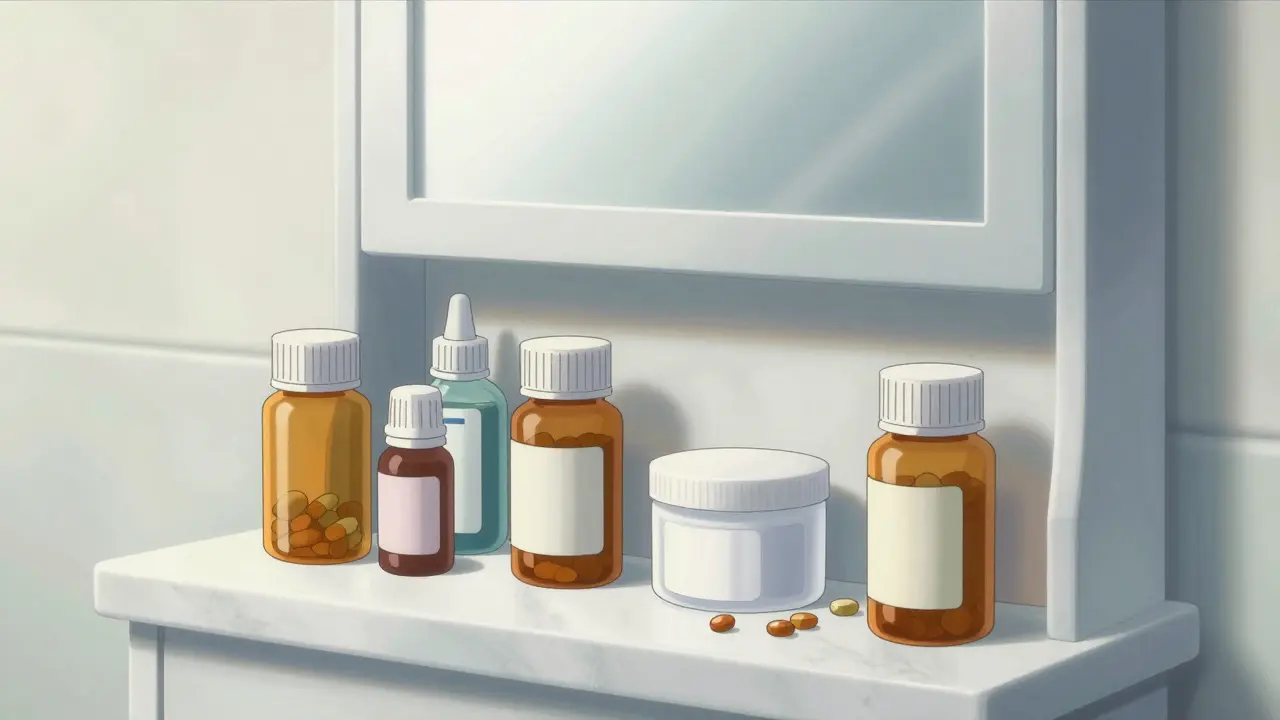
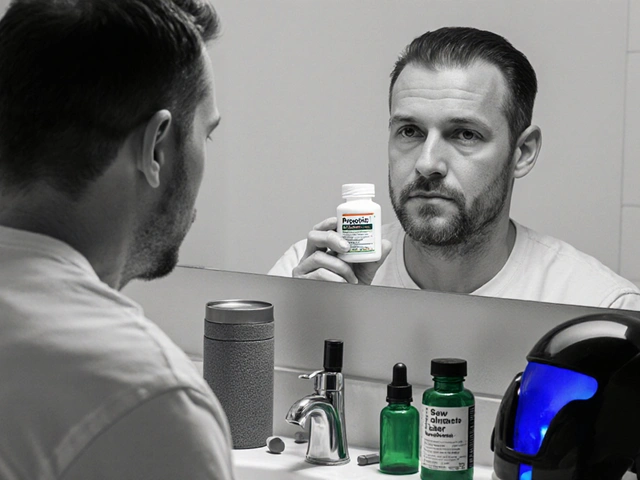
You probably have a few bottles of pills in your bathroom cabinet that you haven't touched in years. Maybe it's a leftover antibiotic from a 2022 sinus infection or a prescription painkiller from an old injury. While it seems harmless to just let them sit there, keeping expired medications in your home is a genuine safety risk. It's not just about whether the drug still works; it's about preventing accidental poisonings, reducing the risk of opioid misuse, and ensuring that when you actually need a treatment in an emergency, it's potent enough to help you.
Most of us treat our medicine cabinets like a junk drawer, but healthcare providers suggest a professional approach. In fact, 87% of providers surveyed by Scripps Health emphasize that a deep clean twice a year is critical for household safety. Think of it like changing the batteries in your smoke detector-it's a routine chore that prevents a disaster.
The Quick Safety Summary
- Frequency: Clean your cabinet every six months (align this with daylight saving time changes).
- The One-Year Rule: Toss any prescription drugs older than 365 days, even if the date says they are still good.
- Red Flags: Discard anything that has changed color, smells weird, or looks cloudy.
- Storage: Move meds out of the bathroom; humidity can kill potency by 25% in just six months.
- Disposal: Use official take-back sites or the "coffee ground" method-never just flush unless instructed.
Why Your Bathroom Cabinet is the Worst Place for Meds
It seems logical to keep medicine in the bathroom, but the environment is actually a chemistry nightmare for your drugs. Humidity is the main enemy. When you shower, the steam and moisture seep into bottles, breaking down the chemical bonds of the medication. A study by Yale New Haven Health found that bathroom storage can reduce drug potency by 15-25% within six months.
If your medicine is losing strength, you might only be getting 60-70% of the intended dose. For a mild headache, that's an annoyance; for a critical heart medication or a severe infection, that's a dangerous failure. The best move? Find a cool, dry kitchen cabinet away from the stove and direct sunlight.
The "Danger Zone": Drugs You Must Never Use Past Expiration
Not all expired drugs are created equal. Some just get a bit weaker, while others become outright toxic. You need to be ruthless with certain classes of medication. Tetracycline is a prime example; this antibiotic can actually become toxic to your kidneys after it expires.
You should also immediately toss the following if they are past their date:
- Insulin: It loses its ability to regulate blood sugar rapidly.
- Nitroglycerin: This critical heart medication is highly volatile and loses potency quickly.
- Epinephrine: If you have an EpiPen, an expired dose might not be strong enough to stop an anaphylactic reaction.
- Liquid Antibiotics: These degrade much faster than tablets and can harbor bacteria.
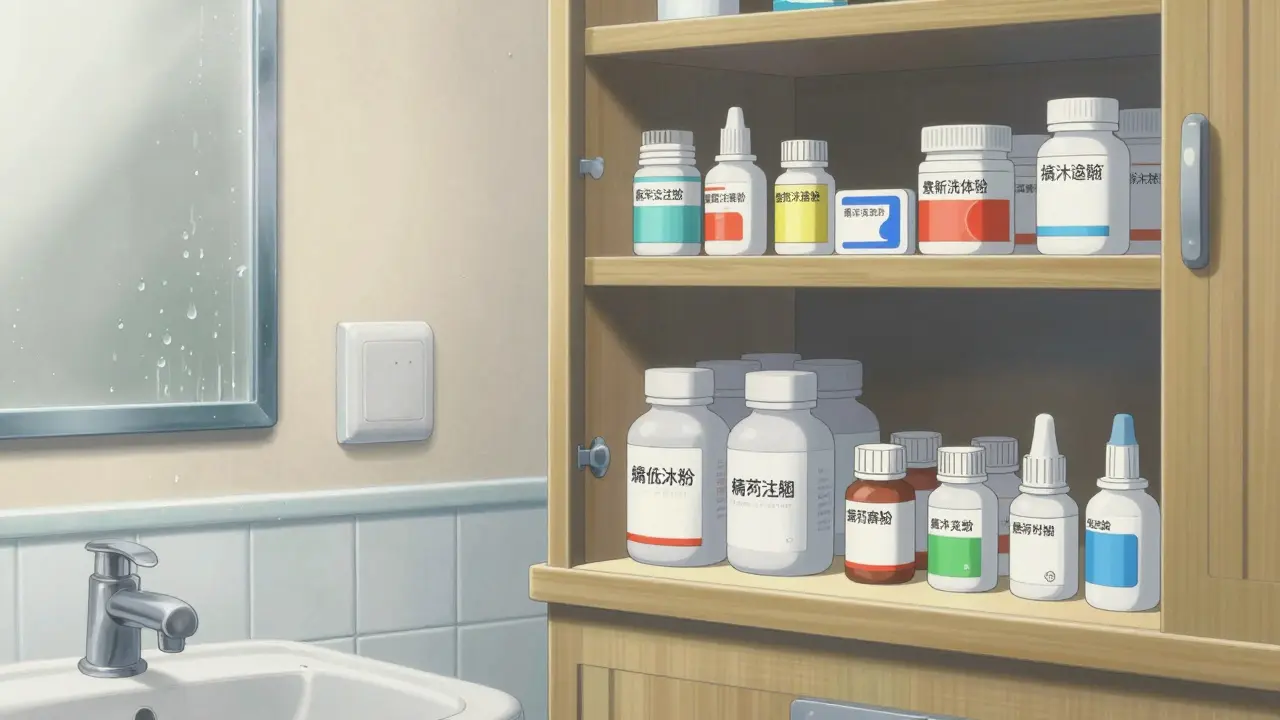
Your Step-by-Step Medicine Cabinet Audit
Don't just glance at the bottles. To do this right, you need a systematic approach. Follow these six steps to ensure nothing dangerous stays in your house.
- The Total Clear-Out: Take everything out. Every ointment, vitamin, and pill bottle needs to be on the counter. If you leave things in the cabinet, you'll miss the small tubes hiding in the back.
- The Date Check: Look at the expiration date. If it's past, it goes. If the container is unmarked or the label is peeled off and you can't identify the drug, toss it immediately. Guessing is not an option when it comes to chemistry.
- The Physical Inspection: Even if the date is okay, look for "degradation markers." Has the pill faded in color? Is the liquid cloudy? Does it smell like vinegar or chemicals? If yes, throw it away.
- The Environment Shift: Before you put things back, ask yourself: "Is this a dry place?" Move your stash from the bathroom to a cool, dry area of the house.
- Restocking Essentials: Use this time to make sure you have your basic first-aid gear. You should have at least 20 assorted bandages, 10 gauze pads, a non-mercury digital thermometer, and alcohol wipes.
- Set a Calendar Alert: Link your next check to the next time you change your clocks for daylight saving. This simple habit ensures you never go more than six months without a safety check.
How to Safely Get Rid of Old Drugs
You can't just throw pills in the trash or flush them down the toilet. Flushing can contaminate the water supply, and throwing them in the bin is an open invitation for pets or children to find them. The gold standard is using Drug Take-Back Programs, which are organized by the DEA to safely incinerate medications.
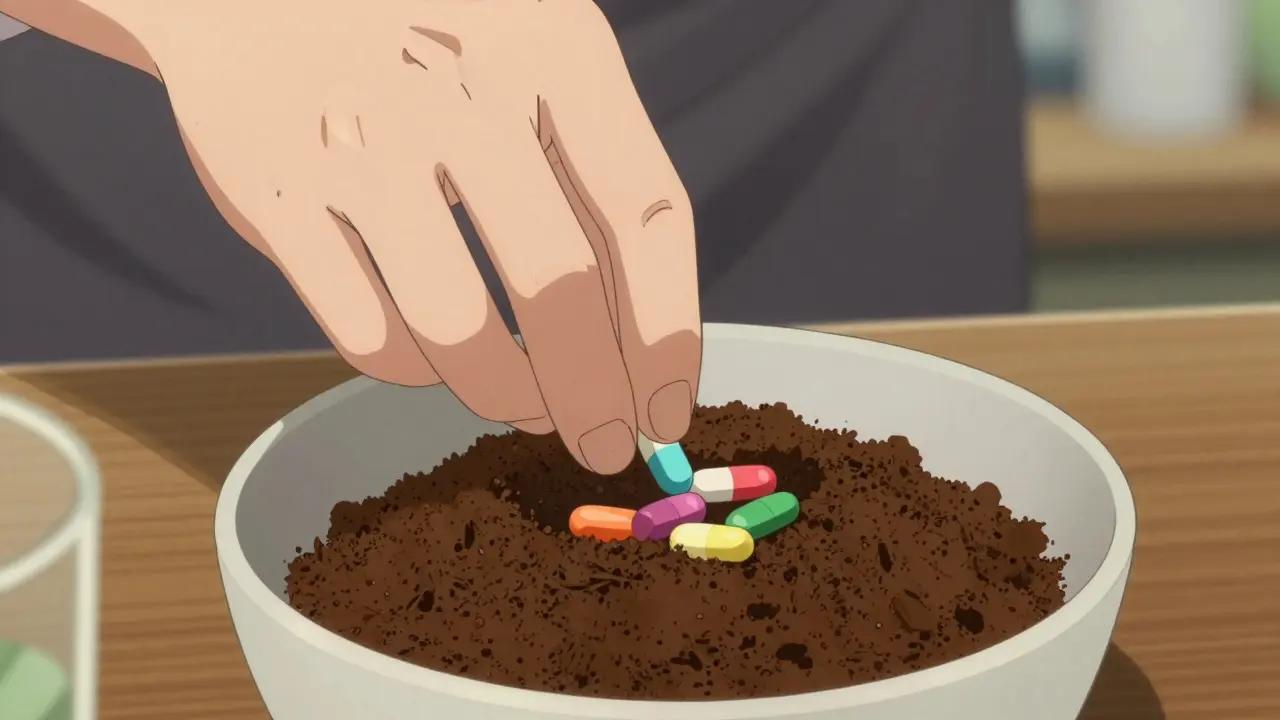
If you can't get to a collection site, the FDA recommends a specific home-disposal method to make the drugs unappealing to others:
| Medication Type | Best Method | Alternative Method |
|---|---|---|
| General Pills/Liquids | DEA Take-back site | Mix with coffee grounds/cat litter in a sealed bag |
| Needles/Sharps | FDA-approved sharps container | Heavy-duty plastic bottle (e.g., 2L soda) taped shut |
| High-Risk Opioids | Immediate pharmacy return | Prepaid mail-back envelopes |
When using the coffee ground method, use a 2:1 ratio of filler to medication. Once mixed and sealed, use a permanent marker to scratch out your name and prescription number from the bottle to protect your privacy.
The Bigger Picture: Why This Matters
Cleaning your cabinet isn't just about tidiness; it's about public health. There is a direct link between unused home medications and the opioid crisis. CDC data shows that a staggering 70% of misused prescription opioids come from medicine cabinets in family homes. When we leave old painkillers lying around, we create a risk for teenagers or guests.
For parents, the risk is even more immediate. Poison control centers reported over 67,000 pediatric medication exposures in 2022 alone. Many medications are bright colors and look like candy to a toddler. A cluttered cabinet increases the chance of a child finding something they shouldn't.
Finally, using expired antibiotics is a gamble that affects everyone. When you take an expired antibiotic that has lost its strength, it may not kill all the bacteria in your system. This allows the strongest bacteria to survive and mutate, contributing to antibiotic resistance. In some hospital settings, this has led to a 12-15% increase in resistant infections.
Can I still take an expired Tylenol or Advil?
While most over-the-counter pain relievers don't become toxic after their expiration date, they do lose potency. If you take an expired pill, it might not work as well as it should, which could lead you to take more than the recommended dose to get relief, increasing the risk of side effects.
Is it safe to flush old medications down the toilet?
Generally, no. Most medications are not filtered out by wastewater treatment plants and end up in our rivers and lakes, affecting fish and drinking water. Only flush medications that have a specific "flush list" instruction from the FDA, which usually applies only to a few extremely dangerous drugs.
What if I find a pill and I don't know what it is?
Never guess. If a medication is in an unmarked container or the label is gone, it must be discarded immediately. You can try using an online pill identifier, but the safest bet is to treat an unidentified pill as a hazard and dispose of it via a take-back program.
How do I find a drug take-back location near me?
The DEA maintains a database of authorized collection sites. You can also check with local pharmacies like CVS or Walgreens, as many now provide prepaid mail-back envelopes or have on-site kiosks for safe disposal.
Do vitamins and supplements expire too?
Yes. While they don't usually become toxic, the active vitamins break down over time. If you're taking a supplement for a specific deficiency, using an expired one means you aren't getting the nutritional value you need.
Next Steps for a Safer Home
If you've just finished your first cleanup, don't stop there. For those who struggle to remember dates, consider a QR code labeling system where you can scan the bottle with your phone to track the date. If you're caring for an elderly relative, help them organize their meds; older adults are 37% more likely to grab the wrong pill in a cluttered cabinet.
Moving forward, make it a habit to ask your pharmacist for disposal instructions every time you pick up a new prescription. Many states now require this by law, and it's the best way to ensure you have a plan for the medication before it ever becomes "expired junk" in your cabinet.



9 Comments
Actually had a client who kept all their stuff in the bathroom and the labels were practically peeling off from the steam. Moving things to a dry kitchen cabinet is the way to go. Just make sure you use a child-proof lock if you've got kids running around since the kitchen is way more accessible than a high bathroom shelf.
The preoccupation with a calendar alert for daylight savings is quaint, yet it misses the ontological point of household stewardship. True discipline is not found in a digital reminder, but in the cultivation of a mindful environment where one does not require a prompt to ensure the safety of their kin. Furthermore, the suggestion to use a QR code system is an exercise in unnecessary complexity that prioritizes technological novelty over actual utility. We are reducing the act of basic home maintenance to a data entry task, which is a sad reflection of our current cognitive decline. It is profoundly irritating that people require a six-step guide to perform a task that should be intuitive to any adult with a modicum of responsibility. I find the insistence on "systematic approaches" for such trivial matters to be an admission of a deeper, systemic failure in basic adulthood. One does not need a manual to identify a bottle of pills from 2015; one simply needs eyes and a brain.
Oh sure, because we all have the luxury of a "cool, dry kitchen cabinet" and not just a tiny apartment where the kitchen is basically a steam room too.
Typical pharma-shilling garbage telling us to toss everything after a year just so we buy more of their overpriced poison. They don't want you knowing that most of this stuff lasts for decades if you keep it away from the light. It's all a racket to keep the profit margins high and the shelves empty. Total scam!
Omg totally!!! I just did this and found a tube of cream from like... 2010??? Yikes!!! 😱 So glad I didn't use that on my face!!!
Too much reading. Just throw it away.
I literally just spent three hours cleaning my cabinet and I found a bottle of pills from my ex-boyfriend's old prescription. I actually started shaking. Like, the trauma of seeing that bottle in my house after all this time was just too much! I had to sit on the floor and just breathe for ten minutes. Absolute nightmare!
I think it is just so wonderful that we have these resources to help us keep our families safe and sound, and I would actually encourage anyone who feels overwhelmed by the process to just start with one shelf at a time because taking small steps is the best way to achieve a long-term goal of a healthier home environment for everyone involved, including our elderly parents who might need a little extra grace and help with their own medications as they age.
This is an incredible reminder for everyone to take action right now because your health is your greatest wealth and there is no better time than the present to purge the old and make room for the new and healthy habits that will lead to a vibrant life full of energy and strength for years to come so get up and clean that cabinet immediately!
Write a comment