
Every year, hospitals and pharmacies dispose of millions of dollars worth of expired medications. It’s not just waste-it’s a safety risk. Giving someone a pill that’s past its expiration date can mean the difference between recovery and a dangerous reaction. The good news? Technology is making it easier than ever to track when medications expire-before they ever reach a patient.
Why Medication Expiration Tracking Matters
Medications don’t suddenly become dangerous the day after their expiration date. But over time, their chemical structure breaks down. Some lose potency. Others can break down into harmful compounds. In emergency rooms, nursing homes, or home care settings, even a small mistake can have serious consequences. The FDA requires expiration dates for a reason: you can’t rely on memory, sticky notes, or handwritten logs anymore.
Studies show that up to 15% of medications in hospital pharmacies are expired before they’re noticed. That’s not because staff are careless-it’s because manual tracking is slow, repetitive, and error-prone. One hospital in Texas spent over 40 hours a week just checking expiration dates on high-cost drugs. That’s 40 hours a week that pharmacists could’ve spent on patient care instead.
How RFID Systems Are Changing the Game
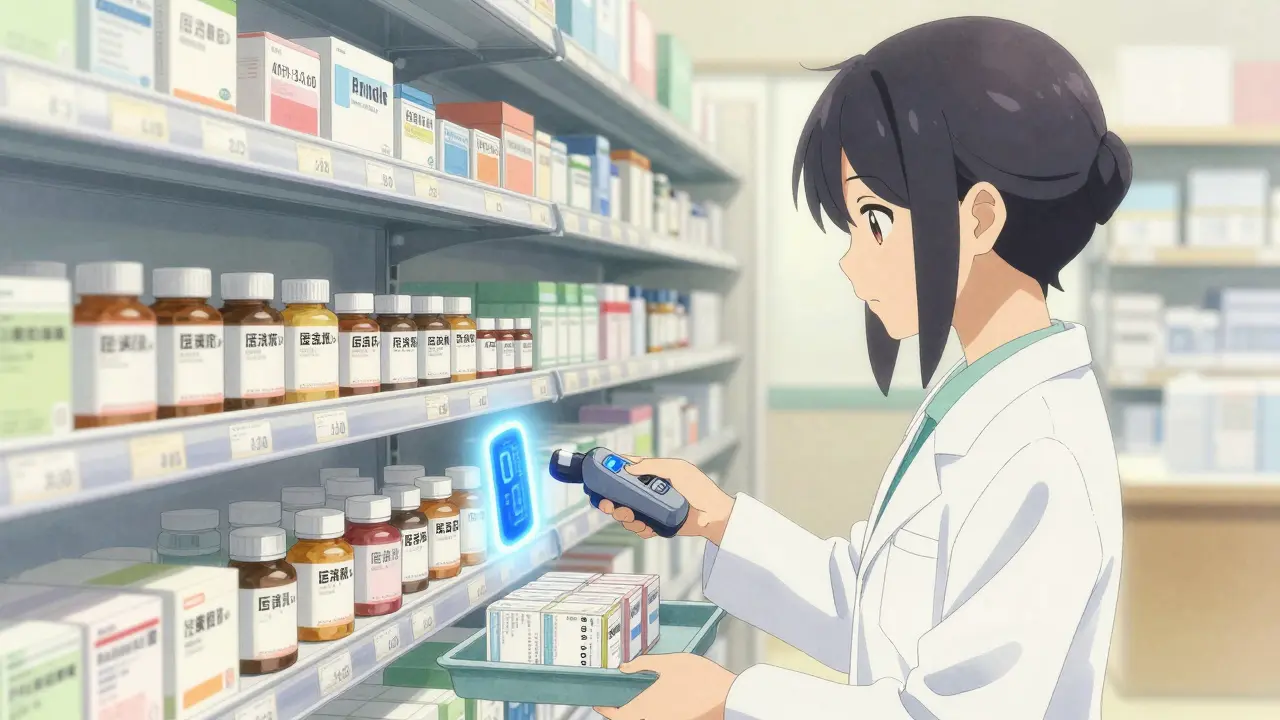
The most powerful tool now in use is RFID-Radio Frequency Identification. Think of it like the technology in your contactless credit card, but for medicine. Each medication bottle or blister pack gets a tiny, invisible tag. When you scan a whole tray of drugs with a handheld reader, it reads every single one at once-no barcodes to line up, no manual entry.
KitCheck, one of the leading systems, uses this technology in over 900 hospitals across the U.S. It doesn’t just tell you what’s expired-it tells you exactly where it is. If a recall happens, you can pull every affected item in under a minute. At Texas Children’s Hospital, they use RFID to track 784 high-value medications, each costing over $100 per unit. Before RFID, checking these took hours. Now, it takes minutes.
The system also cuts down on waste. Hospitals using RFID report a 15-20% drop in expired medication disposal. That’s not just saving money-it’s reducing environmental impact and ensuring patients get the strongest, most effective doses.
Electronic Medication Administration Records (eMAR)
If you’re not in a hospital, you might be using eMAR systems. These are digital records that link a patient’s medication schedule directly to pharmacy data. When a drug is dispensed, the system automatically logs the lot number and expiration date. If the medication is about to expire-say, within two days-the system flags it and blocks it from being given to the patient.
eMAR is especially common in long-term care facilities and agencies serving people with intellectual and developmental disabilities. Why? Because those settings rely on consistent routines, and staff turnover can be high. With eMAR, even new staff can’t accidentally give out an expired drug. The system enforces the rule.
Platforms like eVero integrate directly with pharmacy ordering systems. When a patient’s prescription runs low, the system doesn’t just remind you-it automatically sends a reorder request. No more missed refills. No more guessing.
Automated Dispensing Cabinets (ADCs)
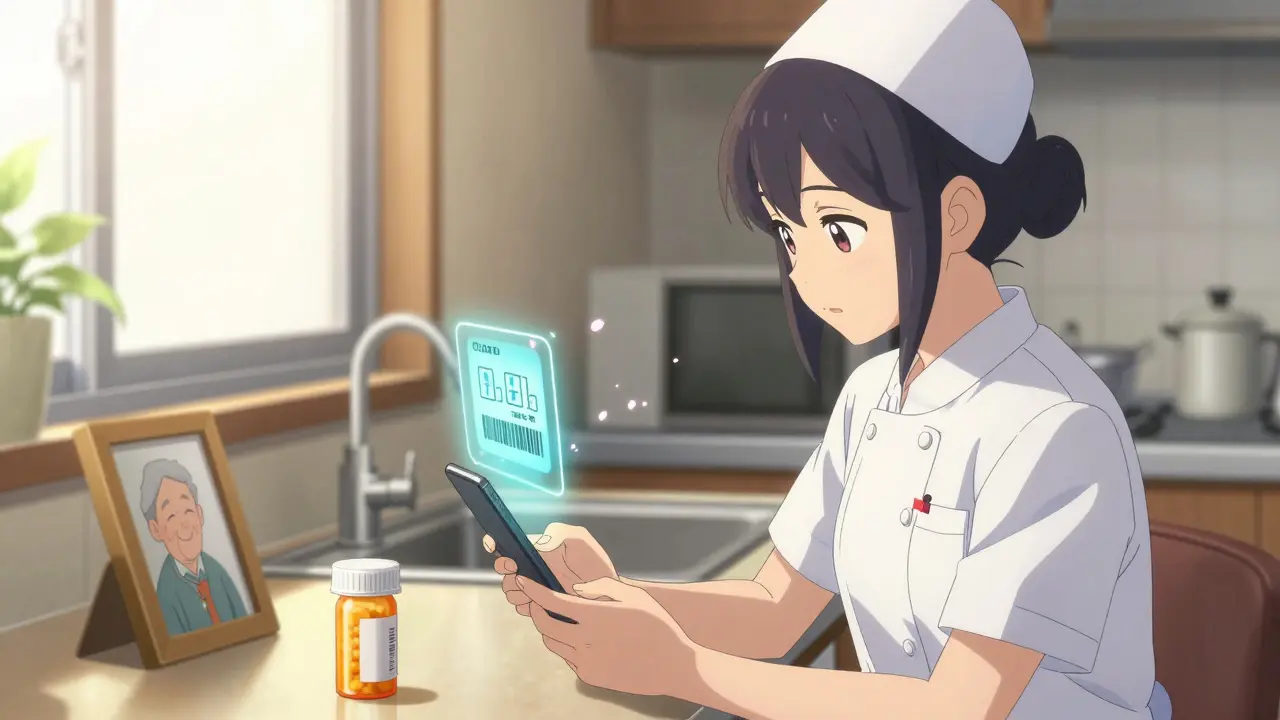
Many pharmacies, especially in hospitals, use locked cabinets that only release medication when a nurse scans their badge and enters a patient ID. These aren’t just secure-they’re smart. Every time a drug is taken out, the cabinet logs:
- Which medication was removed
- The lot number
- The expiration date
- Who took it
- When
TouchPoint Medical reports that these cabinets reduce medication errors by up to 60%. They also auto-update inventory levels. If a drug is running low, the system alerts the pharmacy before it hits zero. No more last-minute scrambles during shift changes.
For controlled substances like opioids, ADCs are mandatory under DEA rules. But they’re just as useful for routine antibiotics or blood pressure pills. The system doesn’t care what the drug is-it just makes sure nothing outdated leaves the cabinet.
Mobile Solutions for EMS and Home Care
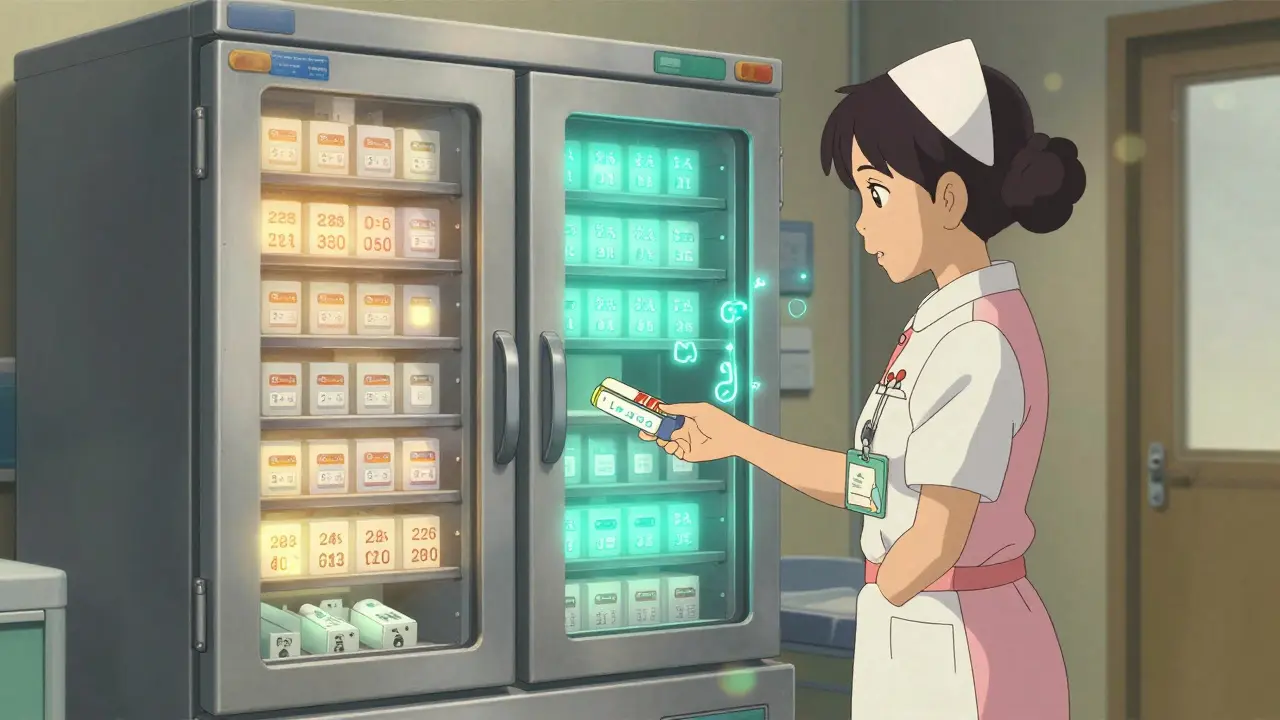
Not every setting has a full pharmacy department. Emergency medical services, home health nurses, and paramedics need something lighter. That’s where LogRx comes in. It runs on any iPhone or Android device. No special hardware. Just scan the barcode on the pill bottle, and the app checks the expiration date in real time.
Portland Fire & Rescue started using LogRx in 2023. Their paramedics used to carry 20 different medications in their ambulances. Checking each one before every call took time. Now, they scan once, and the app tells them instantly if anything’s expired. They’ve cut their administrative workload by 70% and say DEA inspections are now a breeze.
Elite EMS in the UK says the same thing. They’ve been recognized for going above standard practices-simply because they started using a simple app that does one thing well: prevent expired meds from being used.
What You Need to Get Started
Getting technology into your pharmacy or care setting isn’t as hard as it sounds. Here’s what it usually takes:
- Assess your needs - Are you a hospital with 500 beds? A small clinic? A home care agency? Your solution will vary.
- Choose the right system - RFID for large-scale inventory, eMAR for patient records, mobile apps for field teams.
- Tag your inventory - If using RFID, medications need to be pre-tagged. This can take 40-80 hours for a mid-sized pharmacy, but it’s a one-time task.
- Train your staff - Most resistance comes from unfamiliarity. Show them how it saves time. Demonstrate the scan that replaces 20 manual checks.
- Test and integrate - Make sure the system talks to your existing pharmacy software. Integration failures are the #1 cause of early rollout problems.
Most implementations take 8 to 17 weeks from start to full use. But the payoff is quick. Hospitals report paying for their RFID systems within the first year just from reduced waste and labor savings.
What’s Coming Next
The next wave of innovation is already here. AI is being tested to predict when a medication is likely to expire based on usage patterns-not just calendar dates. One company, Intelliguard Health, piloted a system in early 2025 that flags drugs likely to expire before they’re even ordered. It’s like a smart forecast for your medicine cabinet.
Blockchain is also being explored to track drugs from manufacturer to patient. If a pill is recalled, you’ll know exactly which patients got it-and which ones didn’t.
By 2027, Gartner predicts nearly half of all U.S. hospitals will use RFID for medication tracking. Right now, only about 25-30% do. The gap is closing fast.
Real Results, Real Savings
A 2024 study in the Journal of Hospital Pharmacy found that hospitals using automated tracking saved between $120,000 and $300,000 per year. That’s not theoretical. It’s from real data:
- Less waste = fewer expired drugs thrown away
- Less time spent counting = staff can focus on patients
- Fewer compliance violations = no fines from FDA or DEA
- Better patient outcomes = fewer adverse reactions
At UF Health Shands, a pharmacist coordinator said after three years of using RFID: "We used to spend hours checking crash carts. Now we check them in seconds. We’re thinking about expanding it to the operating rooms next."
Is This Right for You?
You don’t need to be a hospital to benefit. Even small clinics, hospices, and home care providers can start small. A $500 mobile app like LogRx can do more than a manual logbook. A single RFID scanner and a few tagged boxes can eliminate the guesswork in a home pharmacy.
The key is not to wait until something goes wrong. Expiration tracking isn’t about technology for technology’s sake. It’s about making sure the right medicine, in the right dose, reaches the right person-on time, every time.
Can I use my smartphone to check if my medications are expired?
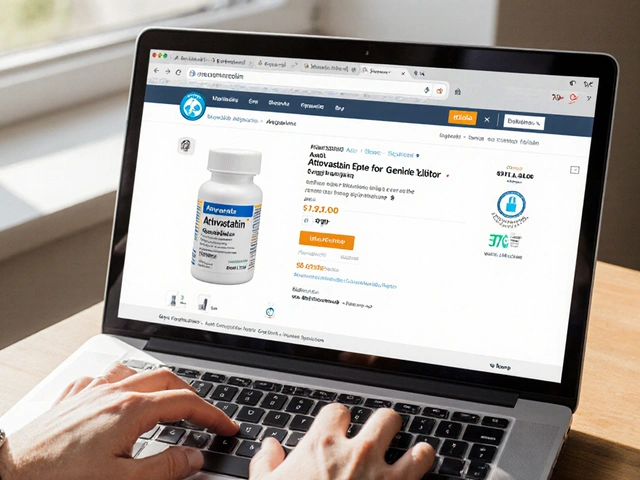
Yes. Apps like LogRx and others let you scan the barcode on your prescription bottle using your phone’s camera. The app checks the expiration date against the manufacturer’s database and alerts you if it’s expired or about to expire. These are especially useful for home use, EMS, and small clinics without full pharmacy systems.
Do all medications have expiration dates on their packaging?
Most do, but not all. Over-the-counter pills and liquid antibiotics almost always have expiration dates printed on the label. Some older medications, especially those repackaged by pharmacies, may not. If the date is missing, contact the pharmacy or manufacturer. Automated systems like RFID and eMAR require the date to be digitally recorded-so if it’s not on the package, it won’t be tracked.
Are RFID systems expensive to install?
Initial costs range from $50,000 to $200,000 depending on the size of the facility and number of tags needed. But the return on investment is strong. Hospitals typically recover their costs within a year through reduced waste, fewer labor hours, and fewer compliance penalties. Smaller facilities can start with mobile apps under $1,000 per year instead.
What happens if a medication expires while in storage?
Smart systems block expired medications from being dispensed. In RFID and eMAR systems, the software automatically prevents the drug from being selected during checkout or administration. In ADCs, the cabinet won’t unlock for an expired item. This isn’t a reminder-it’s a hard stop. It’s designed to prevent human error.
Can these systems track controlled substances like opioids?
Yes. In fact, automated systems are required by the DEA for tracking controlled substances. ADCs and eMAR platforms log every dose, who took it, and when. They also flag expired controlled drugs immediately. This helps prevent diversion and ensures compliance with federal regulations.


15 Comments
This is awesome 😊 I work in a small clinic and we just started using LogRx last month. My nurse said she saved like 45 minutes a day just scanning bottles instead of writing dates on sticky notes. We’re already planning to get RFID tags for our high-cost meds next quarter.
Also, no more ‘did we check that one?’ debates. Just scan and move on. Life changed.
I love how this isn’t just about tech for tech’s sake. It’s about protecting people. 💖 My mom’s home nurse used to guess expiration dates because the label faded. Now she uses an app. She told me last week, ‘I finally feel like I’m not playing Russian roulette with her meds.’ That’s the real win.
The reduction in waste alone justifies adoption. Hospitals report 15-20% less disposal. That’s not just cost savings-it’s environmental responsibility. We should be thinking about pharmaceutical waste as seriously as plastic waste.
You don’t need a million-dollar system to start. A $500 app and a barcode scanner can save lives. Seriously. Just try it. Your staff will thank you. Your patients will live longer. It’s that simple.
I’ve been in pharmacy for 22 years. Manual tracking was the norm. I’ve seen people get sick because of expired insulin. What’s wild is how little we talked about this before. Now that tech makes it easy, why aren’t we all doing it? The barrier isn’t cost-it’s inertia.
This is the future. Not just tracking expiration dates. But predicting them. AI that says ‘this beta-blocker is gonna expire before your next refill’? That’s not magic. That’s justice. We’re finally treating medicine like the science it is-not a guessing game. 🌟
So you’re telling me we spent decades letting people die from expired meds because we were too lazy to barcode them? Wow. Just wow. And now you want a medal for fixing something that should’ve been basic in 1995?
RFID? Really? That’s the solution? We’re talking about pills here. Not nuclear warheads. This feels like overkill. Someone’s gonna get rich selling tags while the real problem-poor training and understaffing-goes ignored.
I work in a rural clinic with 3 nurses and 1 pharmacist. We use LogRx. It’s free for nonprofits. Scanning takes 3 seconds. No more ‘I think this is still good.’ Just scan. Know. Move on. The difference? We haven’t had a single near-miss since we started.
Wait… so if I scan my meds at home and it says expired… do I just throw them out? Or is there a way to return them? I’m asking because my cousin’s pharmacy told her to flush them. That feels wrong.
The integration of blockchain with RFID and eMAR is the next logical evolution. We must establish immutable drug lineage from manufacturer to bedside. This is not optional. It is regulatory imperative. The global supply chain demands zero tolerance for traceability failure. Time to scale.
Used LogRx on a UK ambulance last month. Game changer. No more opening 20 vials to check dates. One scan. Done. Even the paramedics who swore they’d never use ‘that phone thing’ are now the biggest fans. 🚑
Let’s be real. This is all just corporate surveillance wrapped in a white coat. RFID tags? Blockchain? Who owns the data? Who profits? And who gets left behind when the system goes down? This isn’t innovation-it’s control disguised as safety.
I read somewhere that 70% of expired meds are from storage mismanagement. Not scanning. Not tech. Just bad storage. Heat. Humidity. Light. You can have all the scanners in the world, but if your pharmacy closet is a sauna, nothing helps. Are we ignoring the root cause?
Ohhh so now we’re using tech to fix the problem we created by underfunding healthcare? Brilliant. Let’s just scan our way out of having enough staff. Classic. 😏
Write a comment