
MAOI Interaction & Safety Checker
Select a medication or food item to check its safety profile when combined with an MAOI.
Waiting for Selection
Choose a medication or food from the left panel to view compatibility details.
Imagine you have been fighting depression for years. You have tried the standard medications, but nothing has stuck. Finally, a psychiatrist suggests MAOIs, or monoamine oxidase inhibitors. These are powerful, older antidepressants that can work when newer drugs fail. But there is a catch. Mixing them with the wrong medication can be fatal.
The fear surrounding MAOIs is not just old-fashioned caution; it is rooted in real, life-threatening chemistry. The most dangerous risk is serotonin syndrome, a condition where too much serotonin builds up in your brain, causing high fever, rigid muscles, and potentially death. However, not all combinations are deadly. Some antidepressants pair safely with MAOIs to boost effectiveness for treatment-resistant depression.
Why MAOIs Are Different
To understand the danger, you first need to know how these drugs work. Most modern antidepressants, like SSRIs, stop your brain from reabsorbing serotonin. MAOIs take a different approach. They block an enzyme called monoamine oxidase, which normally breaks down neurotransmitters like serotonin, norepinephrine, and dopamine. By stopping this breakdown, MAOIs keep these chemicals available in your brain for longer.
This mechanism makes them incredibly effective for atypical depression-symptoms like heavy limbs, oversleeping, and extreme sensitivity to rejection. Studies show response rates of 40-60% in patients who have failed other treatments. But because they stop the breakdown of serotonin, adding another drug that increases serotonin creates a perfect storm. Your body cannot clear the excess chemical fast enough.
The Deadly Combinations: SSRIs and SNRIs
If you are taking an MAOI, you must avoid SSRIs (selective serotonin reuptake inhibitors) and SNRIs (serotonin-norepinephrine reuptake inhibitors). This includes common drugs like fluoxetine (Prozac), sertraline (Zoloft), citalopram (Celexa), and venlafaxine (Effexor).
The FDA mandates a boxed warning against this combination. A 1995 study published in the Journal of Clinical Psychiatry highlighted the severity: seven out of eight reported adverse events involving fluoxetine and MAOIs resulted in fatalities. The key factor was often timing. Adding an MAOI after starting fluoxetine proved particularly lethal due to fluoxetine’s long half-life.
You cannot just stop one drug and start the other immediately. You need a "washout period" to let the previous drug leave your system completely:
- From SSRI to MAOI: Wait 14 days after stopping most SSRIs. If you were taking fluoxetine (Prozac), wait 5 weeks because it stays in your body much longer.
- From MAOI to SSRI: Wait 14 days after stopping the MAOI to allow your monoamine oxidase enzymes to recover.
Failing to respect these windows leaves residual drugs in your system, triggering serotonin syndrome even if you think you have switched cleanly.
The Tricyclic Antidepressant (TCA) Debate
The rules get more complicated with Tricyclic Antidepressants (TCAs), such as amitriptyline, nortriptyline, and clomipramine. Historically, doctors avoided mixing TCAs with MAOIs due to theoretical risks of serotonin toxicity. However, recent evidence suggests this prohibition might be too strict for some cases.
A 2022 review noted that the risk of serotonin syndrome from combining MAOIs and certain TCAs may be overestimated. In fact, some specialists successfully combine them for severe treatment-resistant depression. For example, a study by Dr. J. David Amsterdam showed a 57% response rate in patients using phenelzine (an MAOI) plus nortriptyline (a TCA).
But there are strict conditions:
- Order matters: You must introduce the TCA first, or start both simultaneously. Starting the MAOI first significantly increases the risk of adverse effects.
- Avoid Clomipramine: Clomipramine (Anafranil) has potent serotonin-blocking effects and should never be combined with an MAOI.
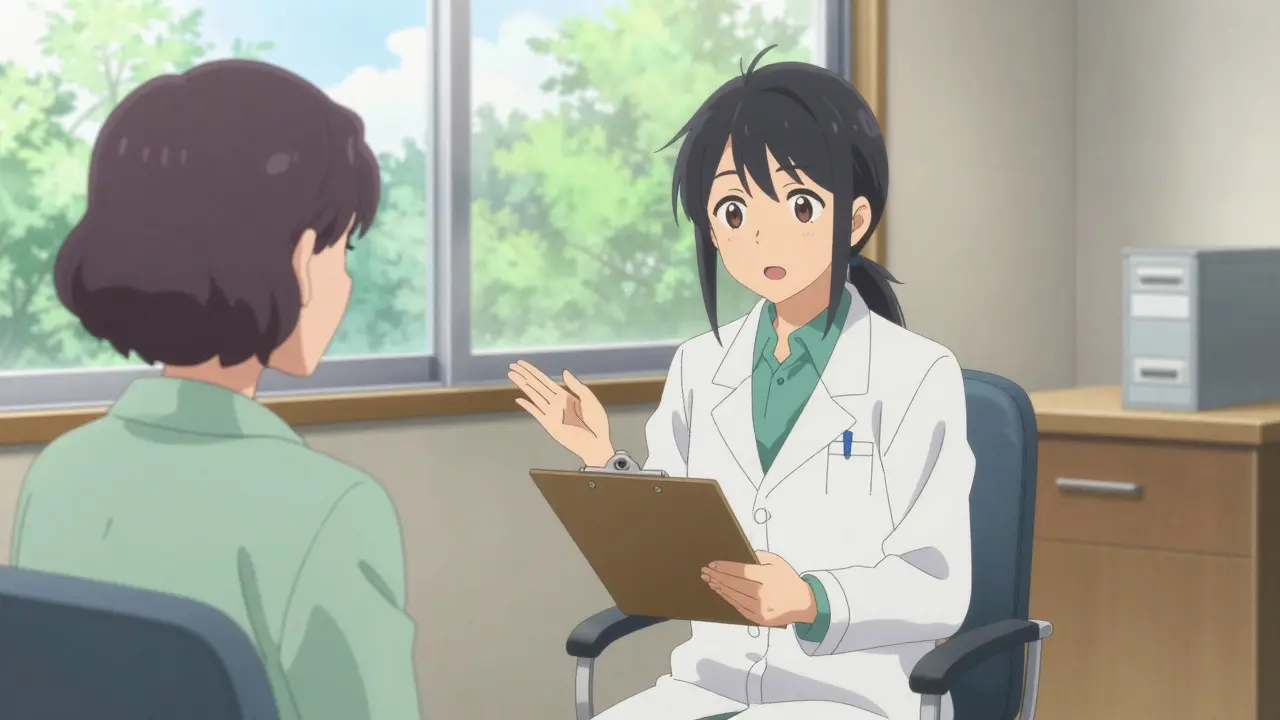
- Expert supervision only: This combination requires careful dose titration and monitoring by a psychiatrist experienced in complex pharmacology.
Safer Alternatives for Combination Therapy
If you are on an MAOI and still struggle with symptoms, you do not have to go without help. Several antidepressants lack significant serotonin reuptake inhibition, making them safer partners for MAOIs. Experts like Dr. Kenneth Heilman identify three main options:
| Medication | Class | Why It Works Safely |
|---|---|---|
| Bupropion (Wellbutrin) | Norepinephrine-dopamine reuptake inhibitor | Does not affect serotonin levels significantly. |
| Mirtazapine (Remeron) | Tetracyclic antidepressant | Works on different receptors; no direct serotonin reuptake inhibition. |
| Trazodone | SARI | Weak serotonin reuptake inhibition; primarily used for sleep/anxiety. |
Bupropion is often preferred for boosting energy and motivation. Mirtazapine can help with sleep and appetite, which are common issues in depression. Trazodone is frequently added at low doses to help with insomnia. When adding any of these, clinicians follow the "start low, go slow" principle, changing only one medication at a time to monitor for side effects.
Dietary Restrictions and Tyramine
Drug interactions are not the only concern. MAOIs also interact with food. Specifically, they block the breakdown of tyramine, a substance found in aged and fermented foods. If you eat high-tyramine foods while on an MAOI, your blood pressure can spike dangerously, leading to a hypertensive crisis.
You must avoid:
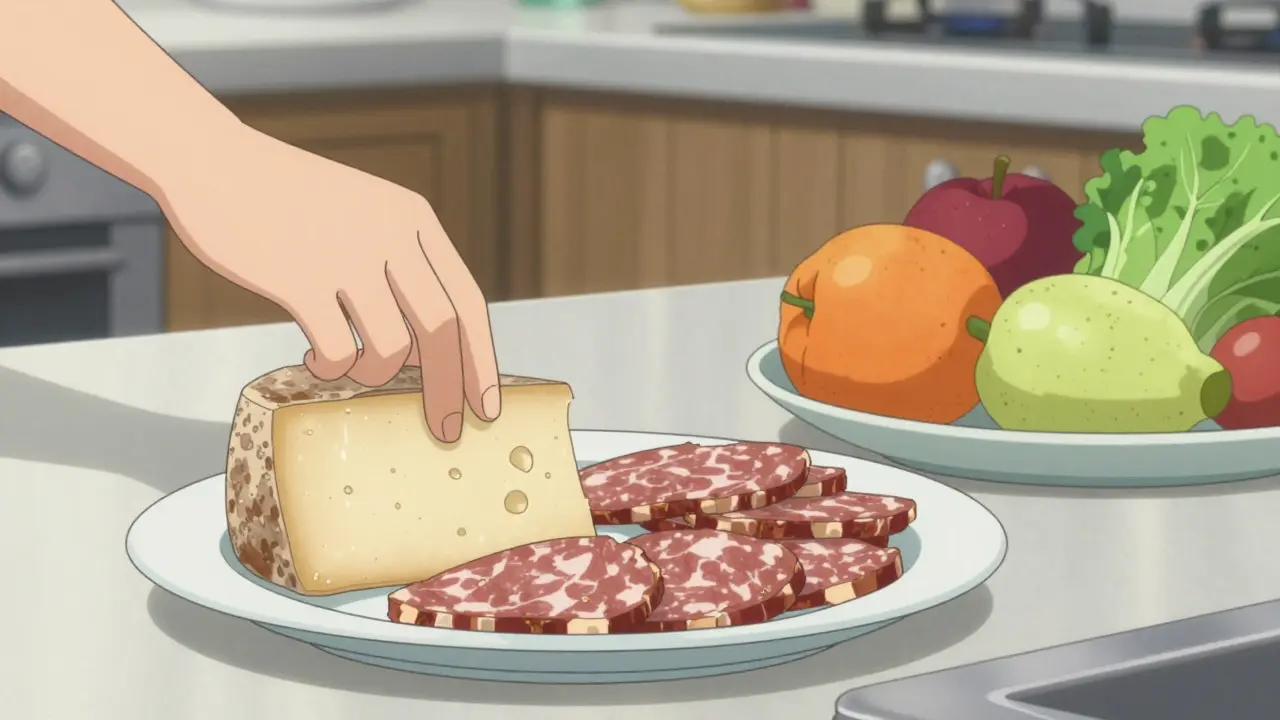
- Aged cheeses (like blue cheese, cheddar, parmesan)
- Tap beers and red wines
- Fermented sausages (salami, pepperoni)
- Cured meats
- Soy sauce and fermented bean pastes
These restrictions apply while you are taking the medication and for two weeks after you stop. However, there is a modern alternative: the selegiline patch (Emsam). Because it delivers the drug through the skin directly into the bloodstream, lower doses (6mg/24hr) bypass the liver initially, reducing dietary restrictions. About 70% of users on this low dose do not need to modify their diet.
Stopping MAOIs Safely
Quitting an MAOI abruptly is not recommended. Discontinuation syndrome can cause restlessness, upset stomach, tingling sensations, flu-like symptoms, and severe headaches. A 2004 study found that 62% of patients experienced restlessness and 71% had sleep disturbances when stopping suddenly.
Your doctor will likely taper the dose gradually over 2 to 4 weeks. During this time, continue to follow dietary restrictions until two weeks after your last dose. This ensures your body’s natural enzyme systems have fully recovered before you reintroduce tyramine-rich foods or other serotonergic drugs.
When to Consider MAOIs
Despite the risks, MAOIs remain a vital tool. Approximately 20-30% of depression cases are classified as treatment-resistant. For these patients, MAOIs offer a chance at remission when other options have failed. The key is expertise. Only about 32% of psychiatry residents feel adequately trained in MAOI management, so finding a specialist who understands these nuances is crucial.
If you are considering this path, ask your doctor about:
- Specific washout periods based on your current medications.
- Whether a transdermal patch might reduce dietary burdens.
- Safe augmentation strategies if the MAOI alone isn’t enough.
With careful planning and monitoring, MAOIs can transform lives that have been stalled by resistant depression.
Can I take Prozac (fluoxetine) with an MAOI?
No. Combining fluoxetine with an MAOI carries a high risk of fatal serotonin syndrome. You must wait at least 5 weeks after stopping fluoxetine before starting an MAOI due to its long half-life. Conversely, wait 14 days after stopping an MAOI before starting fluoxetine.
Are there any antidepressants safe to mix with MAOIs?
Yes. Bupropion, mirtazapine, and trazodone are generally considered safe to combine with MAOIs because they do not strongly inhibit serotonin reuptake. Always consult your psychiatrist for proper dosing and monitoring.
What foods should I avoid while taking MAOIs?
Avoid high-tyramine foods such as aged cheeses, tap beers, red wine, fermented sausages, cured meats, and soy sauce. These can trigger a hypertensive crisis (dangerously high blood pressure) when combined with MAOIs.
How long do I need to wait after stopping an MAOI to start another antidepressant?
You typically need to wait 14 days after stopping an MAOI before starting an SSRI, SNRI, or other serotonergic drug. This allows your body’s monoamine oxidase enzymes to regenerate. Dietary restrictions also apply for this 2-week period.
Is the selegiline patch safer than oral MAOIs regarding diet?
At lower doses (6mg/24hr), the transdermal selegiline patch (Emsam) reduces systemic exposure to the drug, allowing many users to avoid strict dietary restrictions. Higher doses still require tyramine avoidance.