Fake pills are not just a movie plot; they are a real and dangerous threat. The World Health Organization estimates that up to 1% of the global pharmaceutical supply is compromised by counterfeit drugs, which are medicines that fraudulently misrepresent their identity, composition, or source. This represents roughly $200 billion in annual losses worldwide. For pharmacists and healthcare administrators, the stakes are even higher than money. A single bad batch can harm patients and destroy a pharmacy’s license. That is why understanding legitimate drug procurement standards, which are the regulatory and operational rules governing how pharmacies must buy, verify, and track medications to ensure safety, is no longer optional. It is the backbone of patient safety.
You might think buying from a known distributor is enough. But the rules have changed. The landscape of pharmacy sourcing requirements, which refer to the specific legal and procedural obligations pharmacies must follow when acquiring inventory from manufacturers and wholesalers, has become incredibly complex. With new digital tracking mandates and stricter supplier vetting protocols, knowing where your medicine comes from-and proving it-is now part of your daily job. If you get it wrong, you risk massive fines, product recalls, and worse, patient injury. Let’s break down exactly what you need to do to stay compliant and safe.
The Core Rulebook: Understanding DSCSA Compliance
If there is one law you need to know, it is the Drug Supply Chain Security Act (DSCSA), which is a U.S. federal law enacted in 2013 to create an electronic, interoperable system for tracing prescription drugs through the supply chain. Passed in 2013, this act was designed to build a digital paper trail for every pill. By November 2023, the deadline hit for full implementation of product tracing systems. What does this mean for you? It means you cannot just accept a box of drugs and file the invoice. You must exchange three specific things with your trading partners: transaction information, transaction history, and transaction statements.
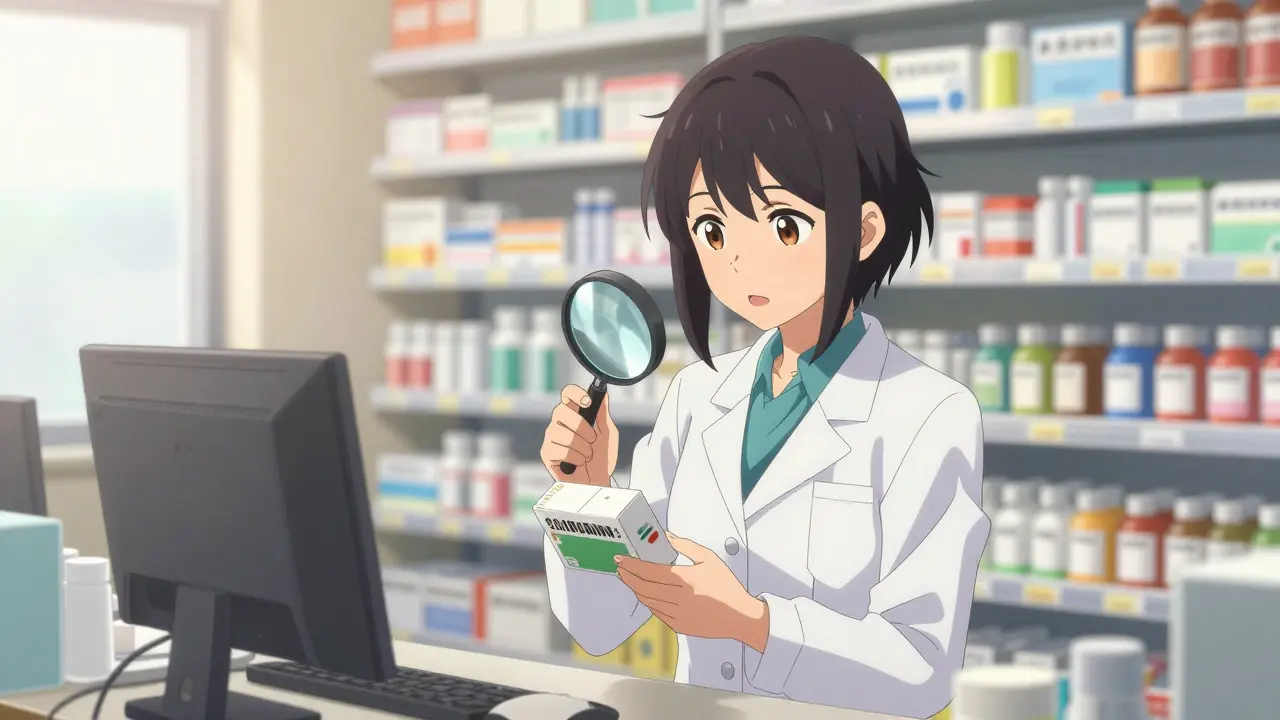
This isn’t just paperwork. It is a security protocol. When you receive a shipment, your system needs to verify that the data matches the physical product. The FDA requires this to stop fake drugs from entering the legitimate chain. If a wholesaler cannot provide this digital handshake, you should not take the delivery. In fact, recent reports show that over 58% of health systems struggle with incomplete transaction data from suppliers. Don’t let that be you. Ensure your software integrates seamlessly with your distributors’ systems. If the data doesn’t flow electronically and interoperably, the deal is too risky.
Vetting Your Suppliers: Beyond the Price Tag
It is tempting to go with the cheapest option, especially when margins are tight. But in pharmaceuticals, the lowest price often hides the highest risk. The American Society of Health-System Pharmacists (ASHP) provides clear guidelines on selecting suppliers, and they emphasize that you must look beyond the bottom line. You need to verify seven key criteria before signing any contract.
- Regulatory Licenses: Does the supplier have current FDA registration and state pharmacy licenses? Check this yourself. Do not rely on their word.
- Good Manufacturing Practices (cGMP): Can they prove they follow cGMP standards? This ensures the drugs are made cleanly and consistently.
- Quality Management Systems: Do they have documented processes for handling errors and quality control?
- Recall History: Have they had frequent recalls or adverse events? A clean record is a good sign, but transparency about past issues is better.
- Security Measures: How do they prevent diversion? Look for robust physical and digital security at their warehouses.
- Financial Stability: Are they likely to stay in business? A bankrupt supplier leaves you without stock and potentially with unresolved liability.
- DSCSA Adherence: Can they demonstrate full compliance with tracing requirements?
Dr. Elena Petrova, an expert in global supply chains, puts it bluntly: "A pharmaceutical supply chain is only as strong as its weakest link, and often, that link is an unvetted supplier." Studies show that health systems using all seven of these criteria reduced medication errors related to procurement by 63%. That is a huge win for patient safety. Take the time to audit your vendors. Ask for their documentation. If they hesitate, walk away.
Tracking and Tracing: The Digital Paper Trail
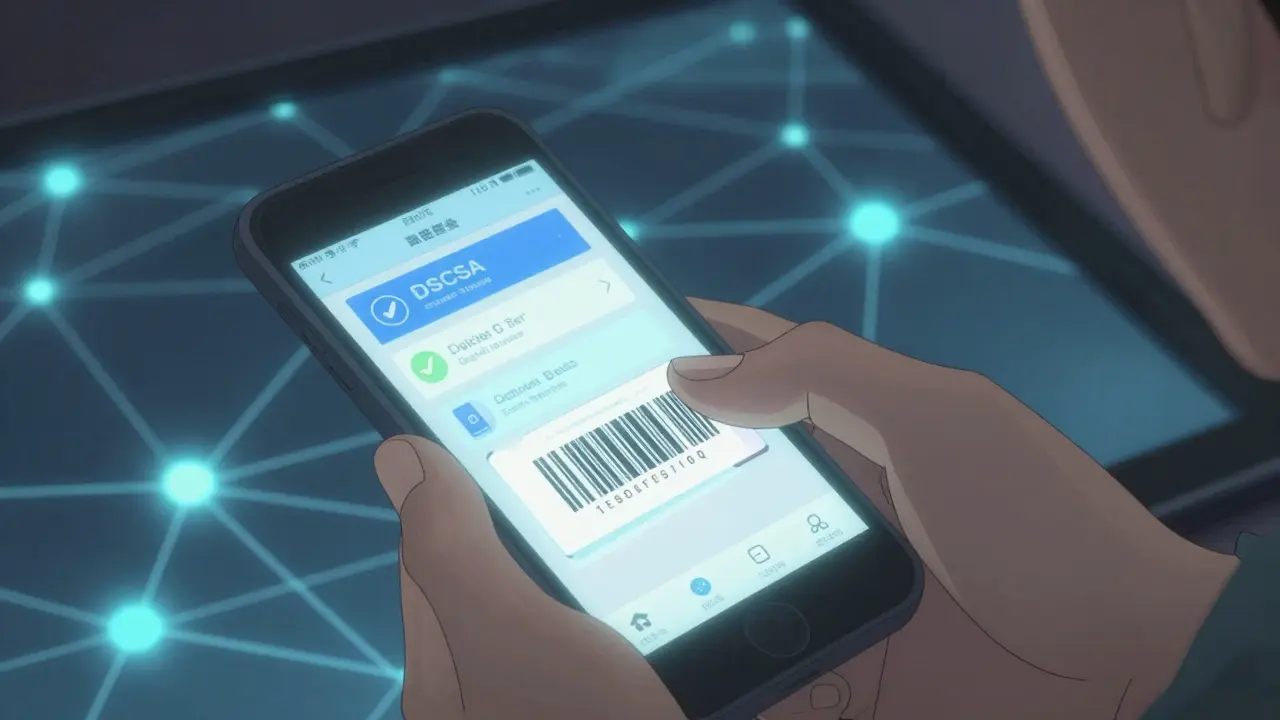
Gone are the days when a lot number and expiration date were enough. Today, you need a complete digital history. The DSCSA mandates that you maintain records of all transactions for at least six years. But more importantly, you need real-time verification. The ASHP recommends implementing barcode scanning for 100% of incoming pharmaceutical products. Why? Because it verifies the product identity against your purchase order instantly.
Imagine receiving a shipment. You scan the National Drug Code (NDC). Your system checks it against the expected order. If there is a mismatch-wrong lot, expired date, or unrecognized manufacturer-the system flags it immediately. This prevents contaminated or stolen drugs from reaching your shelves. Some pharmacies still rely on manual checks, but that is a recipe for disaster. Human error is inevitable. Automated scanning is not. Invest in technology that integrates with your Enterprise Resource Planning (ERP) system and Electronic Medical Record (EMR). This creates a seamless loop of data that protects you and your patients.
| Procurement Method | Risk Level | Cost Impact | Compliance Complexity |
|---|---|---|---|
| Authorized Distributors (White Bag) | Low | Higher (5-15% premium) | Standard |
| Patient-Sourced (Brown Bagging) | High | Variable | Very High (Verification difficult) |
| Direct Specialty Pharmacy (White Bagging) | Medium-High | Moderate | High (Complex logistics) |
| 340B Program Direct Contracting | Lowest | Lower (Discounted) | High (Strict auditing) |

Avoiding Common Pitfalls in Sourcing
Even experienced pharmacists make mistakes. One common trap is relying too heavily on Group Purchasing Organizations (GPOs) without doing your own due diligence. While GPOs can help with centralized compliance verification, they are not a shield against negligence. You are still responsible for ensuring that every product meets local and federal standards. Another pitfall is ignoring temperature controls. For refrigerated products, maintaining 2-8°C is critical. If your supplier cannot provide continuous temperature monitoring data during transit, the product integrity is compromised. Quarantine those goods immediately.
Also, beware of "gray market" imports. These are genuine drugs bought abroad and resold in the U.S., but they often lack proper English labeling, appropriate storage conditions, or valid traceability records. The FDA strictly prohibits the reimportation of prescription drugs unless under very specific pilot programs. Stick to licensed domestic wholesalers who participate in the Verified-Accredited Wholesale Distributors (VAWD) program. As of 2023, 49 states require this accreditation. It is a reliable marker of legitimacy.
Future-Proofing Your Pharmacy Operations
The regulations are not slowing down; they are accelerating. The FDA is pushing for enhanced drug tracing, and by 2026, industry analysts predict that 90% of pharmaceutical transactions will use artificial intelligence for anomaly detection. AI can spot patterns that humans miss, such as unusual shipping routes or inconsistent batch numbers, potentially reducing counterfeit incidents by up to 75%. Start preparing now. Train your staff on these emerging technologies. Consider getting certified through the Healthcare Supply Chain Association’s Certified Health Care Supply Chain Professional (CHCSCP) program. It takes about six months, but it pays off in confidence and competence.
Remember, compliance is not a one-time project. It is a continuous process. Conduct quarterly audits of your supplier documentation. Review your transaction histories regularly. Stay updated on changes to the 340B Drug Pricing Program and other federal guidelines. The goal is to create a culture of vigilance where every team member understands that sourcing decisions directly impact patient lives. When you prioritize legitimate procurement standards, you protect your reputation, your bottom line, and most importantly, your community.
What happens if I fail to comply with DSCSA tracing requirements?
Non-compliance can result in severe penalties, including fines, suspension of licenses, and mandatory product recalls. The FDA actively monitors suspicious activity reports, and failure to provide transaction history can lead to the quarantine of entire inventories, causing significant financial loss and operational disruption.
How long must I keep records of pharmaceutical transactions?
Under current regulations, you must maintain detailed records of all pharmaceutical transactions for a minimum of six years. This includes transaction information, history, and statements exchanged with trading partners.
Is it safe to buy drugs from international suppliers?
Generally, no. International procurement carries high risks due to varying regulatory standards and lack of traceability. The FDA restricts reimportation, and gray market imports often lack proper verification. Stick to licensed domestic wholesalers accredited through the VAWD program to ensure safety and compliance.
What is the role of barcode scanning in drug procurement?
Barcode scanning verifies the National Drug Code (NDC), lot number, and expiration date against your purchase order. The ASHP recommends scanning 100% of incoming products to instantly detect mismatches, preventing counterfeit or expired drugs from entering your inventory.
How can small independent pharmacies afford compliance costs?
Independent pharmacies face higher relative compliance costs. Joining a Group Purchasing Organization (GPO) can help share the burden of verification and auditing. Additionally, leveraging cloud-based DSCSA-compliant software solutions can reduce the need for expensive in-house IT infrastructure while maintaining necessary traceability.