
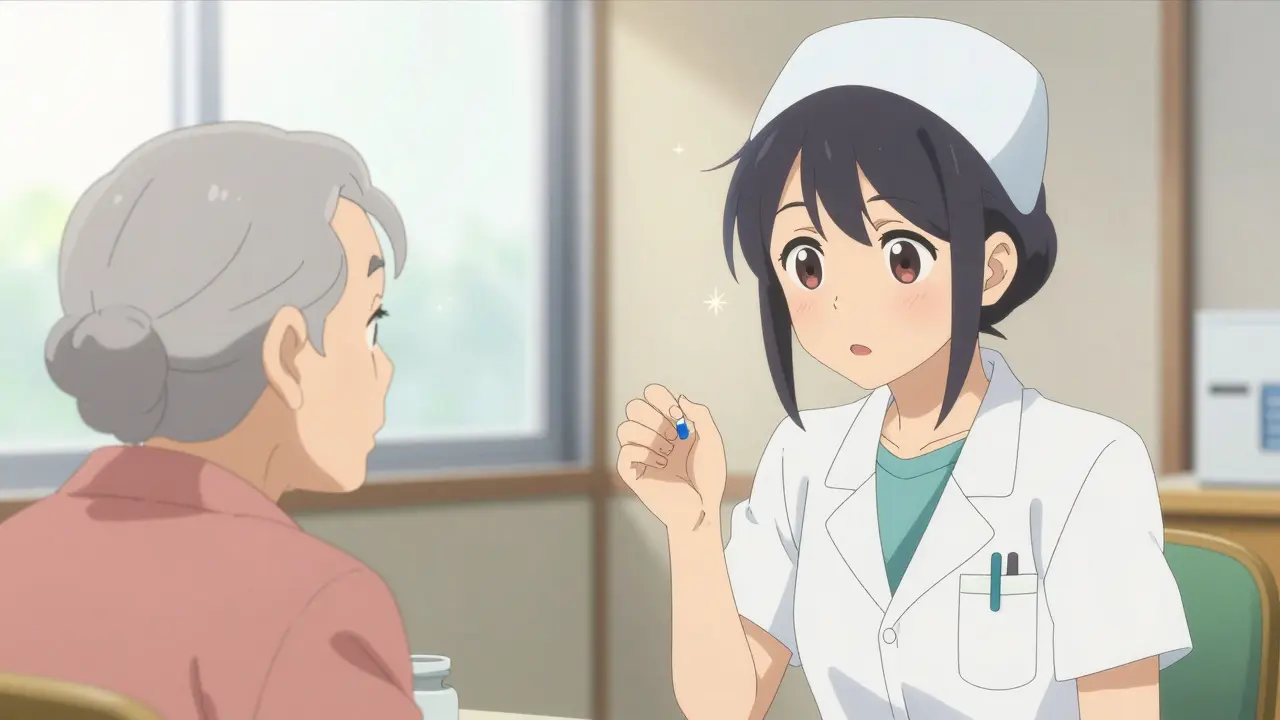
Imagine telling a patient that their medication is just as effective as the brand-name version, only to have them refuse it because the pill is blue instead of white. It happens more often than you'd think. Despite decades of science, a massive gap exists between what we know about generic drugs and what the public believes. In fact, nearly half of all Americans have mistakenly believed that generics are less effective than their brand-name counterparts. This isn't just a misunderstanding; it's a barrier to care that keeps people from accessing affordable, life-saving medicine.
Whether you are a community health worker, a pharmacist, or a clinic administrator, your goal is to bridge this gap. The challenge isn't a lack of data-it's a lack of clear, relatable communication. When people feel uncertain about their medicine, they stop taking it. By using the right public education resources, you can turn that hesitation into confidence and help patients save significant amounts of money without compromising their health.
The Core Truth About Generic Equivalence
To give a great presentation, you first need to be armed with the hard facts. A Generic Drug is a medication created to be the same as an already marketed brand-name drug in dosage form, safety, strength, route of administration, quality, and purity. It isn't a "cheap knock-off"; it's a scientific duplicate.
The U.S. Food and Drug Administration (or FDA) ensures this through a strict process. For a generic to be approved, it must prove bioequivalence. In plain English, this means the drug must deliver the active ingredient into the bloodstream at a rate and concentration that is virtually identical to the brand name. Specifically, the FDA requires the concentration to fall within a tight window of 80% to 125% of the brand-name version. When you see a generic on the shelf, it has passed these rigorous clinical tests.
Why do they look different then? The "inactive ingredients"-the dyes, binders, and fillers-can vary. This is where most patient confusion starts. A pill might change from a round tablet to an oval one, or from yellow to pink, but the active chemical that actually treats the disease remains exactly the same.
Using FDA Education Resources in Your Presentations
You don't have to build your presentation slides from scratch. The FDA's Office of Generic Drugs maintains a massive library of over 2,100 resources available in both English and Spanish. If you're planning a community workshop, lean on these validated tools to add credibility to your talk.
The Generic Drugs Patient Education program provides a variety of formats that work well for different audiences:
- Infographics: Perfect for waiting room posters or handouts that visually compare the costs of brand vs. generic.
- Fact Sheets: Great for those who want the technical details on how bioequivalence is tested.
- "Generics 101" Videos: These are especially effective for seniors and Medicare beneficiaries, as they simplify complex concepts into short, digestible clips.
- Provider Toolkits: These offer evidence-based communication strategies to help you handle tough questions from skeptical patients.
When presenting, avoid using overly academic language. Instead of saying "pharmacokinetic endpoints," say "how the drug moves through your body." The goal is accessibility, not a lecture in pharmacology.

The Economic Impact: Why Generics Matter
Cost is the most immediate benefit of generics, but it's often the most underestimated. On average, generic medications cost 80% to 85% less than their brand-name versions. To put this in perspective, the use of generics saves the U.S. healthcare system roughly $377 billion every single year. For an individual patient, this can be the difference between skipping a dose or staying consistent with their treatment.
| Feature | Brand-Name Drug | Generic Equivalent |
|---|---|---|
| Active Ingredient | Original Formula | Identical to Brand |
| FDA Approval Process | Full New Drug Application | Abbreviated New Drug Application (ANDA) |
| Cost to Patient | Higher (due to R&D and marketing) | Significantly Lower |
| Appearance (Color/Shape) | Standardized | May vary from brand |
| Clinical Efficacy | Baseline standard | Bioequivalent (Same effect) |
This affordability directly impacts health equity. Data shows that switching to generics improves medication adherence by about 22% among low-income populations. When the price drops, the patient's ability to stay healthy increases.
Handling Common Patient Objections
Even with the best slides, you'll face pushback. Most of it stems from the "nocebo effect"-where a patient feels a negative side effect simply because they believe a drug is inferior. If a patient tells you, "I can feel that the generic isn't working as well," don't dismiss them. Acknowledge the feeling, then pivot back to the science.
Different therapeutic classes also have different acceptance rates. For example, people are very comfortable with generic heart medications, but they are often more nervous about generics for the central nervous system. If you're presenting to a group focusing on mental health or neurology, spend extra time explaining the bioequivalence of these specific drugs.
One of the most powerful tools in your arsenal is the "Teach-Back" method. Instead of asking, "Do you understand?" (to which everyone says "yes"), ask them, "To make sure I explained this clearly, could you tell me in your own words why a generic drug works the same as a brand-name one?" This confirms they've actually absorbed the information.

Special Considerations for Complex Generics
Not all generics are simple pills. As the market evolves, we're seeing more "complex generics," such as inhalers, injectable creams, and long-acting patches. These are trickier because the *delivery system* (the device) is just as important as the drug itself. Patients are 40% more likely to be confused by these products than by standard tablets.
When educating a community on complex generics, focus on the device. Show them how to use the inhaler or apply the patch. Explain that while the device might feel slightly different, the medicine inside is meeting the same FDA standards. This prevents the physical difference of the device from being mistaken for a lack of efficacy in the medication.
Are generic drugs really as safe as brand-name ones?
Yes. The FDA requires generic drugs to have the same active ingredient, strength, dosage form, and route of administration as the brand-name version. They must also demonstrate bioequivalence, meaning they perform the same way in the body.
Why are generic drugs so much cheaper?
Generic manufacturers don't have to repeat the expensive clinical trials or spend millions on advertising that the original developer did. They can focus on production and pass those savings directly to the consumer.
Can a generic drug have different side effects than the brand name?
The active ingredient is the same, so the primary side effects are usually identical. However, because the inactive ingredients (fillers or dyes) can differ, a very small number of people may have a sensitivity to a specific filler in a generic version.
What should I do if my generic medication looks different?
Don't panic. It is common for generics to have different colors or shapes than the brand name. If you are concerned, verify the medication name and dosage with your pharmacist to ensure it is the correct equivalent.
Do all doctors recommend generics?
Most do, but some may suggest a brand name for specific high-risk medications where a tiny variation in absorption could be critical. However, for the vast majority of medicines, the American Medical Association and other bodies support generic use.
Next Steps for Community Educators
To move from a presentation to actual behavior change, you need a follow-up plan. Don't just give a speech and leave. Provide a clear path for the patient to take action.
- Distribute Toolkits: Give patients a physical checklist they can take to their next doctor's appointment to ask, "Is there a generic version of this medication that you recommend?"
- Partner with Local Pharmacies: Ensure the pharmacists in your area are using the same language you used in your presentation. Consistency between the educator and the provider is key.
- Target Rural Areas: Since generic utilization is lower in rural communities (78% vs 93% in cities), prioritize mobile health clinics and rural community centers for your next sessions.
- Focus on High-Doubt Areas: If you notice a lack of generics in CNS or neurology prescriptions in your area, tailor your next presentation specifically to those therapeutic classes.




7 Comments
basically the same story every time i go to the pharmacy lol people treat brand names like they are luxury handbags or something it is actually wild. just because it's cheaper doesnt mean its fake. the math is there. the fda is there. it is honestly a joke that we even have to have these conversations in 2024
It's so important to approach this with a lot of patience. For many people, especially those from different cultural backgrounds or those who have had bad experiences with healthcare, a change in the look of their medication can feel genuinely scary. By using these inclusive toolkits, we can make sure everyone feels seen and safe while they transition to more affordable options.
I've noticed a lot of people just need to feel heard before they'll trust the science. If you just tell them they're wrong, they shut down. Just listening to why they're nervous usually works better than any slide deck.
Oh sure, because a colorful infographic is definitely going to override decades of deep-seated distrust in the medical industrial complex. Truly revolutionary strategy here.
STOP EVERYTHING! 😱 We are talking about the LITERALLY LIFE-SAVING power of accessibility! It is an absolute tragedy-a complete and utter catastrophe-that people are skipping doses because of a tiny bit of dye! We must crusade through every rural village and city center! We must shout from the rooftops that bioequivalence is the gold standard! Imagine the millions of lives we can save just by changing the narrative! This isn't just medicine; it's a revolution of health equity! We cannot let a blue pill stand in the way of a healthy heart! The stakes are too high! The cost is too great! We must act now with everything we have! Let the information flow like a river! Let the ignorance be swept away by the tide of FDA-approved truth! We will bridge this gap if it is the last thing we do! Victory for the generics!
I agree with the point about the teach-back method. It really helps.
One must contemplate the profound dichotomy between the empirical reality of chemical synthesis and the subjective perception of the human mind. It is a testament to the fragility of human trust that a mere aesthetic variation in a tablet can supersede the rigorous validation of a governing body. Perhaps the true challenge lies not in the dissemination of data, but in the reconciliation of our innate fear of the unknown with the cold, hard precision of pharmaceutical science. We are attempting to quantify trust through a percentage of bioequivalence, yet trust remains an immeasurable quality of the soul.
Write a comment