Category: Medication Guides - Page 3
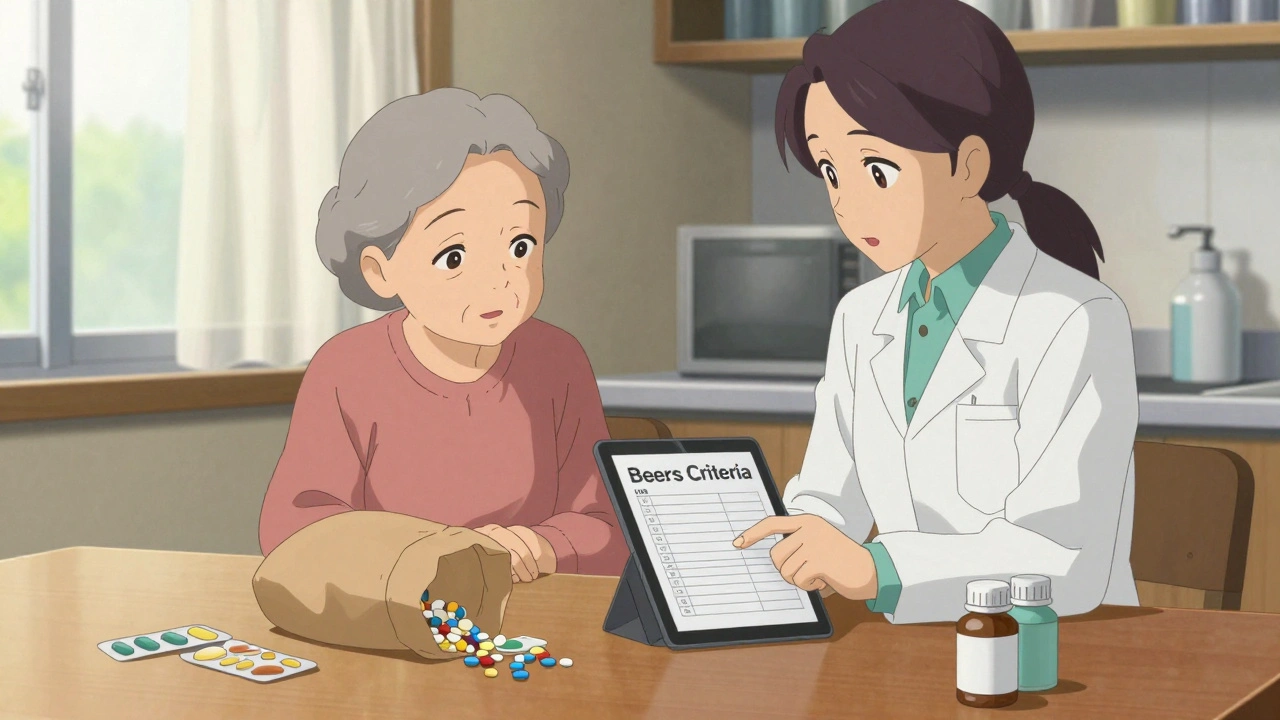
Medications That Are High-Risk for Seniors: What to Review
- By : Archer Hamilton
- Date : Dec 11 2025
Many seniors take medications that increase fall risk, confusion, and hospitalization. Learn which drugs are most dangerous, how to spot them, and what safer alternatives exist using the Beers Criteria.

Mirtazapine Sedation: How Bedtime Dosing Controls Daytime Drowsiness
- By : Archer Hamilton
- Date : Dec 10 2025
Mirtazapine can help with sleep and depression, but dosing matters. Learn why 7.5-15 mg at bedtime works best, how higher doses reduce sedation, and how to avoid next-day grogginess.

Hyponatremia from SSRIs: Low Sodium and Confusion Risk in Older Adults
- By : Archer Hamilton
- Date : Dec 4 2025
SSRIs can cause dangerously low sodium levels, leading to confusion and falls in older adults. Learn the signs, who’s at risk, and safer alternatives like mirtazapine.

Opioids and Depression: How Mood Changes Happen and How to Monitor Them
- By : Archer Hamilton
- Date : Dec 3 2025
Opioids can worsen depression over time, even in people taking them as prescribed. Learn how mood changes happen, what signs to watch for, and how to monitor your mental health while managing pain.

Switching from Brand to Generic Drugs: What to Expect
- By : Archer Hamilton
- Date : Dec 1 2025
Switching from brand-name drugs to generics saves money and is safe for most people. But for some medications, like thyroid or blood thinners, consistency matters. Know what to expect, when to be cautious, and how to protect your health.

Medications You Should Never Use After the Expiration Date
- By : Archer Hamilton
- Date : Nov 28 2025
Some expired medications don’t just lose effectiveness - they become dangerous. Learn which ones to never use after their expiration date and why, from insulin to epinephrine to eye drops.

TNF Inhibitors: How Biologics Work for Autoimmune Conditions
- By : Archer Hamilton
- Date : Nov 24 2025
TNF inhibitors are biologic drugs that block a key inflammatory protein in autoimmune diseases like rheumatoid arthritis and Crohn’s. They work differently than traditional meds and can dramatically improve quality of life - but come with serious risks.

Infographics About Generics: Visual Education Tools for Patient Understanding
- By : Archer Hamilton
- Date : Nov 17 2025
Infographics about generics help patients understand why generic drugs are just as safe and effective as brand-name versions. Clear visuals explain bioequivalence, cost savings, and FDA approval-reducing fear and increasing trust.

How to Coordinate Multiple Prescriptions to Avoid Conflicts
- By : Archer Hamilton
- Date : Nov 16 2025
Learn how to safely manage multiple prescriptions by using one pharmacy, syncing refills, using pill organizers, and reviewing meds regularly. Avoid dangerous drug interactions and reduce hospital risks with these proven steps.
Adjusting Medication Dose: Finding Your Optimal Balance of Benefits and Risks
- By : Archer Hamilton
- Date : Nov 7 2025
Finding the right medication dose means balancing effectiveness with safety. Learn how kidney function, age, genetics, and drug interactions affect your dose-and what steps you can take to avoid dangerous side effects.