Category: Medication Guides - Page 4
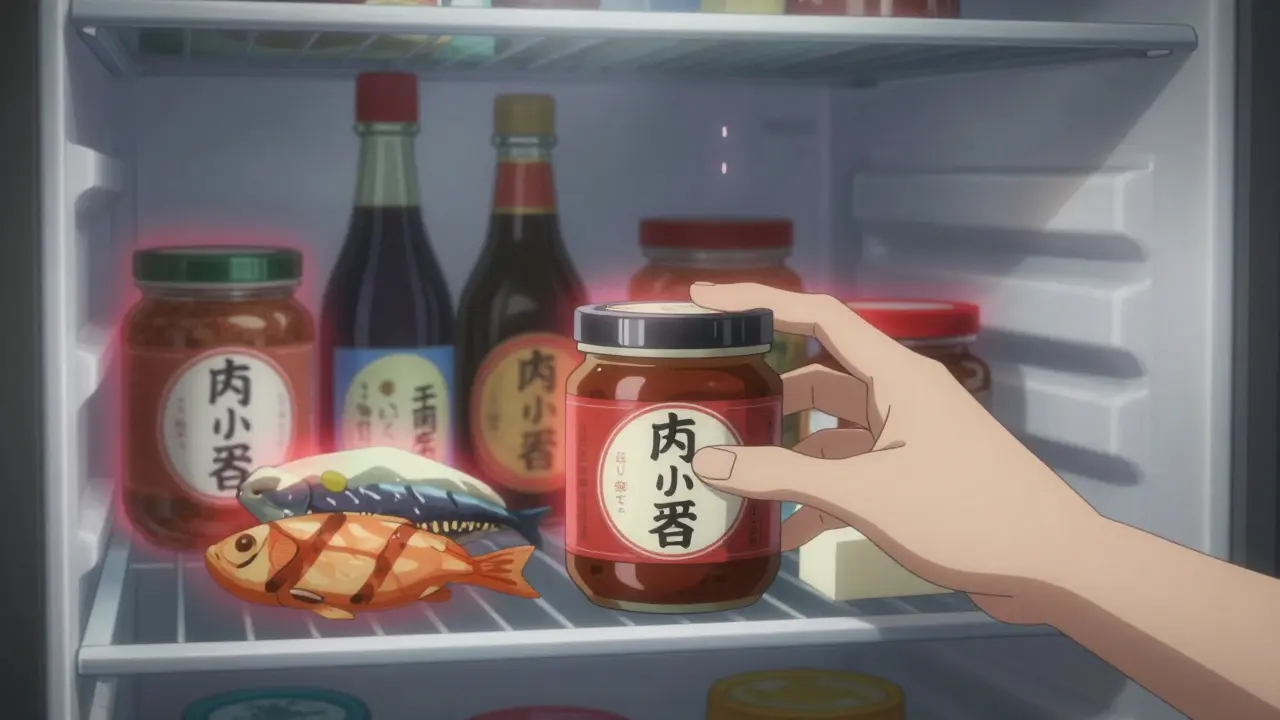
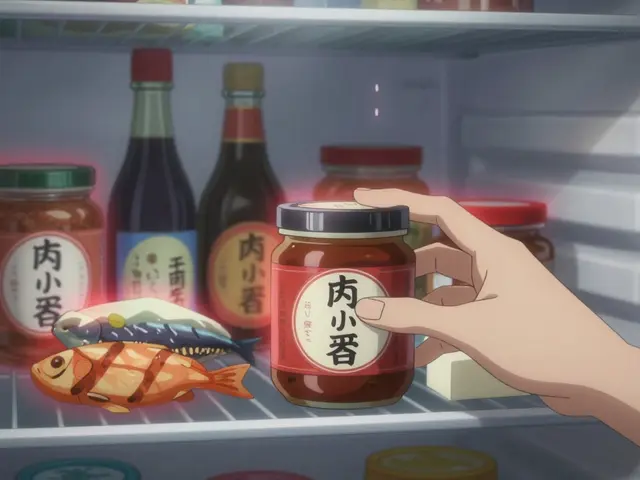
Fermented Foods and MAOIs: Tyramine Triggers Beyond Cheese
- By : Archer Hamilton
- Date : Mar 16 2026
MAOIs can save lives-but only if you avoid hidden tyramine in fermented foods. Beyond cheese, foods like soy sauce, miso, pickled veggies, and cured meats can trigger deadly blood pressure spikes. Here’s what you really need to know.
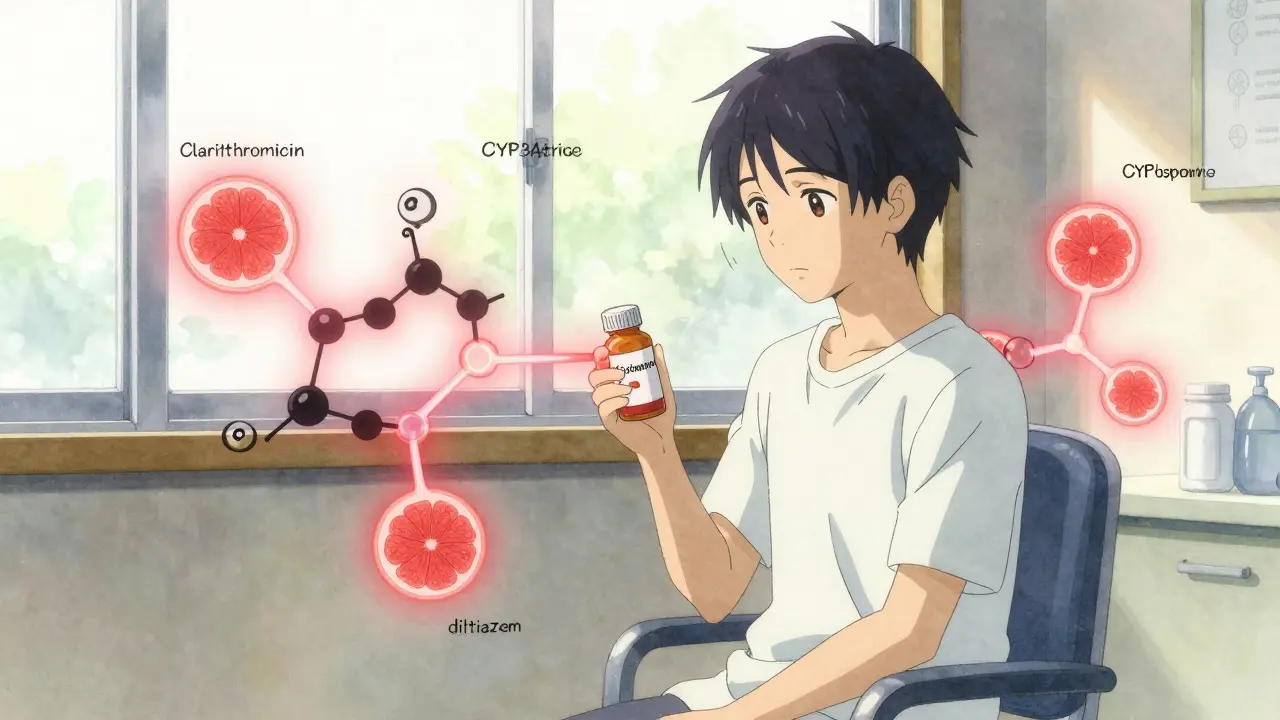
Cyclosporine and Drug Interactions: How CYP3A4 Inhibition Affects Your Medications
- By : Archer Hamilton
- Date : Mar 12 2026
Cyclosporine blocks the CYP3A4 enzyme, causing dangerous interactions with many common drugs. Learn which medications to avoid, how to stay safe, and what doctors do to prevent toxicity.
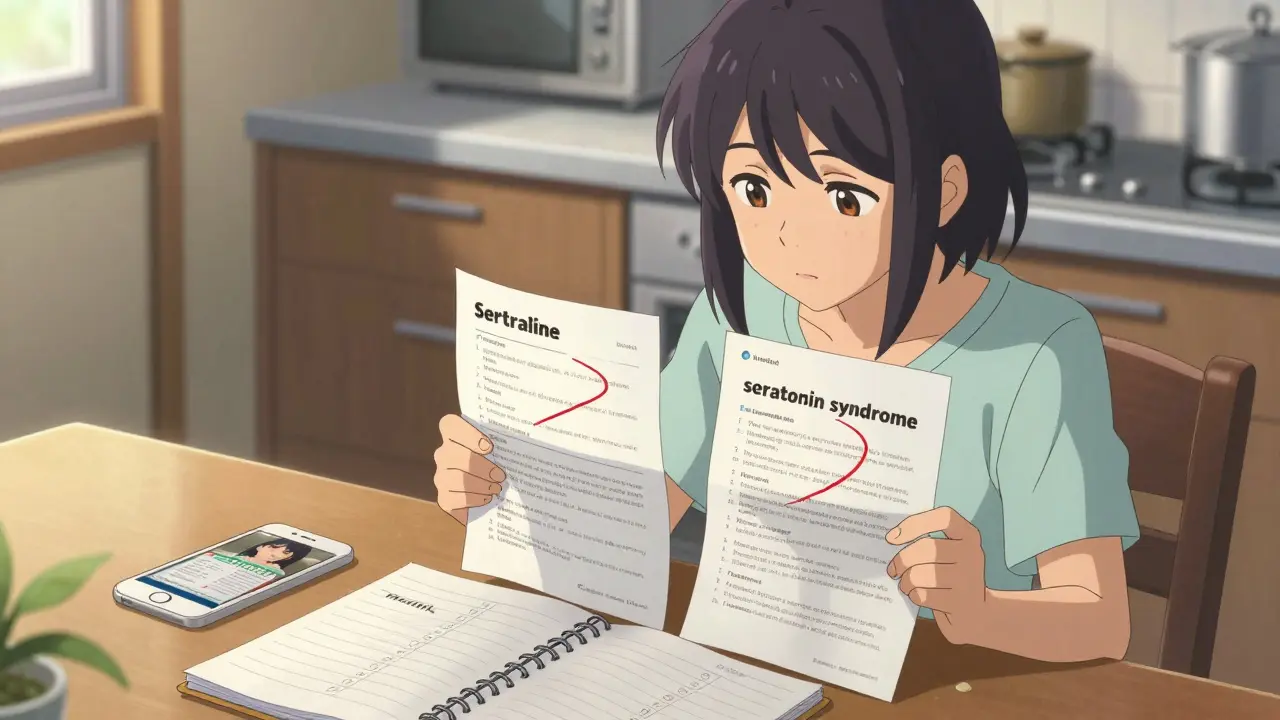
How to Read Interaction Warnings on Medication Guides
- By : Archer Hamilton
- Date : Mar 3 2026
Learn how to read interaction warnings on medication guides to avoid dangerous drug reactions. Know where to look, what the terms mean, and how to use this info to stay safe - especially with OTC meds and supplements.

Cough and Cold Medicine Safety for All Ages: What Actually Works and What to Avoid
- By : Archer Hamilton
- Date : Feb 24 2026
Many OTC cough and cold medicines don't work - especially those with phenylephrine. Learn what ingredients are useless, what's dangerous for kids, and what actually helps. Safe, science-backed alternatives for all ages.
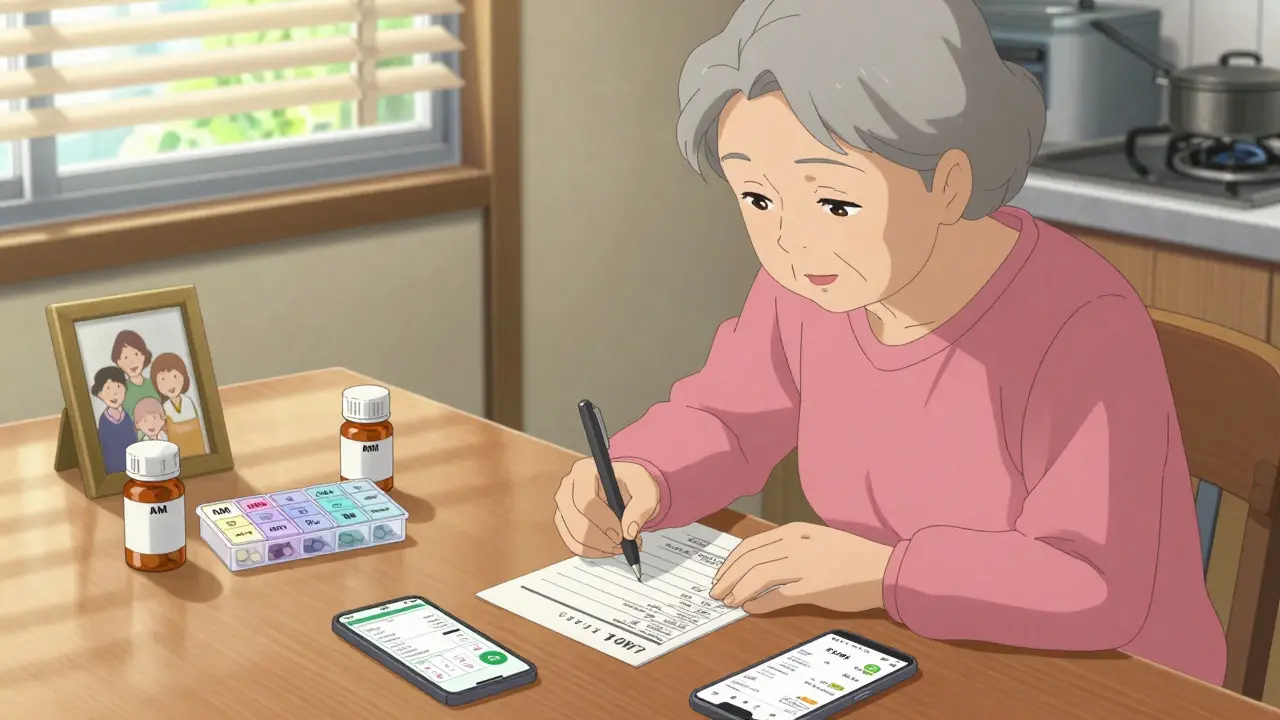
Five Medication Safety Tips for Seniors and Caregivers
- By : Archer Hamilton
- Date : Feb 17 2026
Seniors taking multiple medications face serious risks from interactions, mismanagement, and storage errors. These five evidence-based tips help prevent hospitalizations, improve adherence, and keep older adults safe at home.
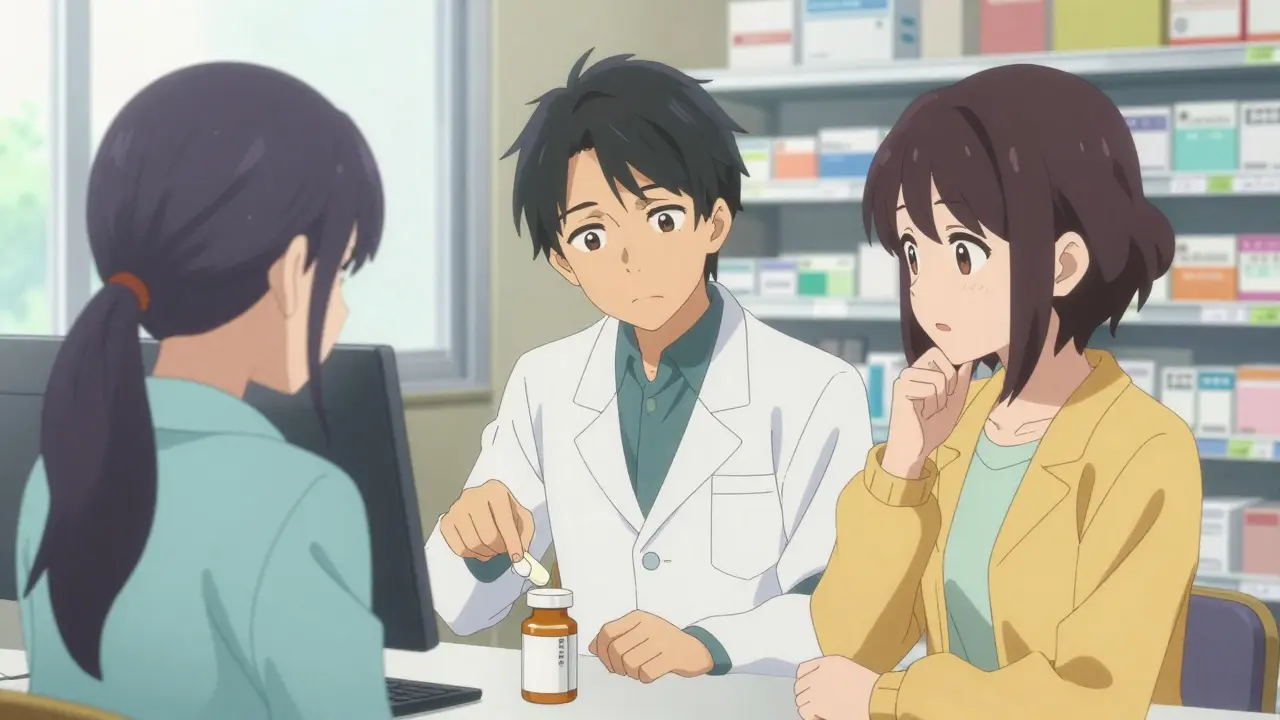
5 Critical Questions to Ask Your Pharmacist About Medication Interactions
- By : Archer Hamilton
- Date : Feb 4 2026
Learn the key questions to ask your pharmacist about medication interactions to stay safe. Avoid dangerous side effects and ensure your meds work properly with these expert tips.
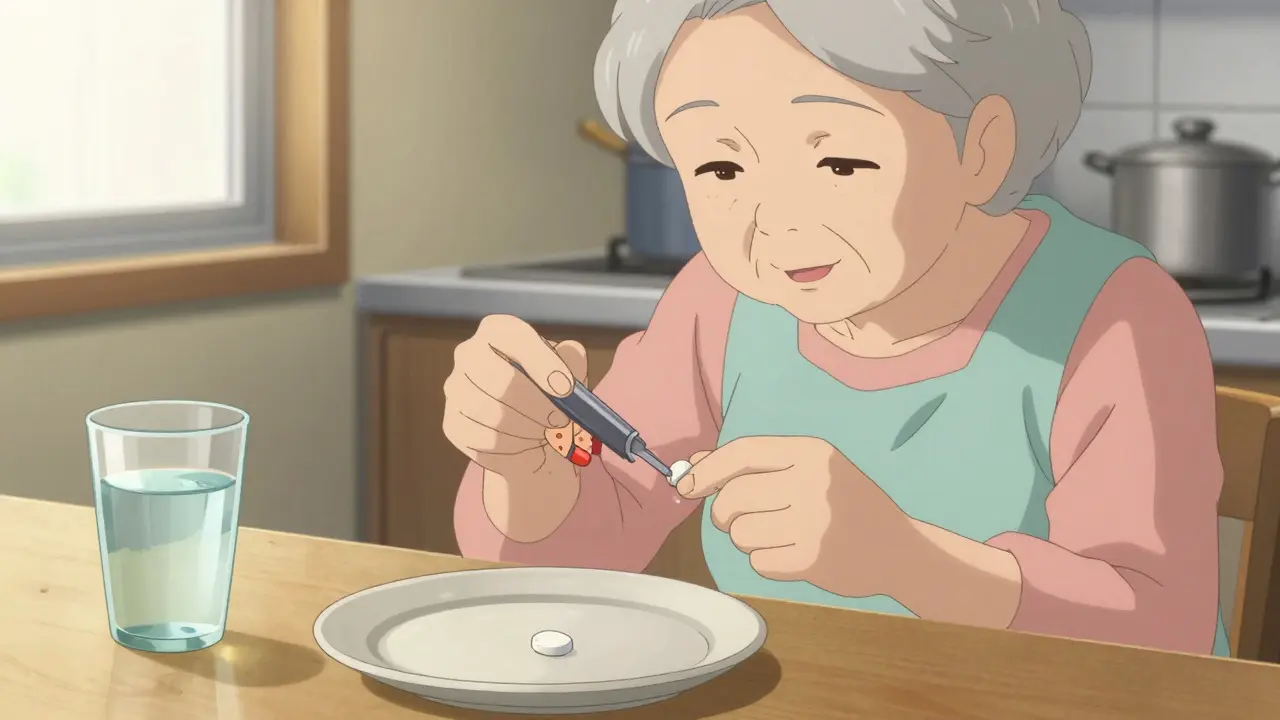
Crushing Tablets and Splitting Pills: What’s Safe and What’s Not
- By : Archer Hamilton
- Date : Jan 22 2026
Crushing or splitting pills can save money-but it can also be dangerous. Learn which medications are safe to alter, which are deadly to crush, and how to do it safely if you must.
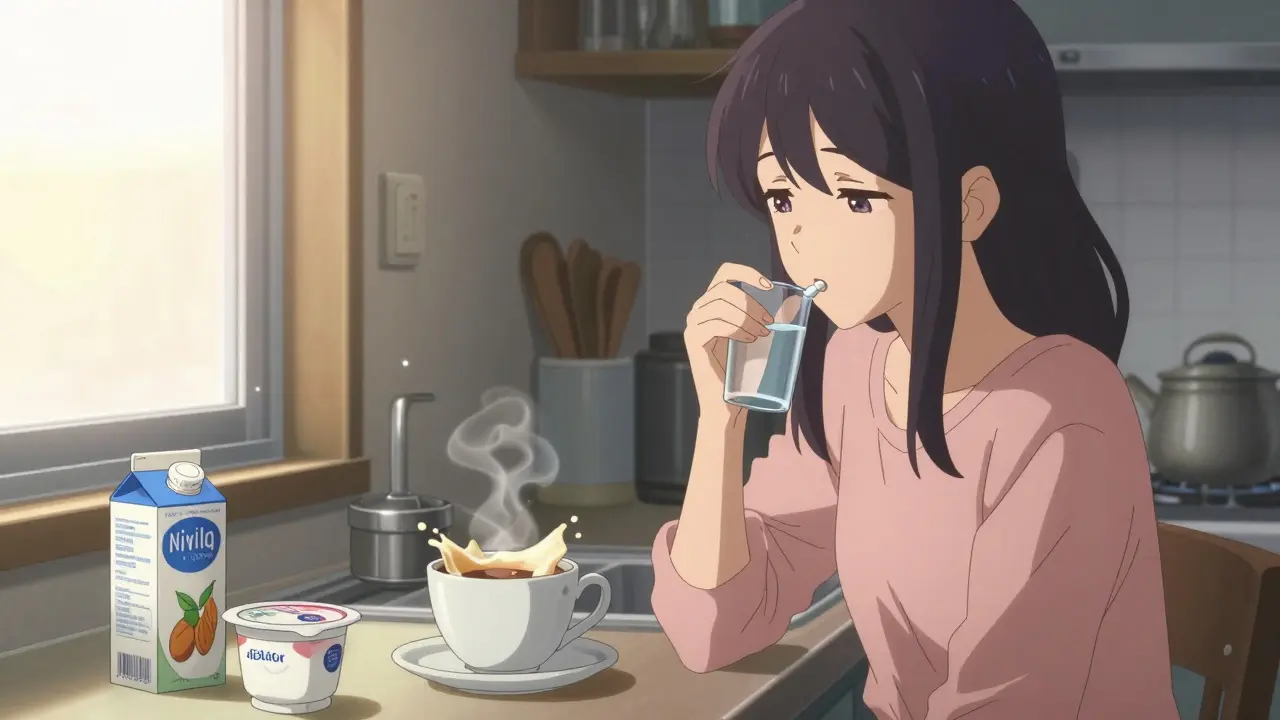
Antibiotics and Dairy: Why Timing Matters for Drug Absorption
- By : Archer Hamilton
- Date : Jan 21 2026
Dairy products like milk and yogurt can block the absorption of certain antibiotics, reducing their effectiveness. Learn which ones are affected, how long to wait, and what to do if you accidentally take them together.
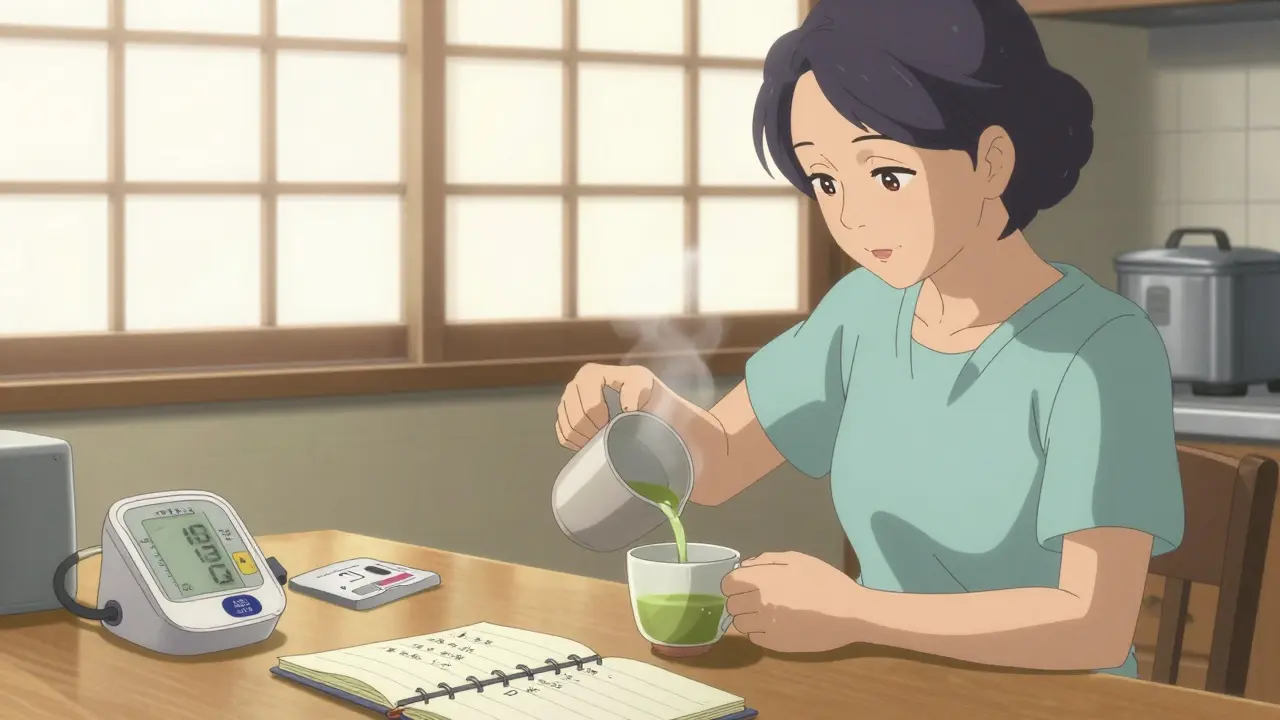
Green Tea and Warfarin: What You Need to Know About Blood Clotting and INR
- By : Archer Hamilton
- Date : Jan 20 2026
Green tea can affect warfarin's effectiveness by increasing vitamin K intake, potentially lowering INR and raising clotting risk. Learn safe consumption levels, the danger of matcha, and what to do if you're on blood thinners.
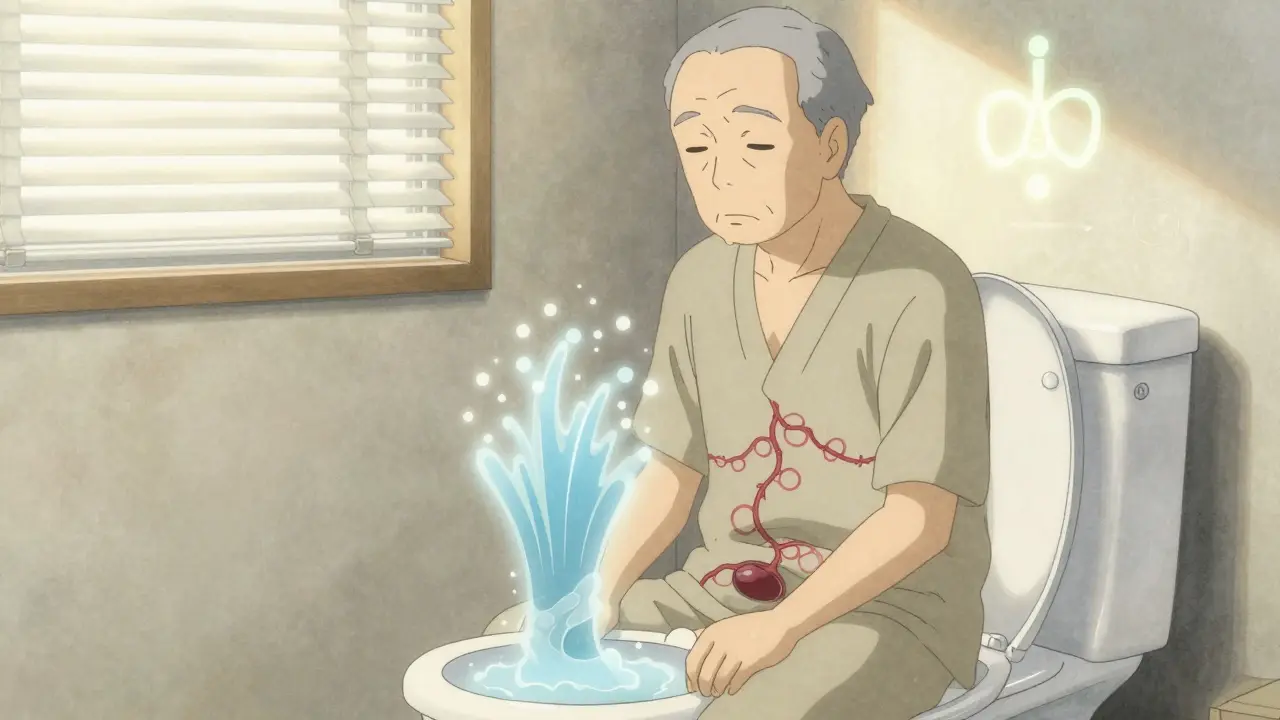
Urinary Retention from Medications: How Anticholinergics Risk Bladder Function
- By : Archer Hamilton
- Date : Jan 16 2026
Anticholinergic medications can cause dangerous urinary retention, especially in men over 65 with prostate issues. Learn how these drugs work, who’s at risk, safer alternatives, and what to do if you’re already taking them.