Category: Medication Guides - Page 2

OTC Nasal Sprays: How to Avoid Rebound Congestion and Use Them Safely
- By : Archer Hamilton
- Date : Jan 7 2026
Learn how to use OTC nasal sprays safely to avoid rebound congestion. Discover why 3 days is the limit, what to use instead, and how to break the cycle if you're already stuck.

Vitamin K Foods on Warfarin: How to Eat Consistently for Stable Blood Thinning
- By : Archer Hamilton
- Date : Jan 6 2026
Learn how to eat vitamin K foods safely on warfarin without avoiding greens. Discover why consistency beats restriction for stable INR levels and how to build a simple daily routine that works.

How to Prepare for Medication Needs during Pilgrimages and Treks
- By : Archer Hamilton
- Date : Jan 5 2026
Prepare for high-altitude pilgrimages and treks with the right medications, storage methods, and medical planning. Learn what to pack, how to avoid altitude sickness, and why skipping a doctor’s visit can be dangerous.
How Medicines Work and When They're Safe to Use
- By : Archer Hamilton
- Date : Jan 3 2026
Learn how medicines actually work in your body and why understanding their mechanism of action is the key to using them safely. Real examples, practical tips, and science-backed insights to help you avoid dangerous side effects.

Medication Safety for People with Low Vision or Hearing Loss: Practical Steps to Prevent Errors
- By : Archer Hamilton
- Date : Jan 1 2026
Medication errors are dangerously common for people with low vision or hearing loss. Learn practical, proven steps to identify pills, avoid mistakes, and demand safer labeling from pharmacies.

Physical Dependence vs Addiction: Clear Differences in Opioid Use Disorder
- By : Archer Hamilton
- Date : Dec 30 2025
Physical dependence on opioids is a normal biological response to long-term use, not addiction. Learn how to tell the difference, what each means for treatment, and why confusing them harms patients.
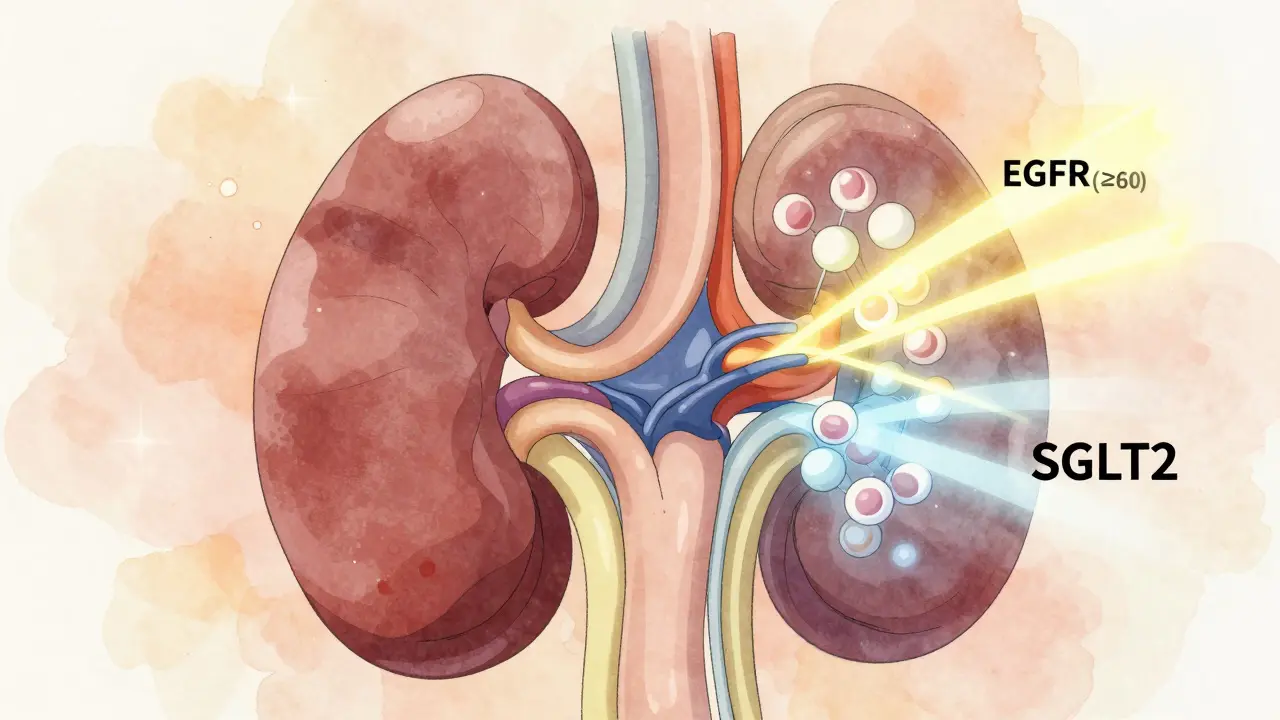
Renal Dosing for Metformin and SGLT2 Inhibitors: When to Adjust
- By : Archer Hamilton
- Date : Dec 21 2025
Learn when and how to adjust metformin and SGLT2 inhibitor doses for kidney disease. Updated guidelines show these drugs protect kidneys-even when function is low. Know the eGFR thresholds, dosing rules, and what to watch for.

DOAC Interactions with Other Medications: What You Need to Know
- By : Archer Hamilton
- Date : Dec 19 2025
DOACs like apixaban and rivaroxaban are safer than warfarin, but dangerous interactions with common medications can cause bleeding or clots. Learn which drugs to avoid, how to spot risks, and what to do if you’re on multiple meds.

Alcohol and Diabetes Medications: What You Need to Know About Hypoglycemia and Liver Risks
- By : Archer Hamilton
- Date : Dec 18 2025
Drinking alcohol while on diabetes meds can cause dangerous drops in blood sugar and harm your liver. Learn how metformin, insulin, and other medications interact with alcohol-and what steps you can take to stay safe.

Adrenal Insufficiency from Corticosteroid Withdrawal: How to Recognize and Manage It
- By : Archer Hamilton
- Date : Dec 15 2025
Stopping corticosteroids suddenly can cause adrenal insufficiency - a dangerous condition where your body can't make enough cortisol. Learn the warning signs, how to taper safely, and what to do in an emergency.