
Category: Medications - Page 3
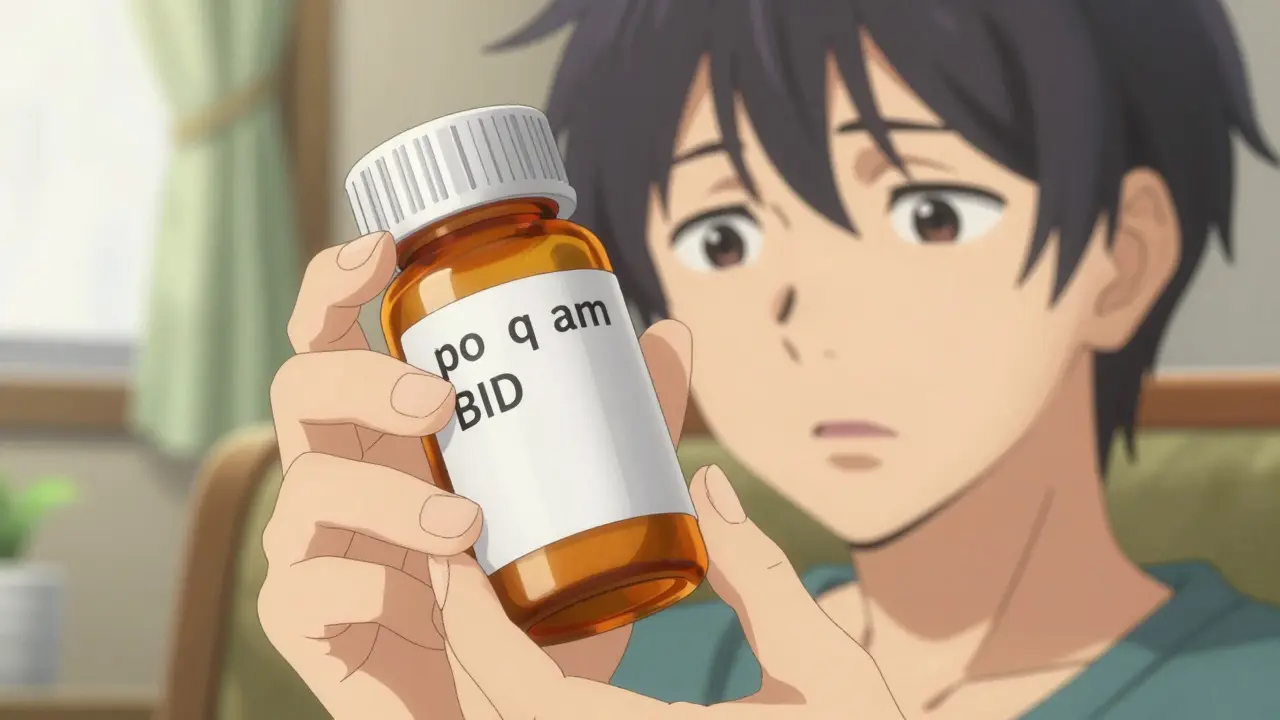
How to Get Clarification on Confusing Medication Instructions
- By : Archer Hamilton
- Date : Apr 13 2026
Stop guessing with your health. Learn how to decode confusing prescription labels, ask the right questions, and prevent dangerous medication errors.

Generic availability: differences in drug selection worldwide
- By : Archer Hamilton
- Date : Mar 26 2026
Explore global differences in generic drug availability, pricing, and safety standards. Discover how regulations in the US, Europe, and India impact what patients can access.

Continuing Education for Pharmacists: Staying Current on Generics
- By : Archer Hamilton
- Date : Mar 24 2026
Pharmacists must stay current on generics to ensure safe substitutions. With 90% of prescriptions filled with generics and complex FDA regulations, continuing education on therapeutic equivalence, biosimilars, and state laws is critical-not optional.

Insurance Appeals for Generic Medications: Step-by-Step Guide
- By : Archer Hamilton
- Date : Mar 19 2026
Learn how to successfully appeal your insurance company's decision to force a generic medication substitution. This step-by-step guide covers documentation, timelines, and real-world strategies to get your prescribed brand-name drug covered.

In Vivo vs In Vitro Bioequivalence Testing: When Each Is Used
- By : Archer Hamilton
- Date : Mar 10 2026
In vivo and in vitro bioequivalence testing are key to approving generic drugs. Learn when each method is used, their pros and cons, and how regulators decide which one to require.

How to Use Technology to Track Medication Expiration Dates
- By : Archer Hamilton
- Date : Mar 5 2026
Technology like RFID, eMAR, and mobile apps now make it easy to track medication expiration dates, prevent errors, reduce waste, and improve patient safety. Learn how hospitals and EMS teams are using these tools today.

Medications That Cause Palpitations and Rapid Heartbeat: What to Watch For
- By : Archer Hamilton
- Date : Feb 16 2026
Many common medications can cause palpitations and rapid heartbeat. Learn which drugs are most likely to trigger these symptoms, how doctors evaluate the risk, and what steps you can take to stay safe.

Citalopram and Escitalopram: QT Prolongation Risks and Dose Limits
- By : Archer Hamilton
- Date : Feb 9 2026
Citalopram and escitalopram are effective antidepressants but carry dose-dependent risks of QT prolongation, potentially leading to dangerous heart rhythms. Learn the safe dosing limits, who's at risk, and how to compare alternatives.

Statins and Antifungal Medications: Rhabdomyolysis Risk Explained
- By : Archer Hamilton
- Date : Feb 7 2026
Combining statins with certain antifungals can cause dangerous muscle breakdown. Learn which drugs are risky, how to stay safe, and what to do if you're on both.

How to Communicate Past Drug Reactions Before Surgery
- By : Archer Hamilton
- Date : Feb 3 2026
Knowing how to clearly communicate past drug reactions before surgery can prevent life-threatening complications. Learn what details to share, how to talk to your care team, and why even mild reactions matter.
Popular Posts
-

Bridelia Supplement: Boost Your Health Naturally
Sep 22 2025