Category: Medications - Page 4
Doctor Attitudes Toward Generic Drugs: What Providers Really Think
- By : Archer Hamilton
- Date : Feb 1 2026
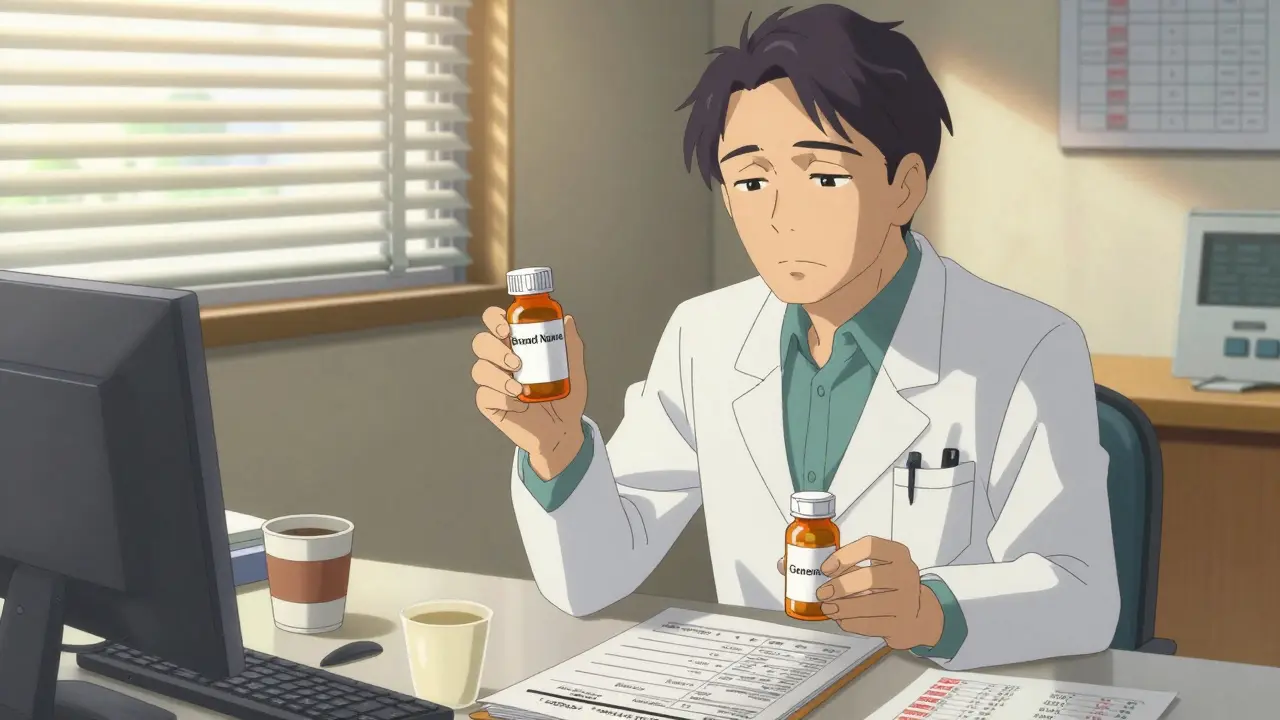
Many doctors still hesitate to prescribe generic drugs despite their proven effectiveness and cost savings. This article explores why provider attitudes vary, what influences their decisions, and how education and communication can close the trust gap.
Antiemetics and Parkinson’s Medications: Avoiding Dangerous Dopamine Interactions
- By : Archer Hamilton
- Date : Jan 31 2026
Many antiemetics worsen Parkinson’s symptoms by blocking dopamine. Learn which drugs are dangerous, which are safe, and how to avoid life-altering mistakes. Domperidone, cyclizine, and ginger are safer alternatives.
Antihistamines and Dementia Risk: What You Need to Know About Long-Term Use
- By : Archer Hamilton
- Date : Jan 28 2026
First-generation antihistamines like Benadryl may increase dementia risk in older adults due to anticholinergic effects. Second-generation options are safer. Learn what the science says and what to do instead.

Weight Loss Medications: GLP-1 Agonists vs. Older Drugs
- By : Archer Hamilton
- Date : Jan 26 2026
GLP-1 agonists like Wegovy and Zepbound offer far greater weight loss than older drugs like phentermine or orlistat, but they're expensive, require injections, and come with side effects. Learn how they compare and who benefits most.
How to Talk to Your Doctor About Generic Medications
- By : Archer Hamilton
- Date : Jan 24 2026
Learn how to confidently talk to your doctor about generic medications, understand why they work just as well as brand-name drugs, and how switching can save you money without risking your health.

QR Codes on Drug Labels: Real-Time Safety Updates
- By : Archer Hamilton
- Date : Jan 23 2026
QR codes on drug labels now deliver real-time safety updates, replacing outdated printed leaflets with dynamic, cloud-based information that helps patients and providers avoid dangerous drug interactions and recalls.

CYP450 Enzyme Interactions: How Medications Compete for Metabolism
- By : Archer Hamilton
- Date : Jan 12 2026
CYP450 enzymes metabolize 90% of medications. When drugs compete for these enzymes, levels can spike or drop dangerously. Learn how common combos like statins with antibiotics or SSRIs with beta-blockers cause real harm - and what to do about it.
Hospital Formularies: How Systems Choose Generic Drugs
- By : Archer Hamilton
- Date : Jan 10 2026
Hospital formularies use a strict, evidence-based process to select generic drugs that are safe, effective, and cost-efficient. Learn how P&T committees evaluate bioequivalence, clinical data, and total care costs to make decisions that impact patient care and hospital budgets.
Black Box Warnings: What You Need to Know About the FDA’s Strongest Drug Safety Alerts
- By : Archer Hamilton
- Date : Jan 9 2026
Black box warnings are the FDA's strongest safety alerts for prescription drugs, signaling risks of death or serious injury. Learn what they mean, how they're decided, and what to do if your medication has one.
How Multiple Generic Drug Competitors Enter After the First Market Entrant
- By : Archer Hamilton
- Date : Dec 24 2025
After the first generic enters the market, prices crash-but not all at once. Multiple competitors trigger dramatic price drops, authorized generics disrupt the first mover, and manufacturing bottlenecks cause shortages. Here's how the race really works.