Medications – Your Quick Guide to Alternatives, Deals & Safe Buying
If you’re scrolling through endless drug info, you’ve landed in the right spot. This page rolls up the most useful stuff about medications, from cheap alternatives to safe ways to buy prescription pills online. We keep it short, clear, and practical – no jargon, no fluff.
Top Alternatives for Common Drugs
Sometimes the brand name you know isn’t the only game in town. Want a cheaper option for asthma? Montelukast works well, but you can also check generic leukotriene blockers that cost less. Looking at fertility meds? While Clomid is popular, alternatives like letrozole or natural supplements such as Black Cohosh can do the trick, depending on your doctor’s advice.
Got a worm infection? Mebendazole is the go‑to, yet piperazine offers a low‑cost backup if you need it. For bacterial infections, Zithromax (azithromycin) isn’t always the best choice – antibiotics like Keflex (cephalexin) or doxycycline can be just as effective with a different side‑effect profile.
Depression meds? Not everyone tolerates Wellbutrin SR. Switching to Celexa or another SSRI may give you similar mood lift with fewer side effects. And if you’re on a diuretic like Lasix for edema, consider torsemide or bumetanide – they often work at lower doses and might cause fewer electrolyte swings.
Each alternative has pros and cons, so talk to a pharmacist or doctor before swapping. Knowing the options helps you avoid surprise costs and unwanted reactions.
How to Buy Prescription Meds Online Safely
Buying meds online feels risky, but you can protect yourself with a few simple steps. First, look for pharmacies that require a valid prescription – if they skip that, walk away. Check for a physical address and a US‑based pharmacy license; you can verify the license on the state’s board of pharmacy website.
Next, compare prices on a handful of reputable sites. Many online stores list the same drug at different prices, so a quick scan can save you 20‑30 % or more. Watch out for hidden fees – shipping, handling, and pharmacy processing can add up.
Read user reviews, but take them with a grain of salt. If a site has a flood of five‑star reviews that sound copied, that’s a red flag. Trusted sites usually have a mix of feedback and clear customer service contact info.
Finally, never share your credit card info over unsecured links. Look for “https://” in the web address and a padlock icon. If anything feels off, close the tab and try a different pharmacy.
By following these rules, you can snag the medication you need without exposing yourself to scams or unsafe products.
Our Medications hub updates regularly, so you’ll always find fresh tips, the latest drug alternatives, and real‑world buying advice. Bookmark this page, check back often, and feel confident the next time you need a prescription or want to explore a cheaper option.
Insurance Appeals for Generic Medications: Step-by-Step Guide
- By : Archer Hamilton
- Date : Mar 19 2026
Learn how to successfully appeal your insurance company's decision to force a generic medication substitution. This step-by-step guide covers documentation, timelines, and real-world strategies to get your prescribed brand-name drug covered.

In Vivo vs In Vitro Bioequivalence Testing: When Each Is Used
- By : Archer Hamilton
- Date : Mar 10 2026
In vivo and in vitro bioequivalence testing are key to approving generic drugs. Learn when each method is used, their pros and cons, and how regulators decide which one to require.
How to Use Technology to Track Medication Expiration Dates
- By : Archer Hamilton
- Date : Mar 5 2026
Technology like RFID, eMAR, and mobile apps now make it easy to track medication expiration dates, prevent errors, reduce waste, and improve patient safety. Learn how hospitals and EMS teams are using these tools today.
Medications That Cause Palpitations and Rapid Heartbeat: What to Watch For
- By : Archer Hamilton
- Date : Feb 16 2026
Many common medications can cause palpitations and rapid heartbeat. Learn which drugs are most likely to trigger these symptoms, how doctors evaluate the risk, and what steps you can take to stay safe.

Citalopram and Escitalopram: QT Prolongation Risks and Dose Limits
- By : Archer Hamilton
- Date : Feb 9 2026
Citalopram and escitalopram are effective antidepressants but carry dose-dependent risks of QT prolongation, potentially leading to dangerous heart rhythms. Learn the safe dosing limits, who's at risk, and how to compare alternatives.

Statins and Antifungal Medications: Rhabdomyolysis Risk Explained
- By : Archer Hamilton
- Date : Feb 7 2026
Combining statins with certain antifungals can cause dangerous muscle breakdown. Learn which drugs are risky, how to stay safe, and what to do if you're on both.
How to Communicate Past Drug Reactions Before Surgery
- By : Archer Hamilton
- Date : Feb 3 2026
Knowing how to clearly communicate past drug reactions before surgery can prevent life-threatening complications. Learn what details to share, how to talk to your care team, and why even mild reactions matter.
Doctor Attitudes Toward Generic Drugs: What Providers Really Think
- By : Archer Hamilton
- Date : Feb 1 2026
Many doctors still hesitate to prescribe generic drugs despite their proven effectiveness and cost savings. This article explores why provider attitudes vary, what influences their decisions, and how education and communication can close the trust gap.
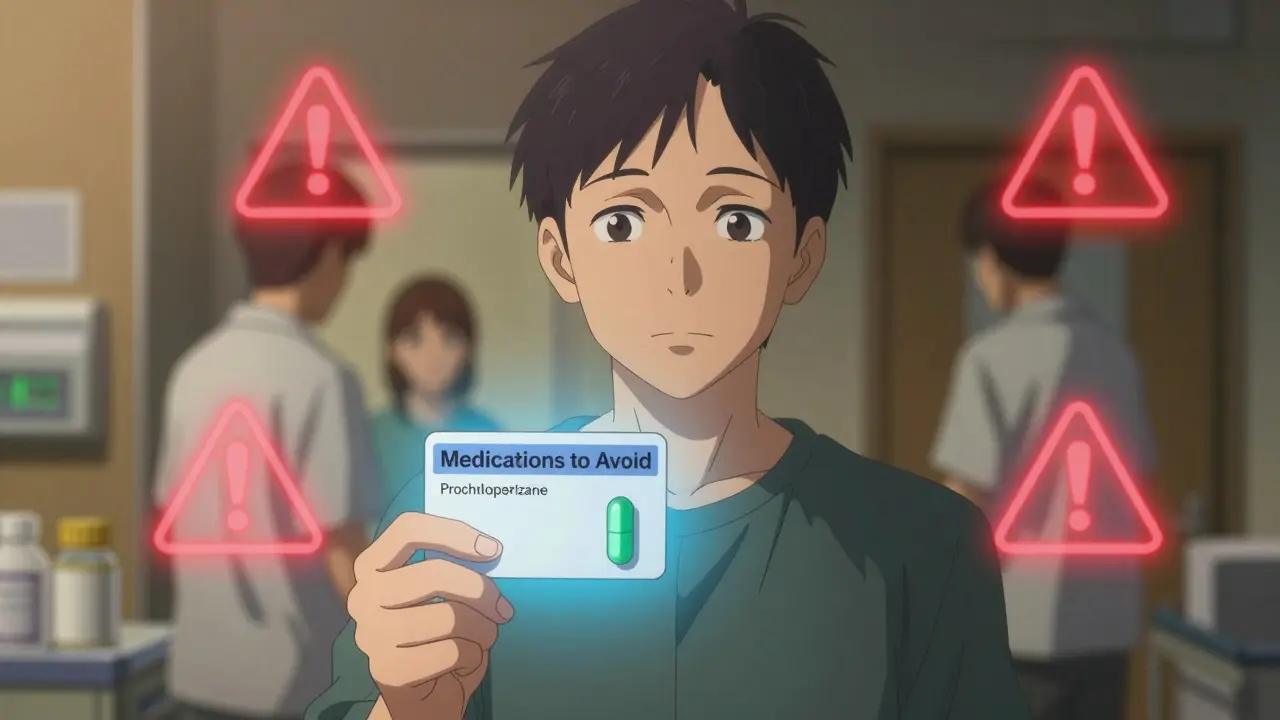
Antiemetics and Parkinson’s Medications: Avoiding Dangerous Dopamine Interactions
- By : Archer Hamilton
- Date : Jan 31 2026
Many antiemetics worsen Parkinson’s symptoms by blocking dopamine. Learn which drugs are dangerous, which are safe, and how to avoid life-altering mistakes. Domperidone, cyclizine, and ginger are safer alternatives.
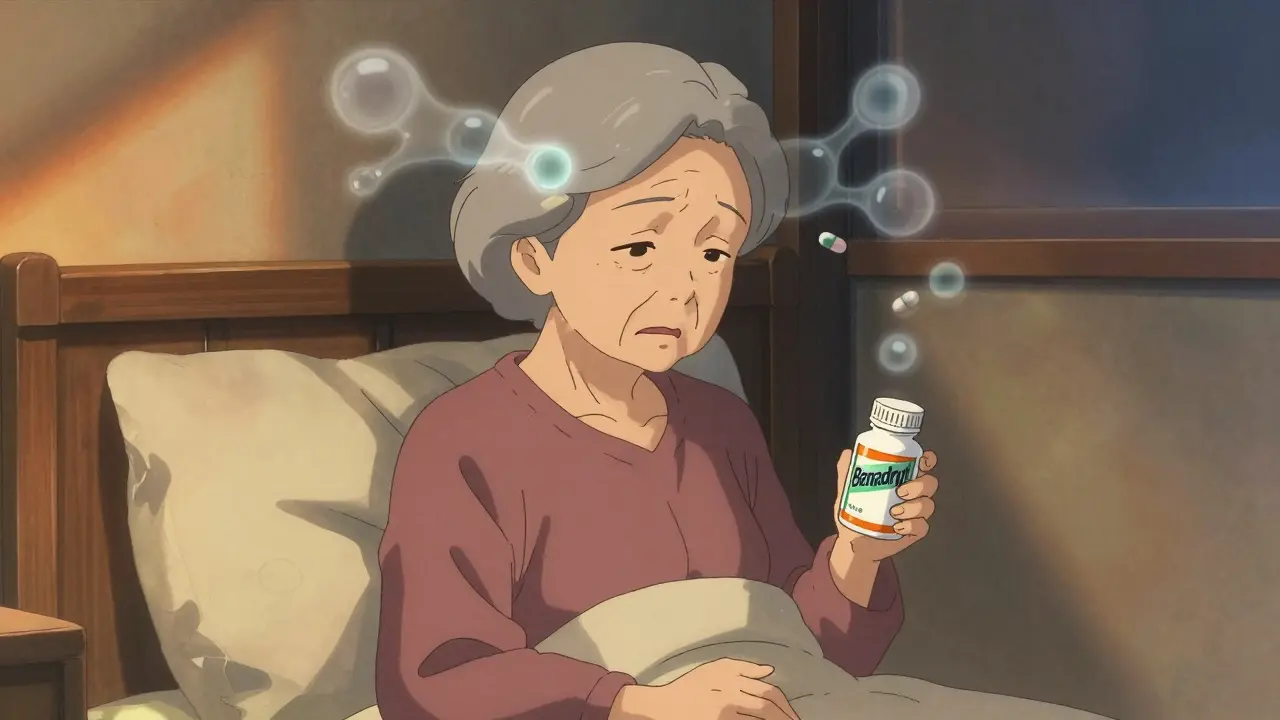
Antihistamines and Dementia Risk: What You Need to Know About Long-Term Use
- By : Archer Hamilton
- Date : Jan 28 2026
First-generation antihistamines like Benadryl may increase dementia risk in older adults due to anticholinergic effects. Second-generation options are safer. Learn what the science says and what to do instead.